Electronics Industry Profit Surges 103.9%: AI Drives High-End Chip Demand Boom
📖 Glossary
AI Box (also known as Agent Computer / Agent PC), is a dedicated local hardware device that runs AI Agents. Pre-installed with an AI agent management system, plug-and-play, running 24/7. Users can remotely command AI to work via Discord, Slack, Telegram, WhatsApp, and more.
Abstract: National Bureau of Statistics data shows electronics industry profits grew 103.9% year-over-year in January-May 2026, far outpacing all other manufacturing sectors. AI model training and inference demand has driven a surge in high-end computing chip shipments, benefiting the entire supply chain from wafer foundries to terminal devices. AI hardware has moved from concept to mass production, and the赛道 landscape is confirmed.
The National Bureau of Statistics' latest data shows that electronics industry profits grew 103.9% year-over-year in January-May 2026. This figure leads all manufacturing categories by a wide margin — for comparison, automobile manufacturing profit grew 12.3%, and general equipment manufacturing grew 8.7%.
Behind the doubling growth, AI is the biggest driver.
Where Profits Come From: Three Segments Cashing In
The electronics supply chain is long, from upstream wafer foundries to downstream terminal devices. This profit surge is concentrated in three segments.
Segment One: Wafer Foundries at Full Capacity
AI chip demand for advanced processes is concentrated at 7nm and below nodes. TSMC and Samsung's advanced process utilization rates remain above 95%, with some nodes booked through 2027. Advanced processes have significantly higher gross margins than mature processes, so foundries captured the largest share of this dividend.
In China, SMIC's N+2 process yield continues to improve and has secured orders for some AI chip mass production. While still behind TSMC, capacity utilization is climbing rapidly under domestic substitution demand.
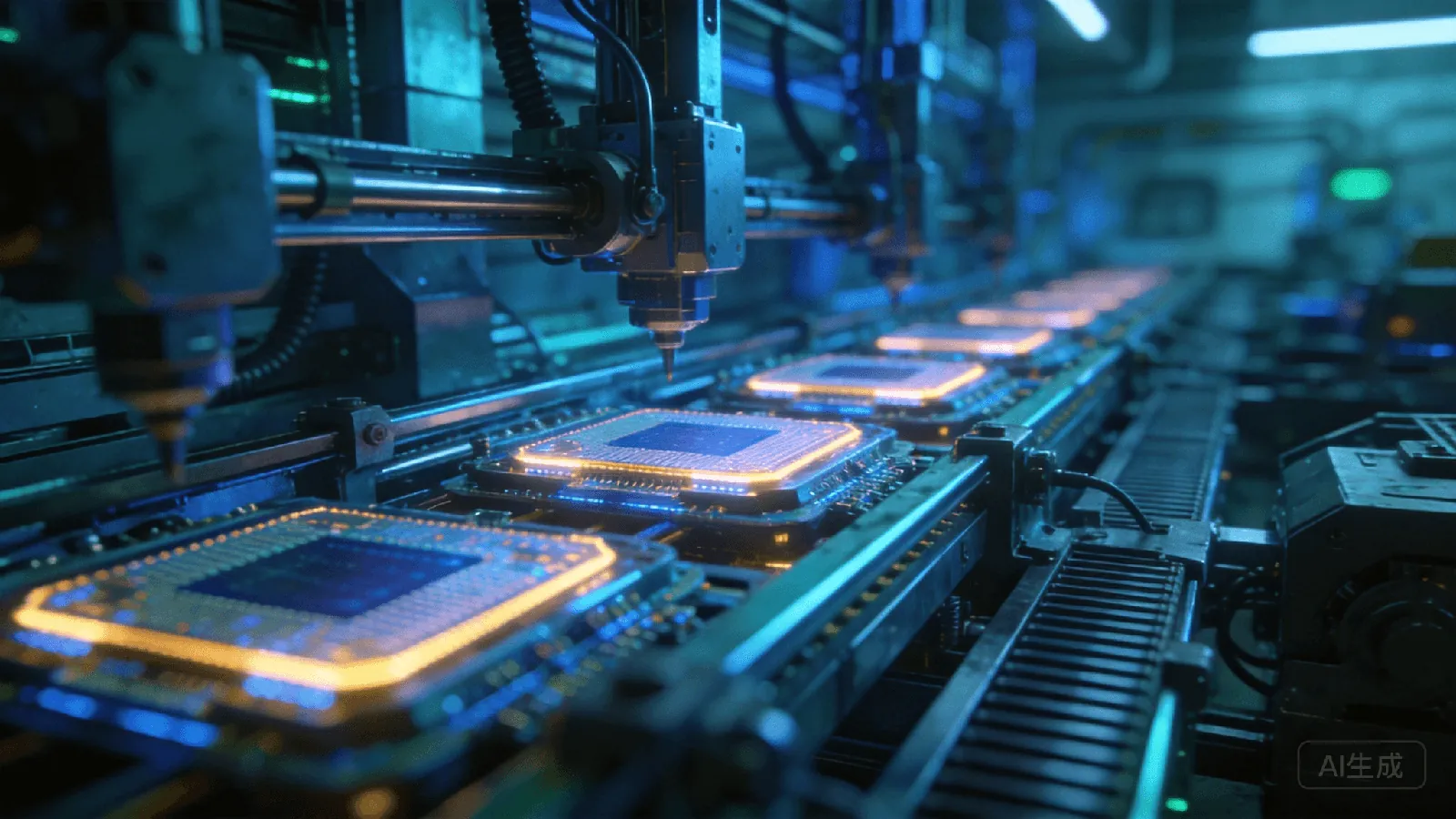
Segment Two: High-End Computing Chip Shipments Surge
Nvidia's H-series and B-series GPUs remain essential for AI training, with supply unable to meet demand. But the shift is in inference chips — as large models move from training to deployment, inference compute demand has begun exceeding training. Cloud providers' self-developed inference chips (Google TPU, Amazon Inferentia, Microsoft Maia) are seeing rapidly growing shipments, driving the entire chip supply chain.
Segment Three: Terminal Device AI Upgrades
This segment is the most easily overlooked but has the largest volume. Phones, PCs, and wearables are all adding AI features, each requiring dedicated NPUs or AI acceleration units. Qualcomm Snapdragon 8 Gen4's NPU computing power increased 70% over the previous generation, with MediaTek Dimensity 9500 close behind. AI functionality is becoming the core selling point for consumer electronics, driving both replacement cycles and average selling prices higher.
Data Breakdown: The Structure of 103.9% Growth
Examining the detailed National Bureau of Statistics data, the 103.9% growth is not evenly distributed:
- Integrated circuit manufacturing profit grew fastest, exceeding 150% year-over-year
- Electronic component manufacturing grew about 80%
- Terminal device manufacturing (phones, computers, etc.) grew about 45%
- Consumer electronics retail grew about 30%
The further upstream, the faster the growth, indicating that AI hardware is still in the infrastructure construction phase — building compute capacity first, then applications. Upstream captures the largest profit share because AI chip gross margins are inherently higher than terminal products.
What This Means for the AI Hardware Track
The profit data confirms one thing: AI hardware is not a concept, it's real money already delivered.
Over the past two years, there's been much debate about whether AI hardware is a bubble. The 103.9% profit growth provides a hard-data answer — at least in the upstream supply chain, AI is already creating substantial economic value.
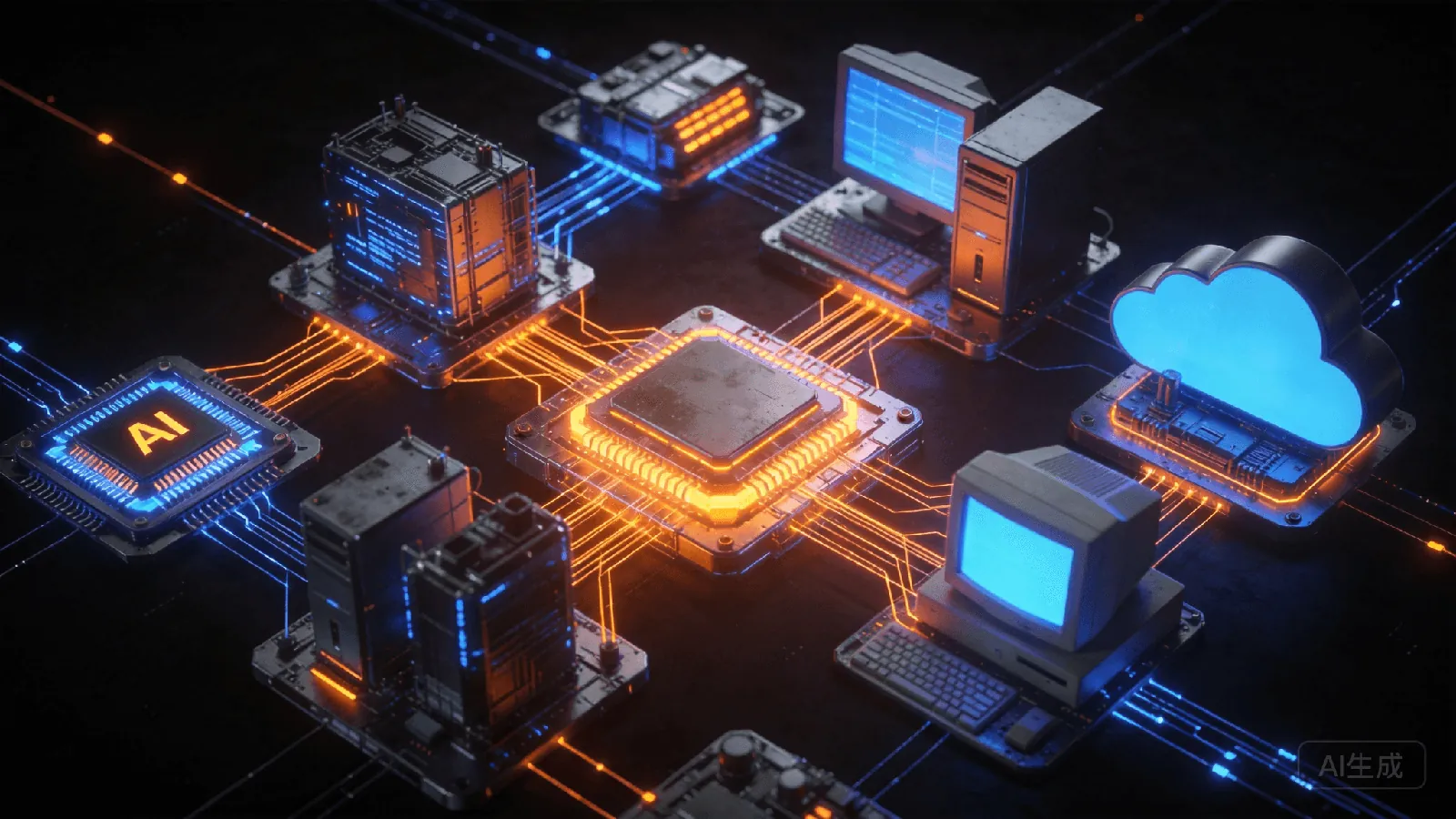
Kaihe AIBOX sits in the terminal device segment of the supply chain. Unlike phones adding NPUs, AI Box is hardware specifically designed to run AI Agents — 24/7 online, edge-cloud collaboration, pre-installed with OpenClaw and other Agent frameworks. This product category is just emerging, but as Agent applications move from demos to production, demand for dedicated hardware will gradually release.
Domestic Computing Power's Opportunity Window
Behind the profit data is another signal: domestic AI chip makers are accelerating their catch-up.
Under advanced process restrictions, Chinese chip makers have taken two paths: first, mature processes plus advanced packaging (like chiplet technology), using packaging density to compensate for single-chip performance gaps; second, specialized architecture design, optimizing for inference scenarios without pursuing generality.
Huawei Ascend, Cambricon, and Enflame are expected to double shipments in 2026. While the total volume gap with Nvidia remains large, in sectors sensitive to supply chain security like government and finance, domestic chip penetration is rising rapidly.
Risk Warning
Profit booms don't mean no risks. The electronics industry is highly cyclical — the last chip shortage in 2023 quickly turned into inventory accumulation. Current AI chip demand is strong, but major manufacturers are expanding aggressively. If AI application growth falls short of expectations, a supply-demand reversal could occur in 2027-2028.
Additionally, geopolitical risks persist. Export controls on advanced process equipment and materials may tighten further, constraining domestic manufacturers' expansion pace.
Further Reading
- Kaihe AIBOX-A1 Product Details — Local AI Agent Computer with edge-cloud architecture
- Kaihe AIBOX Store — Full lineup of Agent Computers, starting at $139
- More AI Frontier Articles — AI hardware, computing chips, and Agent Computer deep dives
-#KaiheAIBOX #AIHardware #AIBOX #AIChip #AIAgent
Kaihe AIBOX | The Agent Computer That Works 7×24 for You · AI Agent