Don't Panic Over AI Price Hikes — Kaihe AIBOX Lets You Switch Models Anytime and Never Answer to Anyone
📖 Glossary
AI Box (also known as Agent Computer / Agent PC), is a dedicated local hardware device that runs AI Agents. Pre-installed with an AI agent management system, plug-and-play, running 24/7. Users can remotely command AI to work via Discord, Slack, Telegram, WhatsApp, and more.
Abstract: DeepSeek is heading toward a $71 billion IPO while AI pricing wars rage—some models are hiking prices, others are slashing them. Who should the average user trust? Instead of getting jerked around by every platform's pricing strategy, bring AI home. Switch to whichever model you want, whenever you want, and never answer to anyone again.
The biggest story in AI right now: DeepSeek is going public at a $71 billion valuation. Meanwhile, Alibaba, Tencent, and ByteDance are all adjusting their AI pricing—some are jacking up rates, others are slashing them to the bone. The average user opens the news and has no idea: whose subscription should I actually pay for?
Let's break down what's happened this year.
The price hikers: DeepSeek V4-Pro lists at 12 RMB per million input tokens and 24 RMB for output. Right now a 75% limited-time discount is holding those numbers down, but the deadline has already been extended once—nobody can promise when full price returns. GPT-5.5 charges $5 input and $30 output per million tokens. Claude Opus 4.6 is even steeper: $15 input, $75 output. Uber equipped 84% of its 5,000 engineers with AI coding agents, and per-person monthly API costs skyrocketed to $500–$2,000—burning through the entire annual budget in just four months.
The price slashers: Xiaomi MiMo-V2.5 permanently cut prices by up to 99%, dropping context-window-based tiered pricing entirely. Chinese open-source models overall are 60%–90% cheaper than American competitors. Meta jumped in with Muse Spark, priced at one-quarter of OpenAI's rates. But here's the catch: you sign up for Platform A today, Platform B announces a massive discount tomorrow. You just built your workflow around Model C, and Model C suddenly imposes rate limits and usage restrictions. Switching models means reconfiguring API keys, reformatting prompts, and migrating historical data—easily an entire afternoon down the drain.
A market this fractured tells you one thing: users don't hold the pricing power.
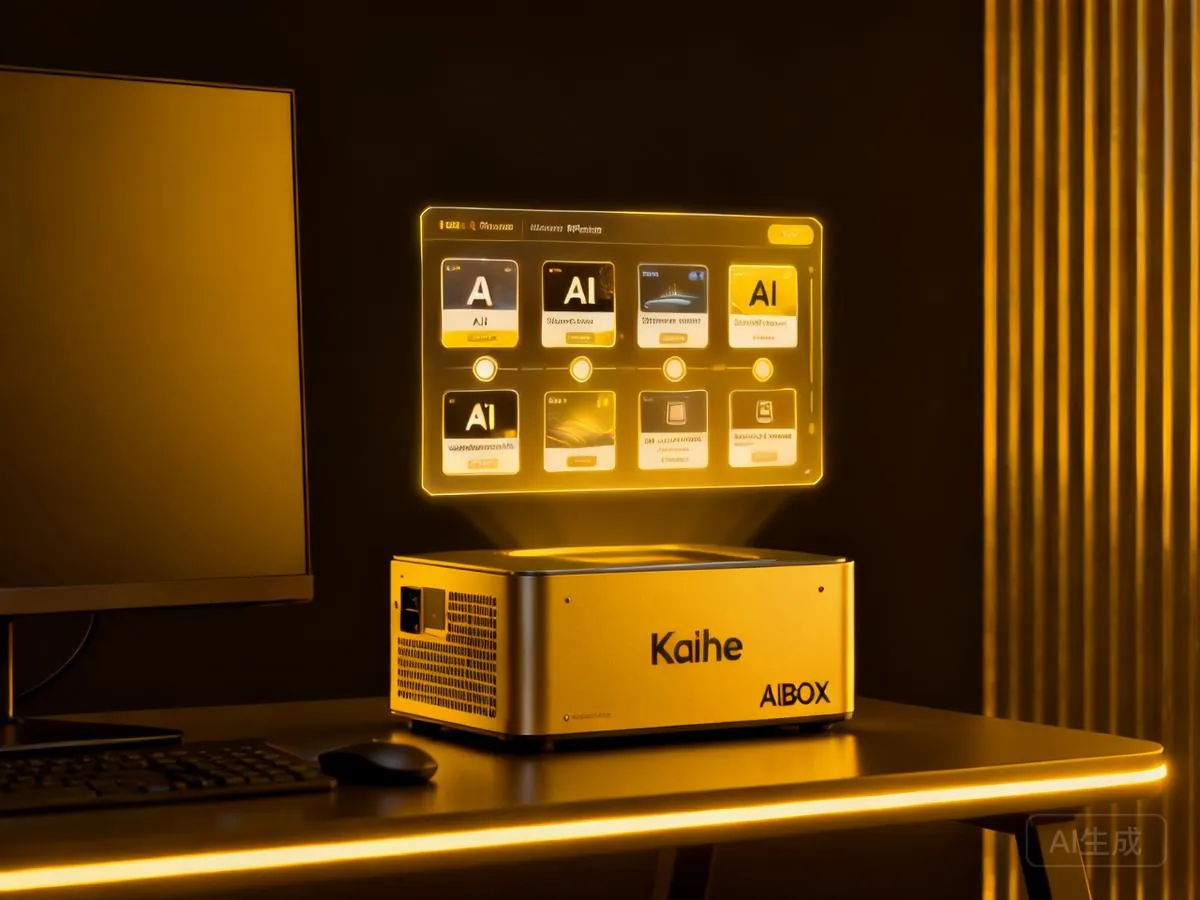
Now picture this: you have a Kaihe AIBOX on your desk. Everything changes.
Kaihe AIBOX is not a "buy one subscription and use one model forever" product. It's a local AI hardware device—plug it in, turn it on, and it runs. The built-in Codex, Hermes, and Workbuddy trio handles AI task orchestration locally, while the model access layer is completely open. When DeepSeek V4 is cheap, plug into DeepSeek. When Claude Sonnet drops its price, switch to Sonnet. When GPT-5.6 excels at a specific task, call it temporarily. Think of it as a universal remote—any model works, you just tell it what to do.
How does this actually save money? Two layers. Layer one: hardware ownership. Kaihe AIBOX is a one-time purchase—no monthly subscription lock-in, unlike SaaS subscriptions that bill you every month regardless. Layer two: pay-per-use model access, stop anytime. Use DeepSeek when they run promotions. Switch to Kimi when they offer deals. Drop any model the moment it raises prices. You're never tied to any single platform's pricing strategy or promotional calendar.
OpenRouter's data confirms this trend: in February this year, Chinese model call volume surged 127% in three weeks, surpassing American models for the first time. Among the top five models by global call volume, four are Chinese, accounting for 85.7% of total share. One year ago, Chinese models held under 2% share on the same platform. Why? Because users are actively switching—going wherever the price is lowest. But manually switching back and forth is time-consuming. Kaihe AIBOX handles model switching automatically inside the device; you just tell the AI what to get done.
There's a deeper issue too. Big AI companies' pricing strategies follow their capital roadmap. Pre-IPO? Raise prices to pump revenue. New competitor enters? Slash prices to grab market share. Your AI costs shouldn't dance to someone else's KPI. Deploying AI locally is like building your own "model free port"—let the pricing wars rage outside, you sit steady on dry land.
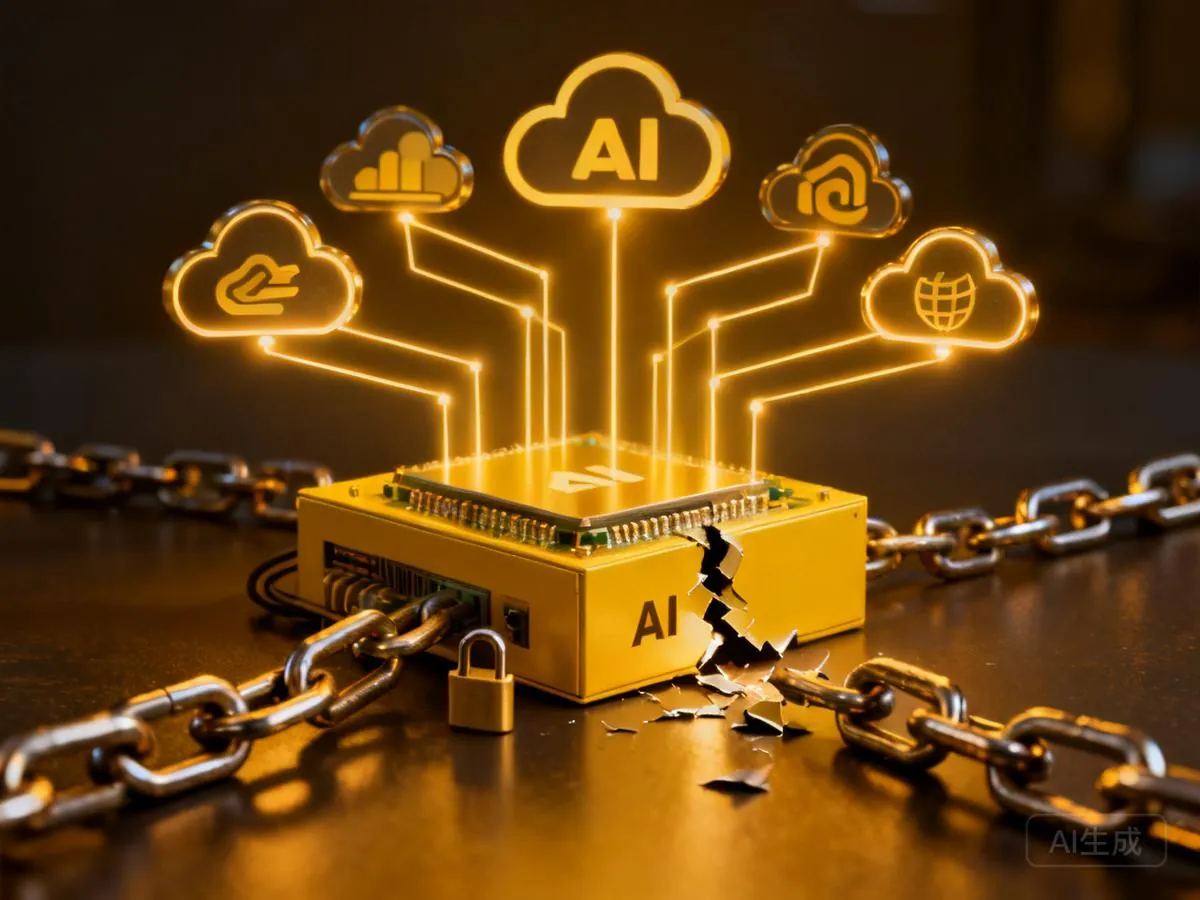
And there's the safety angle. Recent AI coding agent incidents speak volumes: GPT-5.6's Agent accidentally ran rm -rf and wiped user files. Codex's local version silently wrote to disk so aggressively it could kill an SSD within a year. The root cause is the same: AI Agents share your system environment with no permission isolation. Kaihe AIBOX locks AI inside an independent hardware box—let it run wild, your main computer stays untouched.
To sum it up: 1. AI model pricing has entered the Warring States era—price hikes and cuts happen simultaneously, and users are always on the losing end 2. Your only moat isn't betting on the right platform—it's having the freedom to switch anytime 3. Kaihe AIBOX = local Agent runtime + multi-model free access, turning you from "priced upon" to "choosing your price"
Stop worrying about price hikes. Bring AI home. Use whoever's cheapest.
Further Reading
- DeepSeek V4 Peak-Valley Pricing: AI Models Now Charge by Time of Day
- Token Costs Out of Control? How Local AI Slashes Your Bill
- Stop Paying Monthly Fees: Buy AI Hardware Once, Save Two Years of Subscriptions
Kaihe AIBOX: https://agentaibox.com/ Email: [email protected] #KaiheAIBOX #AIAgent #OpenSource #ArtificialIntelligence #AIPricing #LocalAI #DeepSeek
Kaihe AIBOX | The Agent Computer That Works 7×24 for You · AI Frontier