ByteDance Bets ¥200 Billion on AI: Who Can Afford to Compete?
📖 Glossary
AI Box (also known as Agent Computer / Agent PC), is a dedicated local hardware device that runs AI Agents. Pre-installed with an AI agent management system, plug-and-play, running 24/7. Users can remotely command AI to work via Discord, Slack, Telegram, WhatsApp, and more.
South China Morning Post confirmed: ByteDance has raised its 2026 AI infrastructure capex from ¥160 billion to ¥200 billion — a 25% increase, equivalent to burning ¥548 million daily on AI alone. ¥85 billion on chips, ¥75 billion on data centers, and half of annual profits going all-in on a single bet.
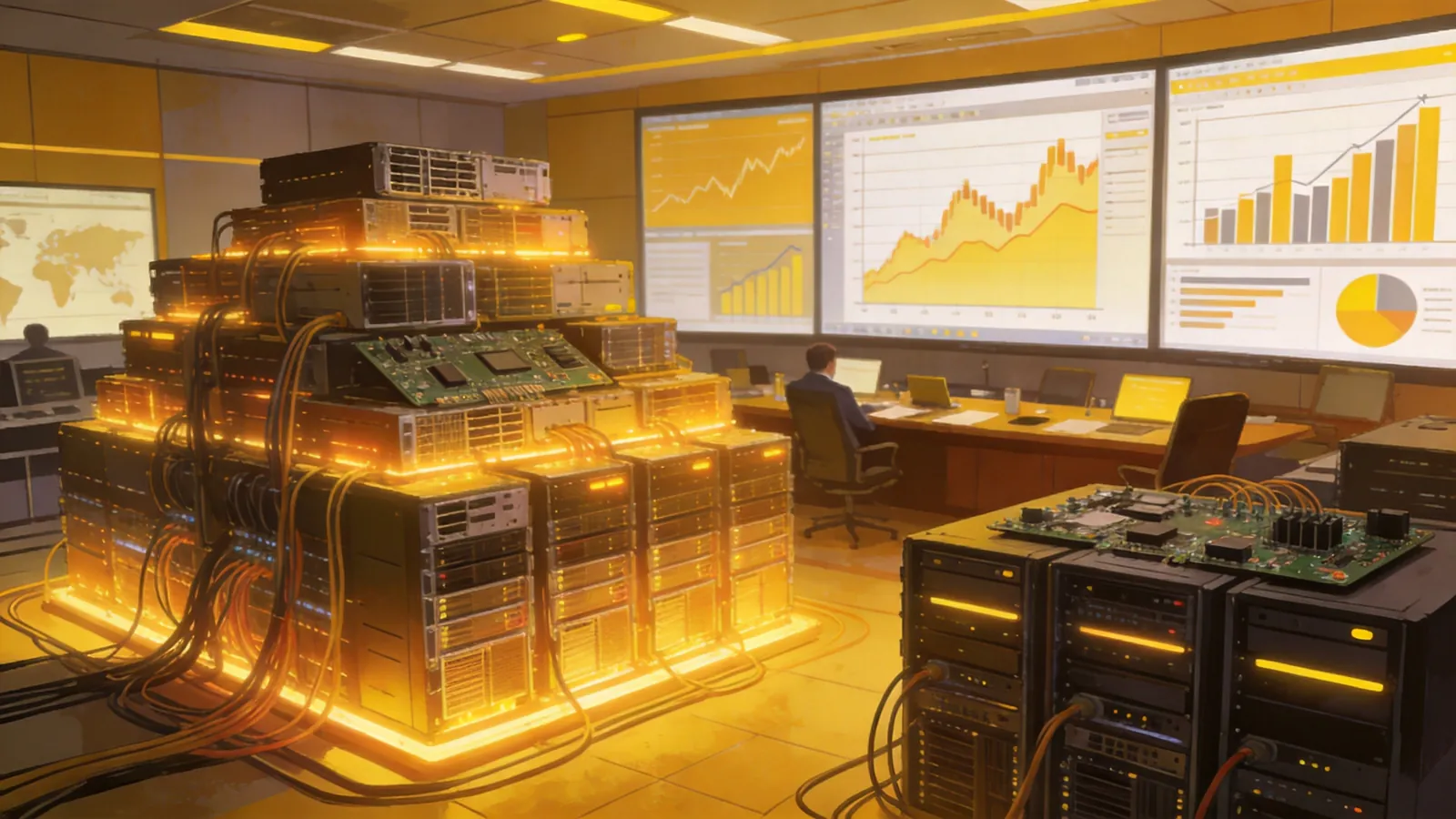
Where Is ¥200 Billion Going? Deconstructing ByteDance's "AI Arsenal"
A ¥200 billion commitment ranks among the largest in global tech. Breaking it down:
¥85 Billion: Buying Entry to the Game
AI chip procurement accounts for approximately ¥85 billion — nearly half the total.
The key move: significantly increasing domestic chip procurement. ByteDance has pre-ordered over $5 billion worth of domestic computing products, spanning Cambrian, Huawei Ascend, and other suppliers. It's also test-purchasing approximately 20,000 Nvidia H200 chips in an initial batch.
This "domestic + import" dual-track strategy is fundamentally about managing export control risks — no single sourcing dependency.
¥75 Billion: Building Data Centers Globally
Domestically: New AI computing centers in Anhui, Inner Mongolia, and Yunnan. Internationally: TikTok's €1 billion Finland data center (#2) and a recently approved ¥36 billion Thailand data center project.
ByteDance's goal is clear: make AI computing power ubiquitous globally — not just for its own products, but to export through its Volcengine cloud platform.
The Remaining ¥40 Billion: Model R&D and Talent
Powering continuous iteration of the Doubao LLM family and comprehensive AI transformation of its application ecosystem. But the bigger cost center: hiring. Top AI talent salaries are being pushed to levels that make startups despair.
Can They Afford This?
Using ByteDance's estimated ~$50 billion annual profit:
- ¥200 billion ≈ $28 billion
- Over half of annual profit goes to AI infrastructure
This isn't "testing the water" — it's betting half the company.
But the logic tracks: if big tech doesn't bet on AI, AI will bet against them. The lessons of being late to mobile internet were too painful — whoever controls infrastructure controls the pricing power for the next wave.
What Should Small and Medium Enterprises Do?
When you read that ByteDance burns ¥548 million per day on chips, data centers, and talent, your instinct might be despair — "we can't compete."
But the opposite is true. ByteDance going this big signals that AI infrastructure is becoming like electricity.
When electricity was new, few could build their own power plants. Then came the national grid — and every household got power.
Volcengine (ByteDance's cloud platform) has already been slashing LLM API prices multiple times in 2026. For SMEs, this means:
- Big tech builds the grid; you use the power. No need for your own computing clusters — call APIs on demand.
- Keep core data local. Especially critical for Nizwo users — public APIs for generic tasks; local Agents for sensitive data and decisions.
- The domestic chip ecosystem is maturing. ByteDance's $5 billion pre-order accelerates mass production and ecosystem development for domestic chips, indirectly lowering costs for local AI hardware.
The Final Chapter of This Bet
There are three possible endings to this ¥200 billion gamble:
| Outcome | Conditions | Result |
|---|---|---|
| ✅ Platform Victory | Volcengine becomes the AWS of AI | ByteDance shifts from "selling traffic" to "selling compute" — profit model upgrades |
| ⚠️ Partial Monetization | Doubao becomes a super-app but cloud remains mid-tier | Barely recovers costs, but valuation logic has shifted |
| ❌ Burn to Nothing | ROI misses expectations; capital bubble bursts | Investment tightens; becomes a cautionary tale of the AI arms race |
Regardless of the outcome, one trend is certain: the era of "commodity-priced AI compute" is accelerating. This is good news for everyone who "uses AI" rather than "sells AI."
In one sentence: Whether ByteDance's ¥200 billion gamble wins or loses, it's driving down the cost of AI infrastructure for the entire industry. Big tech builds the power plants; we use the electricity — that's the real opportunity for SMEs.
The AI Frontier column continuously tracks the latest AI industry developments. Follow us to never miss an industry pivot.