ChatGPT Meets OpenClaw: What Sam Altman's "Lobster" Meme Really Means for AI Deployment
What's the hottest meme in AI right now? It's not another benchmark-busting model release—it's Sam Altman's "catching lobsters with ChatGPT" quip.
At OpenAI's latest developer conference, Altman half-joked: "We're making ChatGPT not just conversant, but capable of doing real things—like catching lobsters for you." The room exploded with laughter, but insiders caught the real message: this was OpenAI officially signaling its entry into the AI Agent space.
Even more interesting: the same week Altman dropped the lobster meme, the OpenClaw community announced official ChatGPT integration into the OpenClaw agent framework. The virtual lobster hasn't been caught yet, but the fusion of two major AI ecosystems is already happening for real.
What Does "Catching Lobsters" Actually Mean?
Altman's lobster joke isn't just a joke. It signals a critical evolution: ChatGPT is transforming from a Q&A tool into an action-oriented agent.
The old ChatGPT was a super-powered chatbot—you say something, it responds. Rich information, natural tone, but no "action capability." It couldn't open a web page, send an email, or manipulate files.
"Catching lobsters" essentially means: getting AI out of the chat box and into the real world to execute tasks.
This requires three components: - A brain that understands complex instructions (provided by ChatGPT) - A set of hands and feet that can manipulate external tools (provided by OpenClaw) - A secure, reliable execution environment (provided by local deployment)
This is exactly what the ChatGPT+OpenClaw combination delivers.
Real-World Use Cases for ChatGPT + OpenClaw
When ChatGPT's language understanding meets OpenClaw's tool orchestration, the possibilities go far beyond imagination:
Autonomous Information Gathering
"Collect the 5 most important AI news stories from the past week, summarize key points for each, and include source links." — ChatGPT-driven content comprehension + OpenClaw's web scraping tools = an auto-generated weekly AI industry briefing.
Cross-Platform Workflow Automation
"Every morning at 9 AM, check my inbox, automatically categorize important emails, and reply to each sender confirming receipt." — OpenClaw's email plugin + ChatGPT's natural language generation = a 24/7 AI assistant.
Local File Intelligence
"Scan my documents folder, identify all contracts, extract key dates and amounts, and create a spreadsheet." — OpenClaw's filesystem tools + ChatGPT's semantic understanding = a document manager that never misses a detail.
Social Media Strategy
"Analyze my last 30 days of Twitter data, identify the top 3 content types by engagement, and draft 5 tweets for next week based on the findings." — ChatGPT's data analysis + OpenClaw's API calls = a data-driven content strategist.
Why Local Deployment Is the Critical Enabler
ChatGPT's API isn't free. If you automate everything through ChatGPT+OpenClaw, costs scale linearly with task volume—clearly unsustainable.
Local LLM deployment resolves this core tension:
- Zero marginal cost: Locally-running models have no per-token pricing. Deploy once, use infinitely.
- Data stays local: Emails, documents, and financial data are processed on your own machine. Nothing goes to the cloud.
- Low-latency responses: Agent calls over LAN are an order of magnitude faster than cloud APIs.
- Offline capable: Works without internet. No external service dependency.
Kaihe AI agent computers are purpose-built for this—shipping with OpenClaw pre-installed, supporting local deployment of mainstream open-source LLMs (DeepSeek, Qwen, etc.), truly plug-and-play.
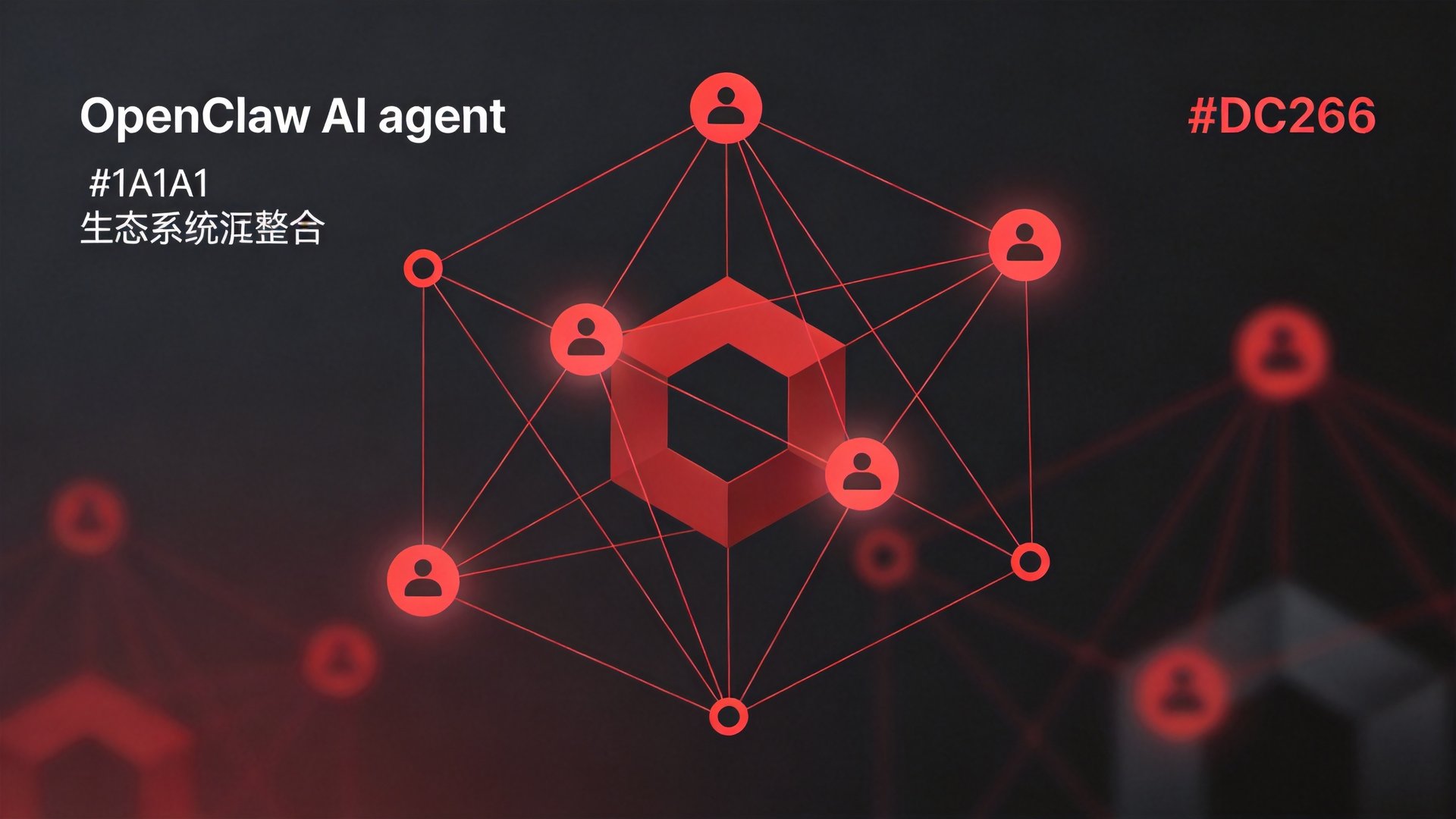
ChatGPT + OpenClaw: The Landscape Is Shifting
Sam Altman didn't say "catching lobsters" by accident. ChatGPT's official integration with OpenClaw marks an industry consensus: cloud-only conversational AI is not the endgame. AI agents + local deployment is.
For everyday users, this means: - No longer just "asking AI questions" but "having AI do things" - No more per-conversation token fees - No more worrying about sensitive data flowing to the cloud
Altman's lobster may still be out there waiting to be caught, but your own AI agent? That's available right now.
📖 Glossary
AI Box (also known as Agent Computer / Agent PC), is a dedicated local hardware device that runs AI Agents. Pre-installed with an AI agent management system, plug-and-play, running 24/7. Users can remotely command AI to work via Discord, Slack, Telegram, WhatsApp, and more.
Kaihe AI agent computers come pre-installed with the OpenClaw agent framework and support dual-mode operation with both ChatGPT API and local LLMs. Plug in, power on, navigate to kaihe.local in your browser, and start building your first AI agent.