China's AI Model Usage Surpasses US by 2x: What 7.9 Trillion Tokens Really Mean
📖 Glossary
AI Box (also known as Agent Computer / Agent PC), is a dedicated local hardware device that runs AI Agents. Pre-installed with an AI agent management system, plug-and-play, running 24/7. Users can remotely command AI to work via Discord, Slack, Telegram, WhatsApp, and more.
Summary: In May 2026, OpenRouter data shows China's weekly AI model Token consumption reached 7.941 trillion — 2.11x that of the United States. This isn't a simple "who uses more" contest. It's a multi-dimensional competition involving cost, ecosystem, and application depth.
The Number Itself: What Is 7.9 Trillion Tokens?
Let's translate this number into something tangible.
- 941 trillion Tokens, assuming 50 Tokens per sentence, equals 158.8 billion sentences. If one person spoke 500 sentences per day, it would take 87 million years to speak that many sentences.
A more relevant comparison: US weekly AI model Token consumption over the same period was 3.76 trillion. China's volume is 2.11x the US, and has held the global top spot for three consecutive weeks.
This isn't a one-off. Since March 2026, China's AI model weekly Token consumption has consistently exceeded that of the US. According to National Data Administration head Liu Liehong, China's daily Token consumption grew from 100 billion in early 2024 to 140 trillion in March 2026 — a thousand-fold increase in two years.
Why Is China's Token Consumption So High?
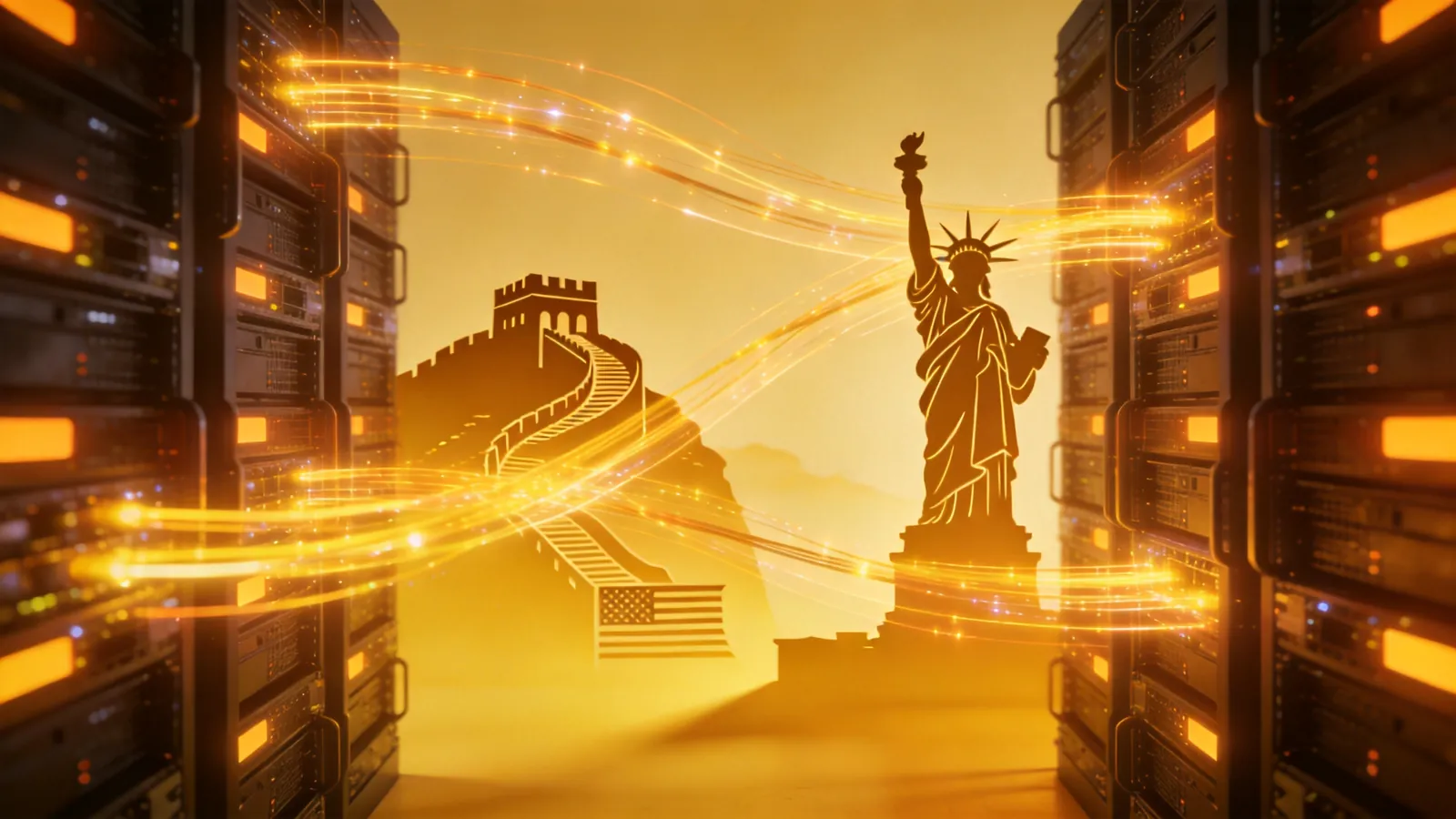
Three keywords: cost, open source, and application depth.
Cost advantage is significant. China's Token prices are among the lowest globally. Taking Doubao as an example, its Token pricing is less than one-tenth of GPT-4's. When the cost of calling a model is sufficiently low, "using it" stops being a decision that requires careful cost-benefit analysis.
Open-source ecosystem is thriving. On the Hugging Face open-source leaderboard, Chinese models occupy 8 of the top 10 spots. Open-source models lower the barrier to entry and enable more flexible deployment options. Enterprises can choose between self-hosting and API calls rather than being locked into a single vendor.
Application scenarios are deepening. This may be the most critical factor. Data shows that domestic AI applications are crossing the divide from "can chat" to "can do things." Intelligent customer service, code generation, data analysis, content creation — these aren't demo showcases; they're real productivity scenarios. The growth in Token consumption means users are actually putting AI to work, not just experimenting.
High Token Volume ≠ Technical Leadership
This needs to be clarified: Token consumption reflects market size and application depth, not directly technical capability.
OpenAI's GPT-5.5 still maintains a lead in multi-step reasoning, code generation, and complex task processing. Domestic models like DeepSeek V4 and Doubao perform excellently in specific scenarios, but there remains a gap compared to GPT-5.5 overall.
The reasons for leading in consumption volume are more likely: - China has a large user base and many enterprises - Localized services are better, with faster response times - Price-sensitive users have more options and choose cost-effective domestic models - Many scenarios don't require "the smartest model" — "good enough" suffices
This is like the smartphone market — the highest-selling model isn't necessarily the most technologically advanced, but the one that best matches market demand.
What Does This Data Mean for Kaihe?
As an agent computer manufacturer, this data sends three signals:
First, the agent market is exploding. A thousand-fold increase in Token consumption means AI is transitioning from "novelty toy" to "daily tool." Agents are the ultimate form of AI applications — not dialogue, but execution. This trend aligns perfectly with Kaihe's product positioning.
Second, the cost advantage will persist. Low Token prices in China aren't a short-term strategy — they're the inevitable result of computing infrastructure and scale effects. This means the cost threshold for using agent applications will keep dropping, and more users will "be able to afford using them."
Third, application scenarios determine victory or defeat. The models with the highest Token consumption aren't necessarily those with the largest parameter counts — they're the ones that genuinely solve user problems. This is exactly where Kaihe's competitive edge lies — not competing on model parameters, but providing an out-of-the-box agent application that lets even non-technical users run agents 24/7.
The Next Milestone: From "Token Volume" to "Value Created"
- 9 trillion Tokens is a milestone, but not the finish line.
The metric truly worth tracking isn't Token consumption itself, but: How much value did these Tokens create? How much labor cost was saved? How many new possibilities were unlocked?
If 100 trillion Tokens of consumption only lets users "chat more happily," the value is limited. But if those Tokens let agents complete real work for users — processing documents, generating code, monitoring data, automating workflows — that's a different story.
China's AI's next step is moving from "highest consumption" to "highest value created." And this is exactly the problem agent computers aim to solve.
KaiheAiBox · The Agent Computer for Everyone · AI Frontier Zone