
You've probably had this experience—your feed is full of people talking about how fast Codex writes code, how flexible Hermes is for building agents, how thoughtful Workbuddy is, and then someone says "make sure you run it on AIBOX." And you're left thinking: what are all these things? Aren't they all just AI? What's the actual difference?
That's exactly the right question. These four names show up together constantly, but their roles are like engine, GPS, steering wheel, and the entire car—all related to "driving," yet operating at completely different layers.
This article breaks down the essential differences between all four in the most straightforward way possible. By the end, you'll know exactly which one you need and which ones you don't.
Clarifying Three Common Misconceptions
❌ Misconception 1: They're competitors—just pick one.
No. Codex writes code in your terminal. Hermes is a framework for building agents. Workbuddy is a work companion that pairs with you. AIBOX is the hardware foundation that keeps the first three running 24/7. They complement each other—you can use Codex alone, or Codex + Hermes + AIBOX together, but you can't "replace" Codex with AIBOX.
❌ Misconception 2: They're all software—just install them on your computer.
Codex, Hermes, and Workbuddy are indeed software that runs on your computer. But AIBOX is not software—it's a palm-sized independent hardware device. Install Codex and Hermes on AIBOX, shut down your computer after work, and they keep running. Install them on your laptop, close the lid, and everything stops. This difference makes them fundamentally different categories of product.
❌ Misconception 3: They all do roughly the same thing—they're "AI assistants."
Not even close. Codex specializes in writing code—ask it to book a flight and it can't. Workbuddy is positioned as a knowledge work companion—helping you research, draft documents, and organize thoughts. Hermes operates at the framework layer—you can build a customer service agent, a data analysis agent, or an automated ops agent with it. AIBOX operates at the hardware layer—providing the physical carrier for "where the agent runs." The problems these four products solve exist in completely different dimensions.
The Essence: One Sentence Per Product
Codex = The AI programmer living in your terminal
OpenAI's Codex CLI works directly in your command line. Say "write a Python web scraper for me," and it immediately creates files in your project directory, writes the code, and runs tests. Direct filesystem access is its core capability. This is also why it's notoriously hard on SSDs—numerous users have reported that Codex's frequent write operations accelerate SSD wear significantly.
Hermes = The "operating system" for intelligent agents
Hermes (github.com/anglerfis/hermes) is an open-source agent framework under the Apache 2.0 license. It doesn't do things for you directly—instead, it gives you a set of tools and methods for building agents. Want to build an agent that monitors competitor pricing automatically? Use Hermes. Want one that auto-replies to customer emails? Hermes again. It's "a factory for building agents," not "an agent" itself.
Workbuddy = The AI work buddy on your desktop
Workbuddy is positioned as a companion-style work assistant. Unlike Codex, it's not limited to coding. Unlike Hermes, you don't need to build anything. It's like having a colleague sitting next to you—always ready to look things up, help draft documents, think through ideas together, and handle everyday tasks. It's built for anyone who works with a computer, not just programmers.
AIBOX = The physical foundation that keeps the first three running forever
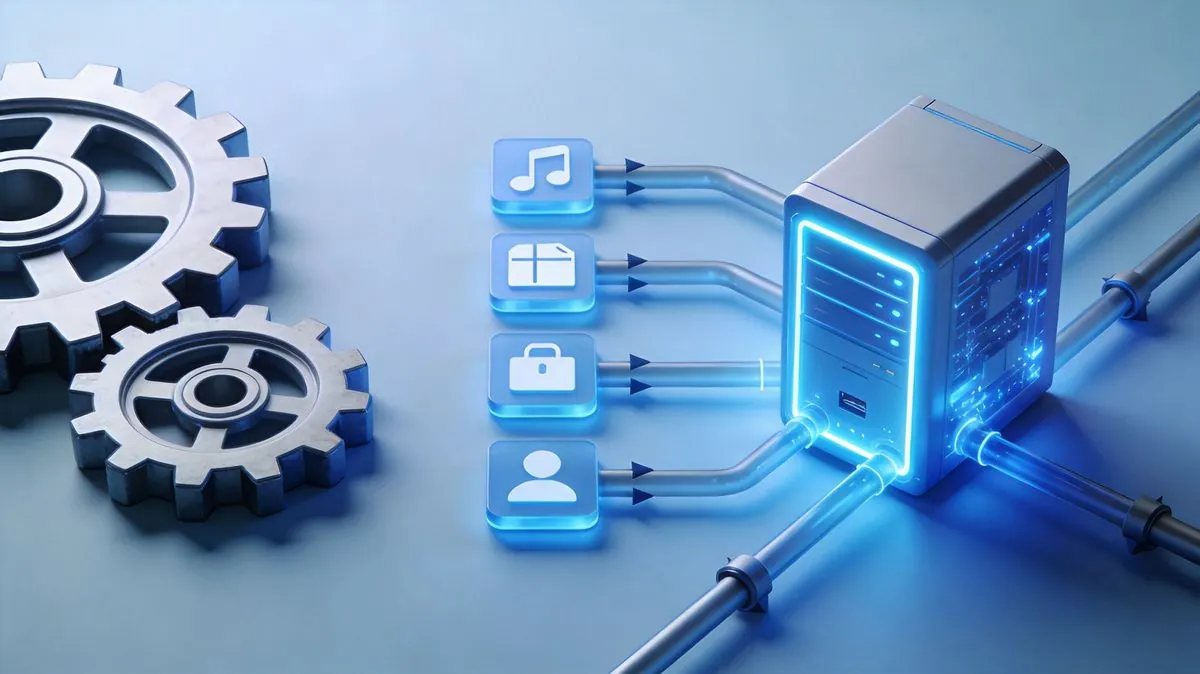
The first three are all software. Install them on your computer, and they stop when you shut down. AIBOX is an independent hardware device—plug it in, connect to the internet, and it starts working. Whether your computer is on or off, whether you're home or away, it keeps going. Deploy Codex on AIBOX, leave work mid-task, and it continues generating code. Deploy Hermes agents on it, and they run 24/7 without interruption. It's the physical carrier that lets agents "run on their own."
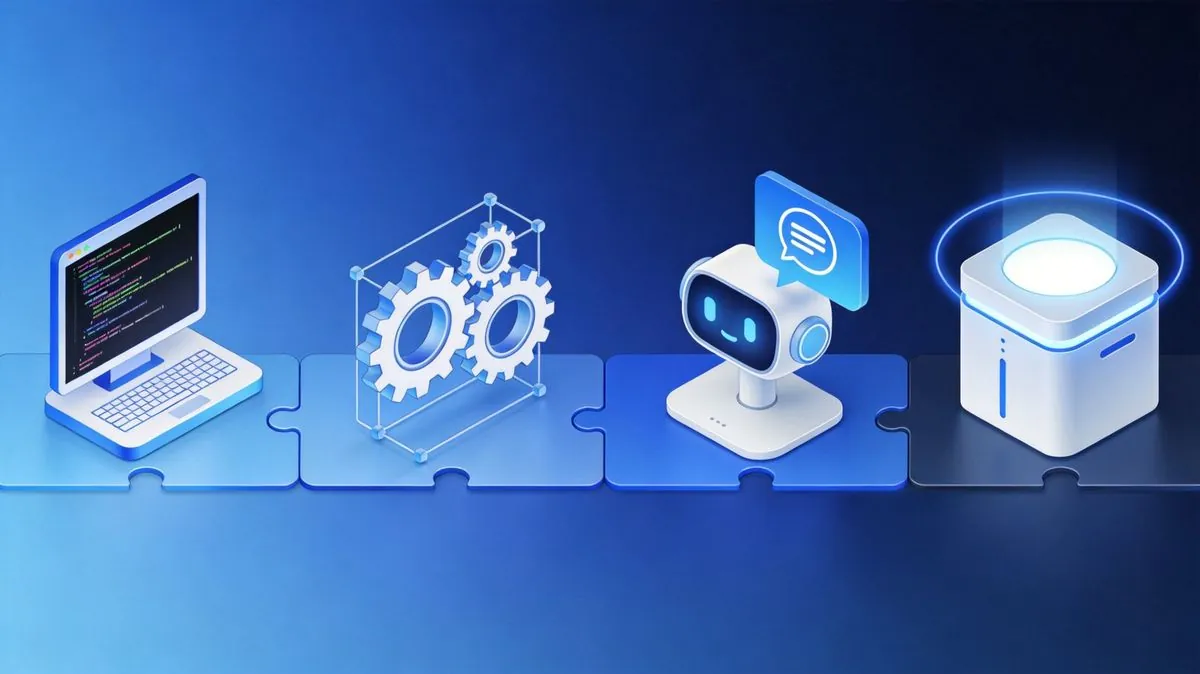
One sentence to capture the relationship: Codex and Workbuddy live at the application layer, Hermes at the framework layer, and AIBOX at the hardware layer. Without the hardware layer, applications and frameworks all stop the moment you shut down your computer.
Breakdown: Three Dimensions of Difference
Core Capabilities: What makes each one unique
Codex's core capability is terminal-native + direct filesystem access. No IDE needed, no window switching—just natural language in the command line, and it operates directly on your project files.
Hermes's core capability is programmable agents. It doesn't hand you a finished product—it hands you a set of building blocks. Open-source, customizable, able to call any API. The same framework can produce 100 different kinds of agents.
Workbuddy's core capability is companion-style interaction. It's not designed to complete tasks for you, but to work alongside you—picking up on your train of thought, understanding your work context in real time.
AIBOX's core capability is 24/7 independent operation. It's hardware with its own CPU and memory, independent of your computer. Plug it in and connect to the network, and it becomes a micro AI workstation that never clocks out.
Core Value: What problem does each solve
| Product | Core Problem It Solves |
|---|---|
| Codex | "I don't want to write repetitive code by hand"—AI writes it directly in your project |
| Hermes | "I want my own custom agent, not someone else's off-the-shelf product"—open-source framework, freely compose |
| Workbuddy | "I want a buddy to discuss things with while I work"—companion AI assistant |
| AIBOX | "My AI stops working when I shut down"—independent hardware, never stops |
Typical Scenarios: When to use which
| Your Need | Which One |
|---|---|
| Write code, debug, fix bugs—don't want to do it manually | Codex |
| Build an agent that auto-monitors competitor prices or auto-replies to emails | Hermes |
| Write reports, research, organize thoughts—want someone to discuss with | Workbuddy |
| Have it compile industry news before bed, auto-push to WeChat in the morning | AIBOX |
| Codex running on AIBOX—code auto-generates even after shutdown | AIBOX + Codex |
| Hermes agents running 24/7 on AIBOX—zero downtime | AIBOX + Hermes |
Comparison: Side-by-Side Across Nine Dimensions
| Codex | Hermes | Workbuddy | AIBOX | |
|---|---|---|---|---|
| What it is | AI coding CLI tool | Open-source agent framework | AI work companion | 24/7 agent hardware |
| Form factor | Command-line software | Open-source code | Desktop application | Physical hardware box |
| Target user | Developers | Developers & tech teams | All knowledge workers | Anyone needing automation |
| Core ability | Write code in terminal, operate files | Build custom agents, call tools | Companion Q&A, organize thinking | Independent 24/7 operation |
| After shutdown | Stops | Depends on deployment | Stops | Keeps working |
| Open source | No (OpenAI) | Yes (Apache 2.0) | No | Hardware with open ecosystem |
| Pricing | Per API usage | Free | Subscription | One-time hardware purchase |
| Key limitation | Heavy SSD writes | Requires technical skill to set up | Depends on computer uptime | Requires separate hardware purchase |
Closing: Back to the Beginning—Four Sentences to Make Your Choice
Back to that initial confusion—four names swirling in your head, which one is actually for you?
Don't memorize the table. Just remember these four lines:
- You're a developer, want AI to write code directly in your project → Codex
- You want to build your own custom agents, not use off-the-shelf ones → Hermes
- You want a work buddy who's always ready to chat and help → Workbuddy
- You want AI to keep working after you shut down your computer → AIBOX
And if you want Codex writing code AND Hermes agents running tasks AND none of them ever stopping—deploy both Codex and Hermes on AIBOX. Shut down your computer at the end of the day, and they keep working until morning.
These four products together form a complete chain: Hermes builds agents → Codex + Workbuddy use agents → AIBOX keeps agents running forever. Once you understand this chain, you'll never mix them up again.
Further Reading
- Codex CLI Official Docs — How Codex reads and writes your project files from the terminal
- Hermes Open-Source Repository — Apache 2.0 agent framework, build freely
- AIBOX Official Site — Product details, use cases, customer stories
📖 Glossary
AI Box (also known as Agent Computer / Agent PC), is a dedicated local hardware device that runs AI Agents. Pre-installed with an AI agent management system, plug-and-play, running 24/7. Users can remotely command AI to work via Discord, Slack, Telegram, WhatsApp, and more.
One-sentence takeaway: Codex writes code, Hermes builds agents, Workbuddy works alongside you, AIBOX keeps them running forever. These four don't compete—they're four links in a single chain.
Want to learn more about AIBOX?
Contact: [email protected]
铠盒AIBOX #AI智能体 #AI助手 #OpenClaw #AIBOX #Hermes
Original article: https://agentaibox.com/articles/codex-hermes-workbuddy-aibox-explained