Codex++ Deep Dive: From ChatGPT Super App to the Evolution of AI Coding Agents
📖 Glossary
AI Box (also known as Agent Computer / Agent PC), is a dedicated local hardware device that runs AI Agents. Pre-installed with an AI agent management system, plug-and-play, running 24/7. Users can remotely command AI to work via Discord, Slack, Telegram, WhatsApp, and more.
Abstract: Codex++ isn't just an upgraded Codex. It's what happens when OpenAI fuses ChatGPT's conversational ability with an Agent's autonomous execution — a fully automated programming agent that writes code, runs tests, and fixes bugs on its own.
In 2024, OpenAI launched Codex, an AI tool that could generate code snippets. At the time, everyone thought "AI writing code" was already cool enough.
In 2026, Codex++ arrives. It doesn't just write code — it understands your project structure, edits across multiple files, runs tests automatically, finds and fixes bugs, then re-runs tests to confirm everything works.
This isn't "assisted programming" anymore. This is "autonomous programming."
From Fragmented Assistance to Full-Chain Delivery
Let's clarify a concept first: AI coding tool evolution has three stages.
Stage One: Code Completion. Representative product: GitHub Copilot. You type a function name, it fills in the body. Essentially advanced autocomplete — it handles one line, not the big picture.
Stage Two: Conversational Coding. Representative products: Cursor, ChatGPT. You describe a requirement, it generates a code block. Better than completion? Yes, it can write new functionality, not just fill in existing logic. But the problem — once generated, you're on your own to verify if it actually works.
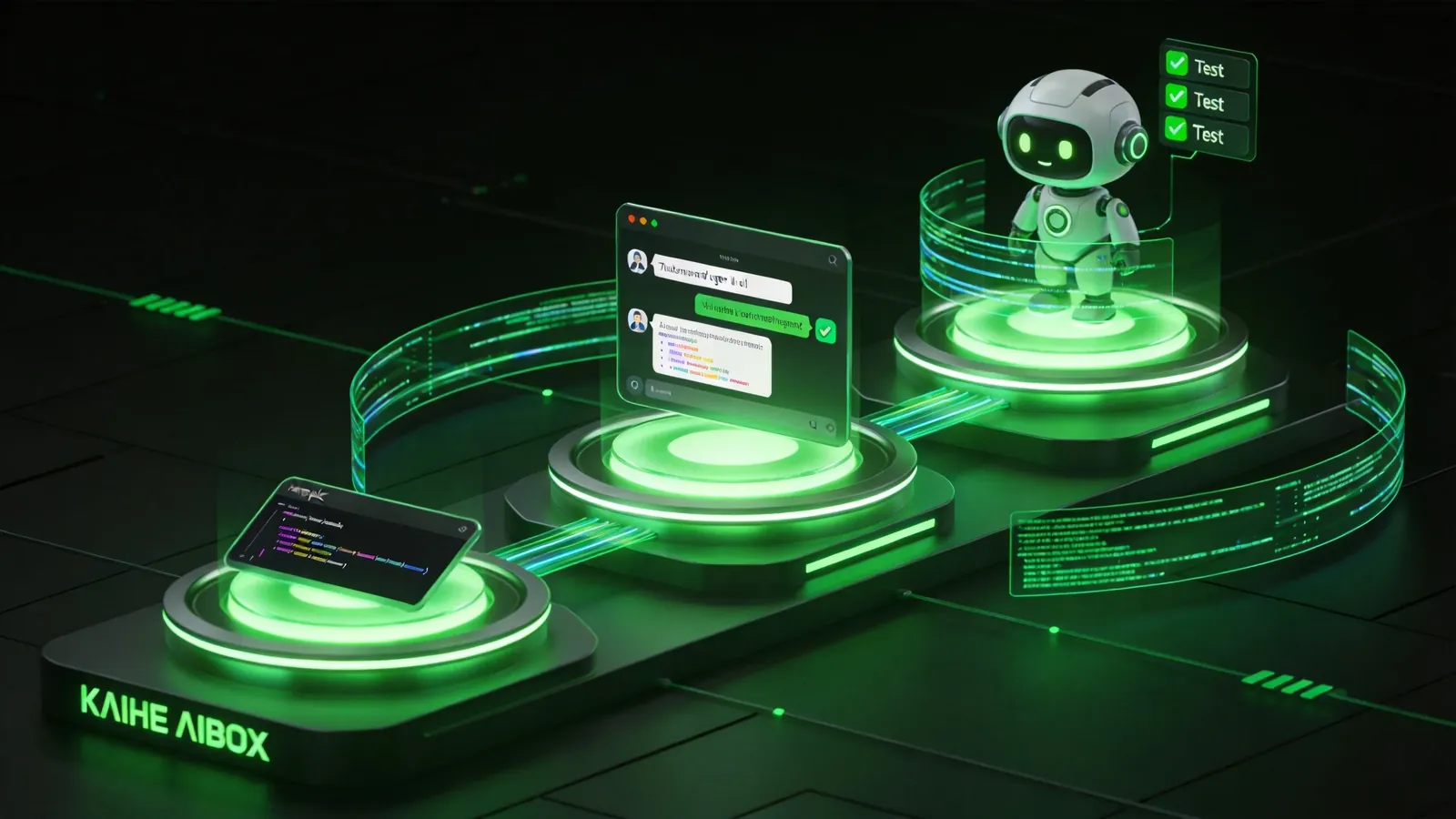
Stage Three: Agent Autonomous Programming. Representative product: Codex++. You give it a task, it breaks it down, writes code, runs tests, fixes bugs, re-verifies, until the task is complete. You don't need to watch it — it closes the loop itself.
Codex++ is the标志性 product of this third stage. It transforms "AI helps you write code" into "AI delivers features for you."
Codex++ Core Capabilities Breakdown
1. Long Context Understanding
The pain point of traditional AI coding tools: they "lose memory" when projects get large. A variable defined in file A? They don't recognize it in file B.
Codex++ supports an ultra-long context window, capable of understanding the entire project's code structure, dependencies, and interface definitions simultaneously. This means it won't write logic that conflicts with existing code — because it "sees" your whole project.
2. Multi-File Collaborative Editing
In real projects, one feature often touches three to five files — changing interfaces, implementations, tests, and configs. Previously, AI could only edit one file at a time; you had to manually string them together.
Codex++ can edit multiple files simultaneously while maintaining logical consistency. Give it a task like "add a user login feature," and it will update routes, controllers, models, and tests — all without conflicts.
3. Automated Testing and Bug Fixing
This is the biggest difference between Codex++ and previous-generation products.
After writing code, it automatically runs the test suite. Tests fail? It analyzes the failure reason, modifies the code, and re-runs. This iterative loop continues until everything passes.
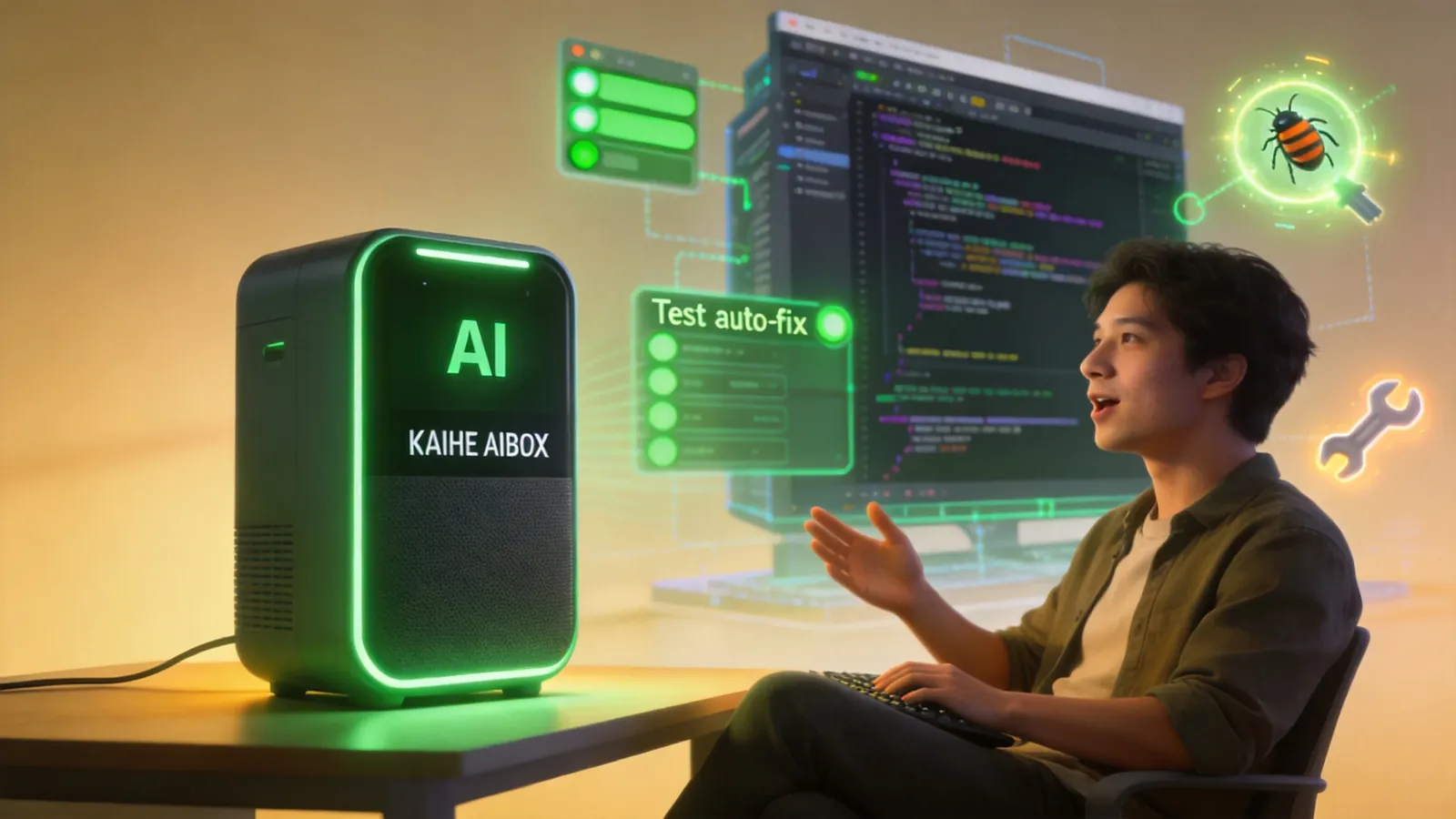
You don't need to be the "tester" anymore. It writes, tests, and fixes — forming a complete closed loop.
4. Ecosystem Integration with ChatGPT Super App
Codex++ doesn't exist in isolation. It's deeply integrated into the ChatGPT super app — you can invoke Codex++ capabilities directly within a conversation, discuss requirements with ChatGPT, then execute with one click.
This fusion means: natural language → requirement confirmation → code generation → test verification → delivery, all within a single workflow.
How Can Regular Developers Use Codex++?
Honestly, Codex++'s value for professional developers is obvious. But what about non-programmers?
If you're not a developer, you might think "AI coding" has nothing to do with you. But consider this from a different angle —
In the future, everyone will be able to use natural language to have AI do things for them. Programming is just one way of "doing things." The real significance of Codex++ isn't "making programmers more efficient" — it's "enabling people who can't code to have AI execute complex tasks."
Kaihe AIBOX follows the same philosophy as Codex++. Codex++ has AI autonomously complete programming tasks; Kaihe AIBOX has AI autonomously complete daily tasks — searching information, managing emails, writing documents, sending notifications. Both are "you speak, AI acts."
The difference is focus: Codex++ targets the coding scenario, Kaihe AIBOX targets life and work scenarios. One writes code, the other runs your daily operations.
The End Goal of AI Coding Evolution Isn't Code
Looking back at the evolution direction of AI coding tools: from code completion → code generation → autonomous feature delivery → natural language driven.
Each step lowers the barrier for human involvement in programming. And the end point isn't "everyone can code" — it's "no one needs to code."
You only need to tell AI what you want, and AI figures out how to implement it. Codex++ is the milestone marking this in the programming domain. Kaihe AIBOX is the practice reaching this point in daily life and work.
AI doesn't need you to understand it. It just needs you to tell it what you want.
-#KaiheAIBOX #AIAgent #OpenSource #ArtificialIntelligence #CodexPlusPlus #AICoding #AIProgramming #AIBOX #AI工具
Kaihe AIBOX | The Agent Computer That Works 7×24 for You · AI Agent