
How an 8-Person Shenzhen Cross-Border E-Commerce Team Replaced 3 AI Subscriptions with One Kaihe Box — Saving ¥150,000 a Year
📖 Glossary
AI Box (also known as Agent Computer / Agent PC), is a dedicated local hardware device that runs AI Agents. Pre-installed with an AI agent management system, plug-and-play, running 24/7. Users can remotely command AI to work via Discord, Slack, Telegram, WhatsApp, and more.
This isn't a "what if" story—it's the real expense sheet from one of our Shenzhen clients.
Their AI Spending Was Eating Into Profits
This 8-person company sells on Amazon North America, with monthly revenue around ¥1.2 million. Sounds decent, right? Then the boss, Wang, ran the numbers at the end of last year. His face fell.
Their monthly AI tool spending:
- ChatGPT Team (4 seats): $120/month
- Midjourney Pro (3 seats): $180/month
- Jasper AI (content writing): $99/month
- Miscellaneous tools (translation, SEO, data analysis): ~$150/month
Total: ~$549/month. That's $6,588 per year—about ¥47,000.
But the real cost went far deeper. The data handoff between AI tools—manually copy-pasting ChatGPT copy into Jasper, downloading Midjourney images and re-uploading them to the Amazon seller backend—these "connection costs" consumed at least 2 person-hours every day. Factor in labor, and the annual total exceeded ¥150,000.
"The night I finished the math," Wang said, "I knew we had to change the setup."
Why Kaihe Instead of More Subscriptions?
Wang's pain point wasn't that AI wasn't good enough—on the contrary, AI was so good it was worth using at every step. The problem was: the better AI got, the more fragmented the workflow became.
A typical Amazon listing creation flow: 1. Research competitor selling points with ChatGPT → export as text 2. Paste text into Jasper to rewrite as listing copy → export 3. Generate product images with Midjourney → download locally 4. Open translation tool, translate title and bullet points → export 5. Manually paste everything into Amazon Seller Central
5 tools, 5 accounts, 5 interfaces, none talking to each other.
With Kaihe, the new flow:
One OpenClaw Agent workflow strings all the steps together.
Input product name and basic specs → Agent auto-searches competitors → analyzes selling points → generates listing copy (bilingual) → calls image generation API → translates → packages a complete listing asset bundle.
No switching between 5 tools. No manual data handoff. What used to take 2 hours now takes 15 minutes.
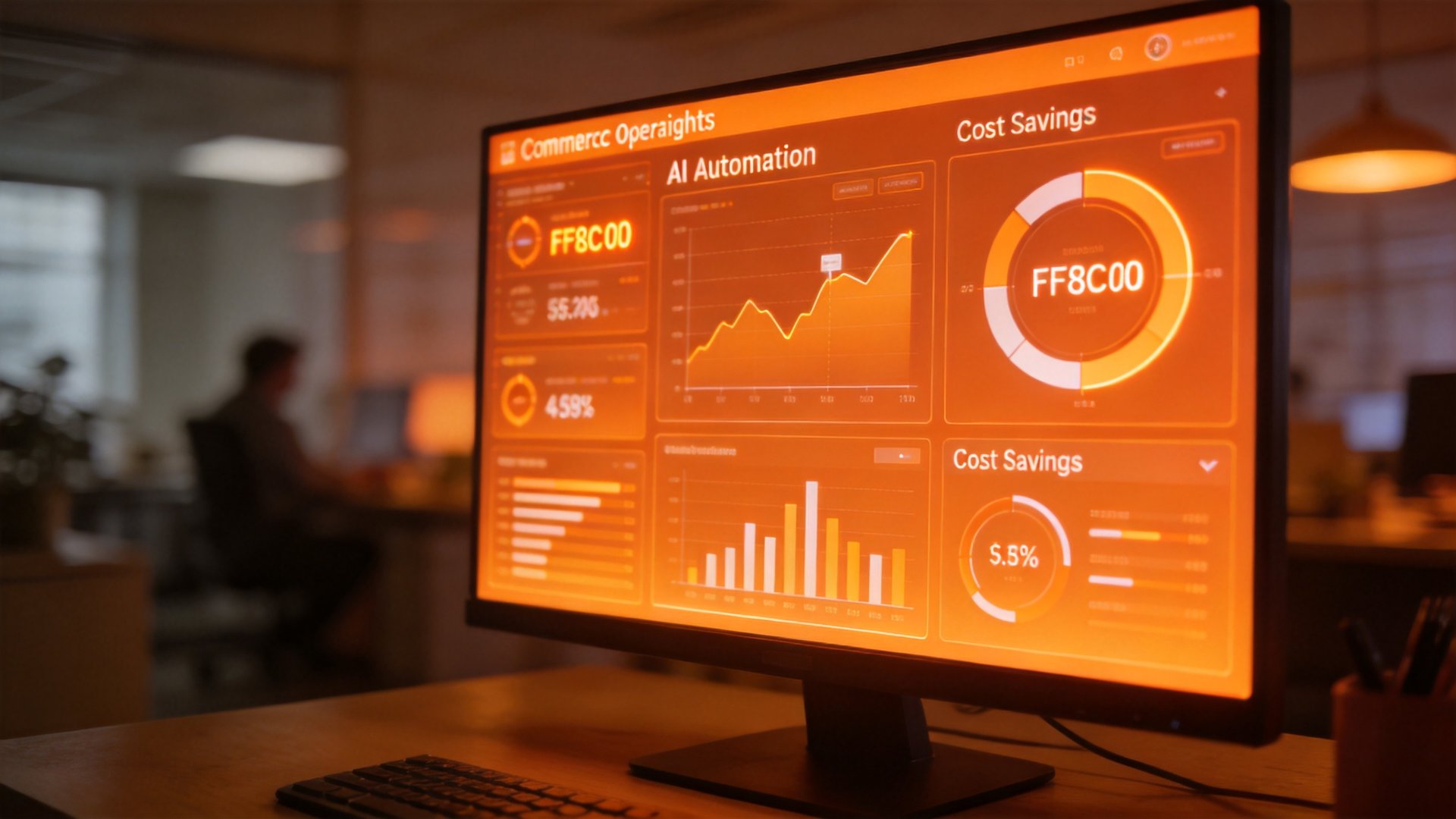
Real Cost Comparison: How Much Was Saved?
After Wang deployed a Kaihe C1, here's what changed over 8 months:
AI tool subscriptions: Dropped from $549/month to $79/month (kept only 1 Midjourney Pro seat and minimal API calls)
Labor savings: ~1.5 hours per day freed from "data shuttling between AI tools." At an average hourly rate of ¥60 for an 8-person team, that's ¥720 saved per day. Over 20 working days a month: ¥14,400.
8-month total savings: - Subscriptions: ($549 - $79) × 8 = $3,760 (~¥27,000) - Labor: ¥14,400 × 8 = ¥115,200 - Combined: ~¥142,000
"The C1 cost us ¥1,999," Wang laughed. "So we spent ¥1,999 on it, and it saved us ¥142,000. I'm not even going to calculate the ROI—people would think I'm making things up."
Beyond Savings—Three Unexpected Gains
1. AI Started Actually "Knowing" Their Business
With SaaS subscriptions, every conversation is standalone. ChatGPT doesn't remember what you asked last time. But Kaihe runs locally—all conversation history, generated content, and business data stays on the device. Eight months in, they've built a comprehensive "cross-border e-commerce knowledge base," and the Agent's responses draw from this accumulated context, far exceeding generic AI accuracy.
2. Competitor Analysis Went from "Occasional" to "Real-Time"
Competitor analysis used to mean manually collecting data and compiling reports—once a month if you were diligent. Now the Agent automatically scans specified competitors' pricing, reviews, and new product activity every morning, generating a daily briefing. No human oversight. No human nagging.
3. Data Security No Longer Means Wrestling With SaaS Providers
Product selection data, pricing strategy, supplier information—these are a cross-border e-commerce company's lifelines. "When I used to feed this data into ChatGPT, honestly, I was uneasy." Now everything stays on their own Kaihe—physically inaccessible to anyone else.
Which Teams Stand to Gain the Most?
Not every team will benefit equally. If you match these criteria, the ROI will be exceptionally high:
- Team of 5-15 people, using 3+ AI subscription tools
- AI workflows involve cross-tool data transfer and format conversion
- Data privacy matters (customer information, business strategies, etc.)
- Want to build a cumulative AI knowledge base rather than starting fresh every session
Wang's Final Thought
"I used to think AI software subscriptions were just how things worked—like Office 365, monthly payments made sense. But then I realized AI isn't like Office. Office is a tool—you use it when you need it, you don't when you don't. AI learns. The more you use it, the better it should understand you. A monthly SaaS subscription? Every conversation is brand new. It never truly 'knows' you."
"Kaihe flips that around. On day one, it might not be as smart as ChatGPT. But after a month—it's yours."
Tags: Kaihe, OpenClaw, Cross-border E-Commerce, Private AI, AI for Business, Data Security