Eldery Parents Forget Their Pills? An AI Box Sends WeChat Reminders and Confirms with Voice Replies
📖 Glossary
AI Box (also known as Agent Computer / Agent PC), is a dedicated local hardware device that runs AI Agents. Pre-installed with an AI agent management system, plug-and-play, running 24/7. Users can remotely command AI to work via Discord, Slack, Telegram, WhatsApp, and more.
Abstract: As parents age, they take multiple daily medications — blood pressure pills, diabetes meds, heart medication. Forgetting a dose or double-dosing are both dangerous. When you live far away, calling to remind them doesn't always work. One solution: place an AI box at home that sends WeChat medication reminders on schedule, and parents reply with a voice message saying "taken." You see the confirmation on your phone.
My dad was diagnosed with high blood pressure and mild diabetes last year. He takes four medications daily: two blood pressure pills after breakfast, one diabetes pill after lunch, one heart pill after dinner, and one aspirin before bed.
Sounds simple, but the problem is: he can't remember.
Medication for Elderly Is Harder Than You Think
My mom told me several times: "Your dad forgot his lunch pills again." I suggested setting a phone alarm. They did. But when the alarm rings, he dismisses it thinking "I'll take it in a minute," then forgets entirely. Sometimes he takes the pills, forgets he took them, and takes them again.
Call to remind him? I work in another city — I can't call at exactly 12:00 and 19:00 every day. Even when I do, he says "I know, I know" and forgets just the same.
The scariest scenario is double-dosing. An extra blood pressure pill can cause dizziness and falls — the consequences don't bear thinking about.
Then I placed a Kaihe AIBOX-A1 at their home and set up medication reminders. The results surprised me.
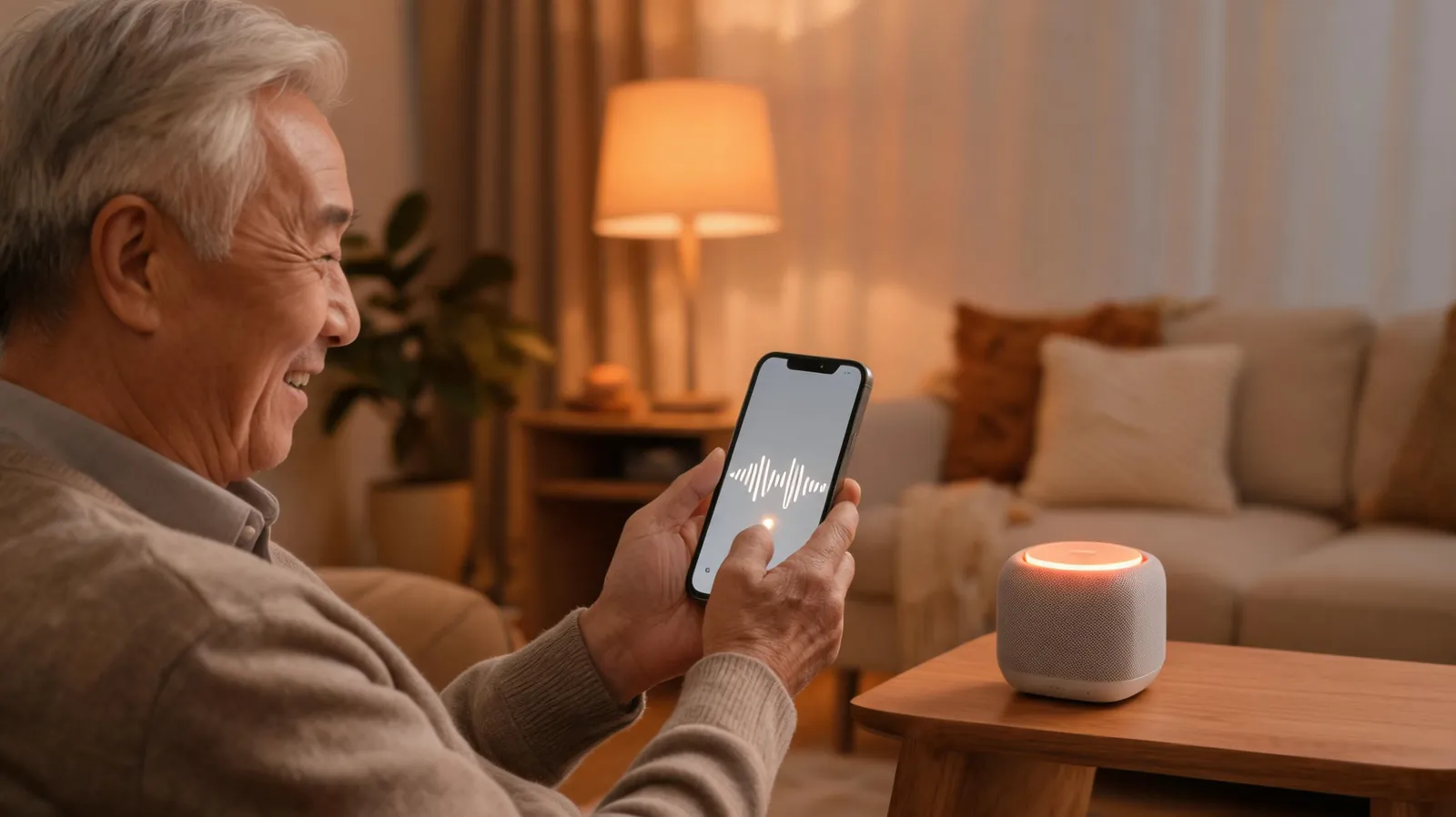
How It Works: WeChat Reminders, Voice Confirmations
The setup is simple: the AI box sits at home, plugged in and connected to Wi-Fi. Parents don't need to learn anything new — they just use WeChat as they always have.
I set up the medication schedule in advance:
- 7:30 AM: "Time for your blood pressure pills — two tablets, after breakfast."
- 12:00 PM: "Time for your diabetes medication — one tablet, after lunch."
- 6:30 PM: "Time for your heart medication — one tablet, after dinner."
- 9:30 PM: "Time for your aspirin — one tablet, before bed."
WeChat sends these automatically at the scheduled times — no manual intervention needed. When my dad receives a reminder, he sends a voice message saying "taken." The AI processes the voice and syncs a record to my WeChat: "Dad replied 'taken' at 7:32 AM — blood pressure medication confirmed."
If he doesn't respond, the AI sends a second reminder after 15 minutes. If still no response, I get an alert: "Dad hasn't confirmed his lunch medication — reminded twice."
That's when I call to check in.
Beyond Reminders: Medication Tracking
Over time, the accumulated data becomes valuable. At his last checkup, the doctor asked about his medication adherence. I sent over the AI-generated monthly report: which days were missed, which doses were late, overall compliance rate — all clearly laid out.
The doctor said: "This is much better than asking patients to recall. Patients always say 'I took it on time,' but data doesn't lie."
The AI also spots patterns. For example, it noticed my dad often missed his Wednesday lunch pills — because he goes to the senior activity center to play cards and doesn't carry his phone. I moved Wednesday's lunch reminder to 11:45 AM, so he gets it before heading out.
Parents Don't Need to Learn Anything New
Many people worry that elderly parents can't handle smart devices. The beauty of this AI box: parents don't need to learn anything at all.
No app to download, no QR codes to scan, no buttons to press. The only thing they do is read WeChat messages and send voice replies. My dad uses the same basic phone with WeChat — as long as he can send voice messages, he's set.
All data stays on the local device, never uploaded to the cloud. Health records and medication information remain on a device in their own home — no privacy concerns.
How Is This Different from a Phone Alarm?
The most common question: why not just set phone alarms?
The difference is significant. An alarm rings, the elderly person dismisses it, and you have no idea whether they actually took the medication. The AI box creates a closed loop: remind → confirm → alert. If no confirmation comes, it reminds again. If still nothing, it notifies you. You stay informed even from afar.
Plus, alarms need manual setup. When dosages change, you have to reconfigure everything. With the AI box, I just say "blood pressure pills changed to one and a half tablets this week," and it automatically updates all future reminders.
Further Reading
- More User Stories - See how different people use it
-#KaiheAIBOX #AIBOX #MedicationReminder #SmartHome #UserStory
Kaihe AIBOX | The Agent Computer That Works 7×24 for You · User Story