The thing on your phone that chats, the thing on your laptop that edits a spreadsheet, the thing in a browser tab that answers anything, and the small box on your desk that never turns off, are all called AI assistants. They are not the same thing. Four names, four tiers, and you do not need any technical background to tell them apart. Ask three questions: can it act, where does it run, and whose machine is it.
The last three share a name: action AI. What separates them from the first tier is that they can call tools and do the work, not just reply with a paragraph. So from the second tier onward, the comparison is not about which one is smarter. It is about where it runs and who owns that machine.
1. Chat AI: it talks, it does not act
📖 Glossary
AI Box (also known as Agent Computer / Agent PC), is a dedicated local hardware device that runs AI Agents. Pre-installed with an AI agent management system, plug-and-play, running 24/7. Users can remotely command AI to work via Discord, Slack, Telegram, WhatsApp, and more.
You ask, it answers. The output is text, and the boundary is the chat box.
It is very good at turning information into something a human can read: research, first drafts, translation, explaining a concept, offering three options. What it cannot do is finish. It hands you a paragraph, and the last click is still yours. Placing an order, editing a file, sending the email, watching a price, deleting a record, none of that is in reach.
There is a simple test. How often you copy and paste is exactly where its ability ends. The more you paste, the further it is from doing the work for you.
2. Office AI: it borrows your computer
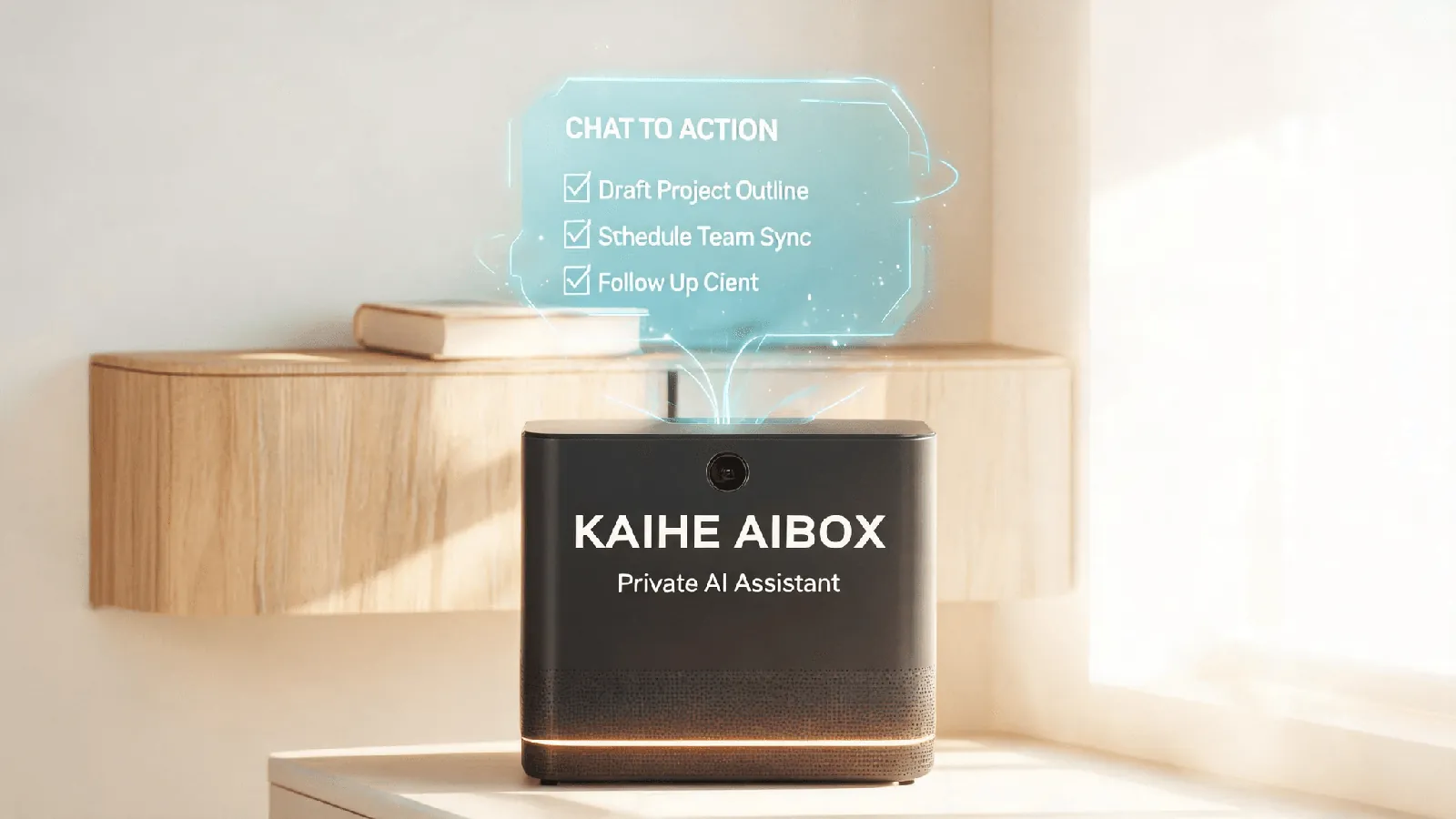
Installed on your own machine, working through the computer you are already using. For most people this is the first time they see an AI actually act.
The upside is immediate. It can touch your local files, it can drive the browser you are already signed into, and it needs no extra hardware. OpenCode's Browse, released on November 7, is a clean example: it reuses your existing tabs and login state, and hands control back to you at login, verification or payment. You do not sign in again, and it never learns your password.
The limit is just as immediate, because it is borrowing your computer. Close the lid and it stops. Compete for CPU and it slows down. Shut the machine down and there is no 24/7. People run overnight jobs on it and come back to find the laptop had slept, the task stalled halfway, and the work needs to start over.
3. Cloud AI: it borrows the vendor's servers
Open a web page or an app and it works. The compute and the model sit in someone else's data centre. The clearest example is from today: Gemini 4 Hydrogen began rolling out to every user, and free users do not choose the model at all. If the system decides your prompt fits, you are already on it.
The upside is that you buy no hardware and always get the newest model. There are three limits, and none of them are obvious.
First, you do not know which model handled your request. The interface does not say, and an upgrade does not notify you. Your workflow is unchanged, the output is not, and by the time you notice there is no version number to roll back to.
Second, the bill runs on tokens. OpenRouter published a tutorial in which a billing assistant kept hitting a timeout and called the same tool 41 times with the same invoice number, spending three cents. Each round resends every earlier failure, so input tokens climbed from 131 to 3,262. While it spins, you mostly do not know.
Third, some things the platform will not let it do. United Airlines put it plainly: AI can show you flights, it cannot buy the ticket. The stated reasons were privacy, regulation, and the confirmations only the traveller can make.
4. Personal AI: you own the machine
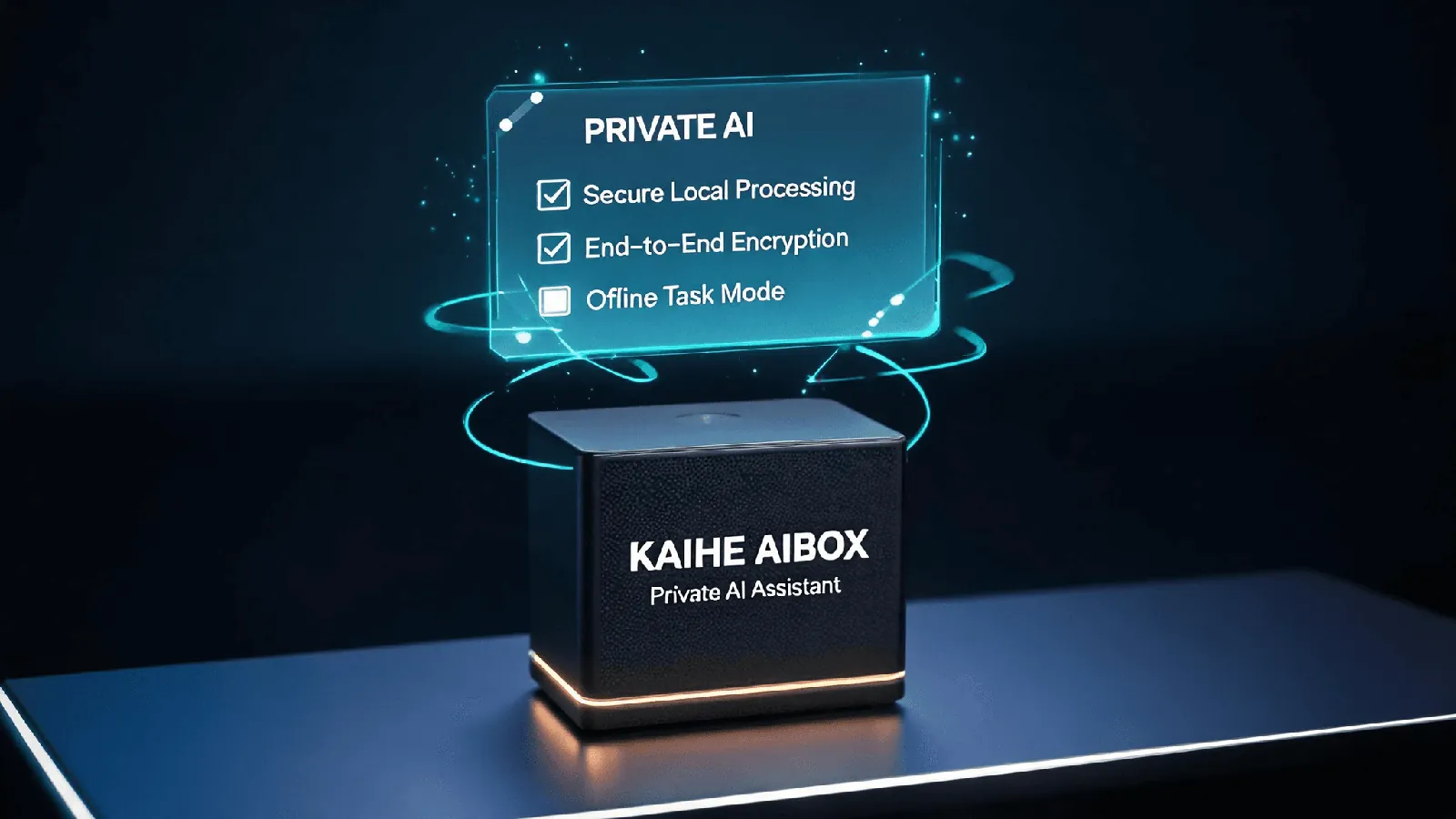
A machine built to run agents. Not your work laptop, and not the vendor's data centre. A device that exists for this one job.
To check whether it is real, ask four questions. Only the first one requires you to do anything.
Does it still work with the network cable pulled out. This is the hard test. Unplug once and you know; if you cannot demonstrate it, it is not there.
Is it there when you are not. A dedicated machine does not borrow your work computer and does not occupy your phone, so it can stay on.
Did anything ever leave the box. Not whether it would upload, but whether uploading is even a step.
Is the compute yours alone. No per-token billing, no queue behind other customers.
The third question is the easiest to blur, which is why you verify it with the first.
The four are not a ranking, they are a fit
This part matters, otherwise the whole thing turns into a sales pitch.
If you ask a question now and then and write the occasional draft, chat AI is enough and there is nothing to set up. If you edit documents and build reports on a computer every day, office AI earns its place because it sits right next to your files. If you need it available at any hour, want the newest model, and are comfortable with data going to the cloud, cloud AI is the least trouble.
The fourth tier is not for everyone. Its useful range is narrow: you need something watched around the clock, and the material involved cannot leave the room. Both conditions together justify a dedicated machine. With only one of them, the earlier tiers will do.
What it does not do
The fourth tier is not a stronger model. Model capability still belongs to the vendors. What changes is where it runs and who owns it, not whether you have swapped one model for a better one.
Local does not mean cheaper either. Cloud bills by usage, so light use costs little. Local costs hardware up front plus electricity, and the less you use it, the worse that trade gets.
And a dedicated machine is yours to maintain. Power cuts, network outages, a dead drive, all of it is your problem, and nobody is on call for you.
Which is where we come in. KAIHE AIBOX(铠盒AIBOX)is one device in that fourth tier: a machine built to run agents, with OpenClaw and Hermes preinstalled, plugged in and ready, drawing 10W so it can stay on, keeping files and records inside the box. It does not answer which model is strongest. It changes the answers to the three questions: can it act, where does it run, and whose machine is it.