Google A2A Protocol: Teaching AI Agents to "Speak the Same Language"
📖 Glossary
AI Box (also known as Agent Computer / Agent PC), is a dedicated local hardware device that runs AI Agents. Pre-installed with an AI agent management system, plug-and-play, running 24/7. Users can remotely command AI to work via Discord, Slack, Telegram, WhatsApp, and more.
When Google quietly open-sourced A2A (Agent-to-Agent) in April 2026, most people scrolled past. But for anyone building multi-agent AI systems, this was the TCP/IP moment for the agent era.
The Tower of Babel Problem
Today's AI agent ecosystem is a fragmented mess. OpenAI's plugins speak one language. Anthropic's MCP defines another. Every AI platform has its own "dialect."
The result? A customer service agent built with Claude can't automatically hand off a ticket to a GPT-powered fulfillment agent. You have to write glue code—lots of it.
A2A aims to fix exactly this.
Four Pillars of A2A
The protocol doesn't tell agents how to think—it defines how they talk:
1. Task Cards: Every agent publishes a manifest: "I handle returns, tracking, and product inquiries." Any other agent can read it and know what this one does.
2. Task Lifecycle: Submit → Queued → In Progress → Done/Failed. Full status tracking. You can check progress like a delivery tracking number.
3. Streaming Communication: Results come incrementally. Agent B works while Agent A watches progress in real time.
4. Multimodal Data Passing: Text, images, audio, video—all flow between agents without format restrictions.
A2A vs MCP: Not Competitors, Complementary
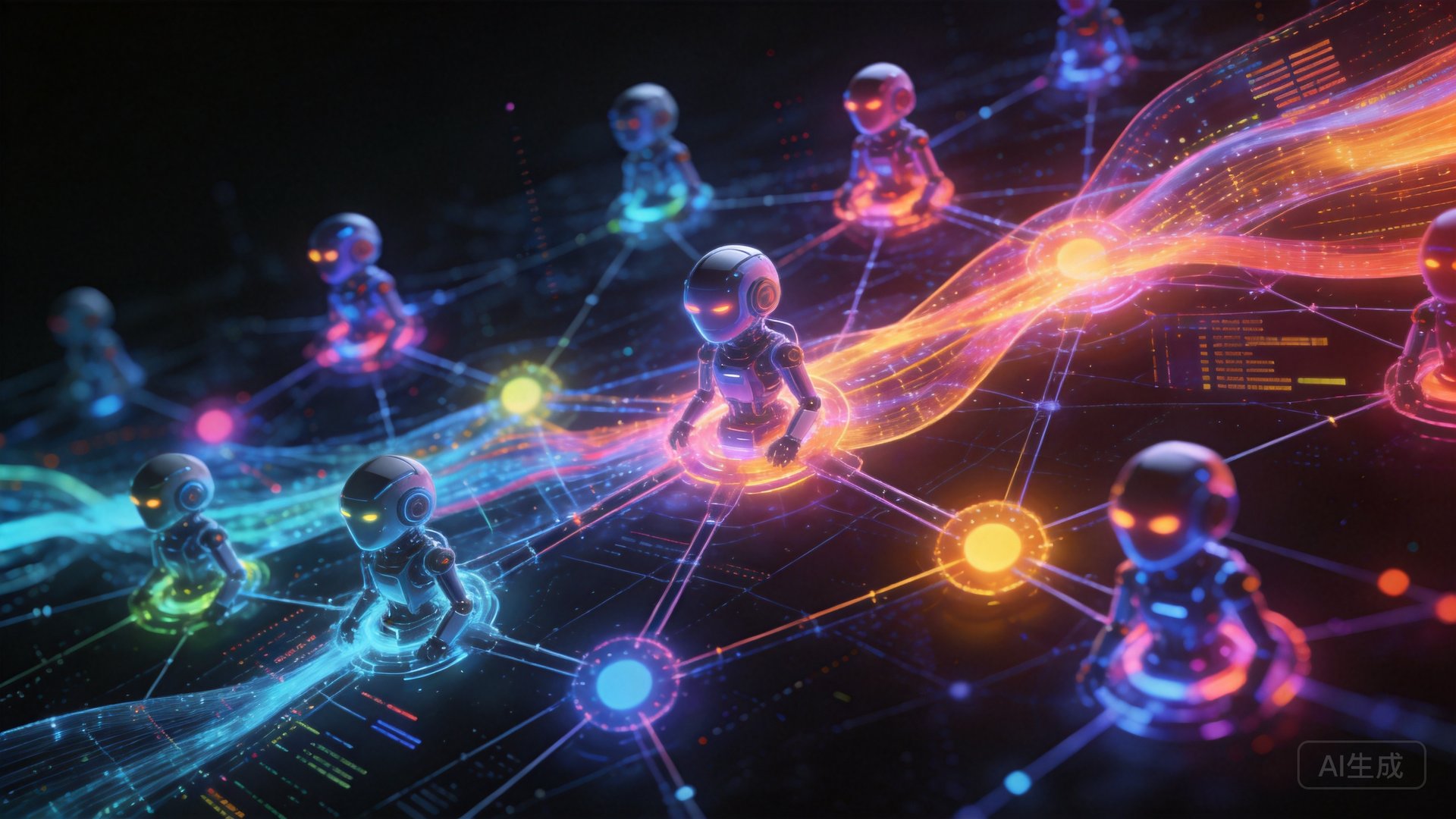
A common question: if Anthropic already has MCP, why do we need A2A?
Because they solve different problems: - MCP = Agent ↔ Tool: Letting an agent call APIs, read files, query databases - A2A = Agent ↔ Agent: Letting agents collaborate, delegate, and hand off tasks
Think of MCP as "hands"—enabling one agent to manipulate the outside world. A2A is the "mouth"—enabling agents to communicate and negotiate with each other.
Why OpenClaw Users Should Care
The OpenClaw community is already building A2A adapters. The match is natural: OpenClaw's multi-agent orchestration was practically designed for a protocol like this.
On a KAIHE locally-deployed agent computer running OpenClaw: - Deploy a "Research Agent," "Content Agent," and "Publishing Agent" on the same device - Let A2A handle task negotiation between them - All data stays local—zero privacy concerns
This isn't an AI assistant. It's an AI team.
Bottom Line
A2A might not make headlines today. But five years from now, we'll look back and recognize it as the first real infrastructure standard of the agent era. Understanding it early pays dividends.
OpenClaw + A2A + local KAIHE deployment: a quiet, future-proof combination.