GPT-5.5 Tested: How Much Did Factual Accuracy and Visual Reasoning Actually Improve?
📖 Glossary
AI Box (also known as Agent Computer / Agent PC), is a dedicated local hardware device that runs AI Agents. Pre-installed with an AI agent management system, plug-and-play, running 24/7. Users can remotely command AI to work via Discord, Slack, Telegram, WhatsApp, and more.
Abstract: GPT-5.5 has been out for two months. Benchmarks are everywhere. But what ordinary people care about: does it make things up less? How good is it at understanding images? And can you afford to use it? We tested these three questions.
Factual Accuracy: Improved, but Don't Expect It to Never Lie
The improvement in factual accuracy in GPT-5.5 is real. We tested the same set of fact-checking questions on GPT-5 and 5.5. The gap is roughly 15-20%.
The specific behavior: when faced with an ambiguous question, 5.5 is more likely to say "I'm not sure" rather than fabricate a plausible-sounding answer. This change matters more than benchmark numbers.
But don't get the wrong idea — it still makes mistakes. We tested a news event from May 2026. GPT-5.5 confidently gave a very plausible description — but the date was wrong, and the details didn't match. It makes fewer errors than previous versions, not zero errors.
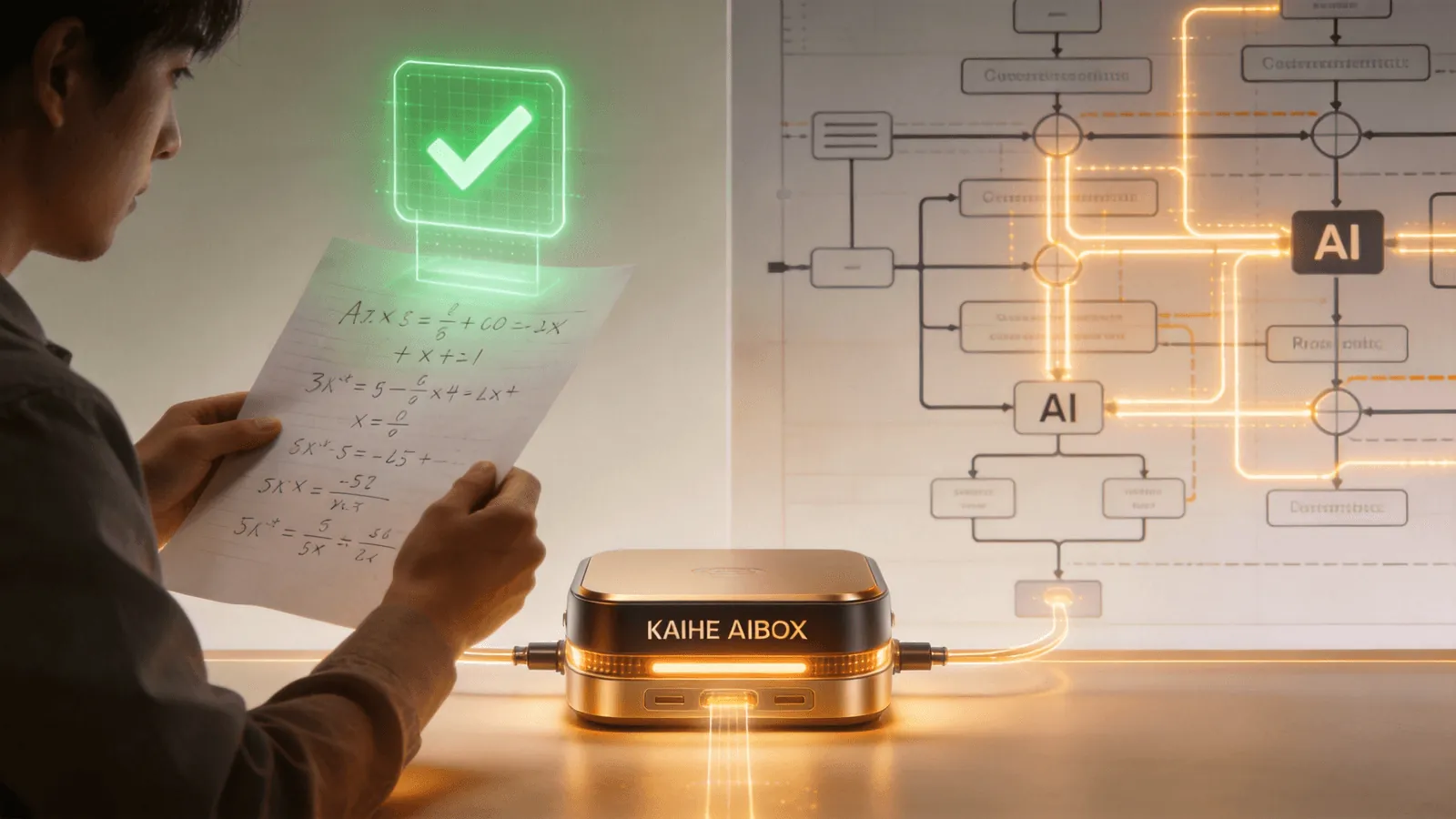
If you use AI for factual information, 5.5 is more trustworthy than earlier versions. But you still need to verify.
Visual Reasoning: Better at Understanding Images, but Still Struggles with Precise Data
Visual reasoning was one of the highlighted upgrades. We gave it several images:
A handwritten math problem — GPT-5.5 correctly identified it and provided solution steps. GPT-5 often got stuck or misidentified at this step.
A flowchart — 5.5 accurately described the logic and even pointed out a logical flaw in the diagram. This capability has significant practical value for users who need to analyze charts, drawings, or workflows.
But we also tested a data visualization with bar and line charts, asking it to extract numbers and summarize trends. 5.5 got the general direction right but still made errors on precise numbers — there's a gap between what it "sees" and the actual pixel-level data.
Conclusion: image understanding is noticeably better, but for scenarios involving precise data, human review is still necessary.
Can Ordinary People Afford It: API Prices Dropped, but High-Frequency Use Is Still Expensive
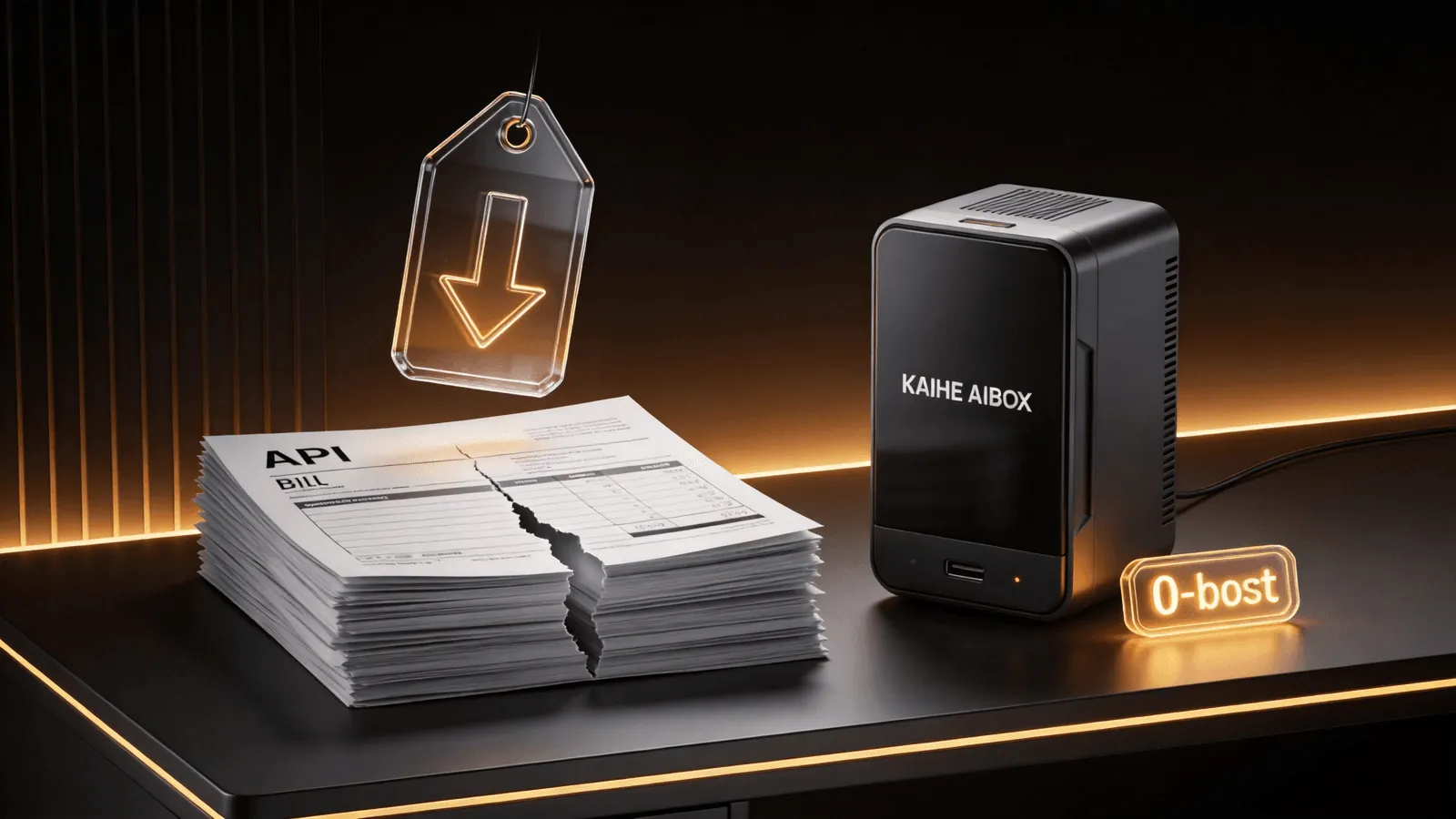
GPT-5.5's API pricing dropped significantly from GPT-5. Input token costs are down about 40%, output down about 30%.
That's a substantial cut. For a small team calling a few thousand tokens daily, the monthly bill might drop from ¥3,000 to ¥1,800.
But if you're an individual user paying per conversation, you won't notice much difference. A typical conversation costs a few dozen cents either way — the gap between GPT-5 and 5.5 is negligible at that scale.
The real beneficiaries are product teams. Lower API costs mean the cost barrier to building features with GPT-5.5 is lower. More small products can now make economic sense.
Kaihe AIBOX takes a different approach: Hermes Agent runs locally. Routine instruction parsing, task scheduling, and data processing happen on-device. It only calls cloud APIs when large model capabilities are actually needed. This means most operations don't consume cloud tokens — only scenarios requiring heavy inference generate API costs. Compared to a fully cloud-based solution, call frequency drops significantly, keeping costs naturally manageable. It's the difference between "call on demand" and "send everything to the cloud."
Verdict: Should You Upgrade
GPT-5.5 does show real improvement in factual accuracy and visual reasoning. The shift toward "admitting uncertainty when uncertain" suggests the model is moving in a "trustworthy" direction.
But if you're an individual user, GPT-5 is good enough. The improvements in 5.5 aren't compelling enough to justify an urgent upgrade.
If you're an enterprise user, the combination of lower API prices and improved capabilities makes this a good time to build AI into your product.
If you don't want to worry about API bills and rate limits, a local solution like Kaihe AIBOX is worth considering. One-time investment, long-term use, data stays secure, no surprise bills.
-#KaiheAIBOX #AIAgent #OpenSource #ArtificialIntelligence #GPT55 #ModelTest #APIPricing #AIAffordability
Kaihe AIBOX | The Personal Agent Computer That Works for You 24/7 · AI Frontier