Hermes Autonomous Decision-Making: When Should an Agent Act and When Should It Ask
📖 Glossary
AI Box (also known as Agent Computer / Agent PC), is a dedicated local hardware device that runs AI Agents. Pre-installed with an AI agent management system, plug-and-play, running 24/7. Users can remotely command AI to work via Discord, Slack, Telegram, WhatsApp, and more.
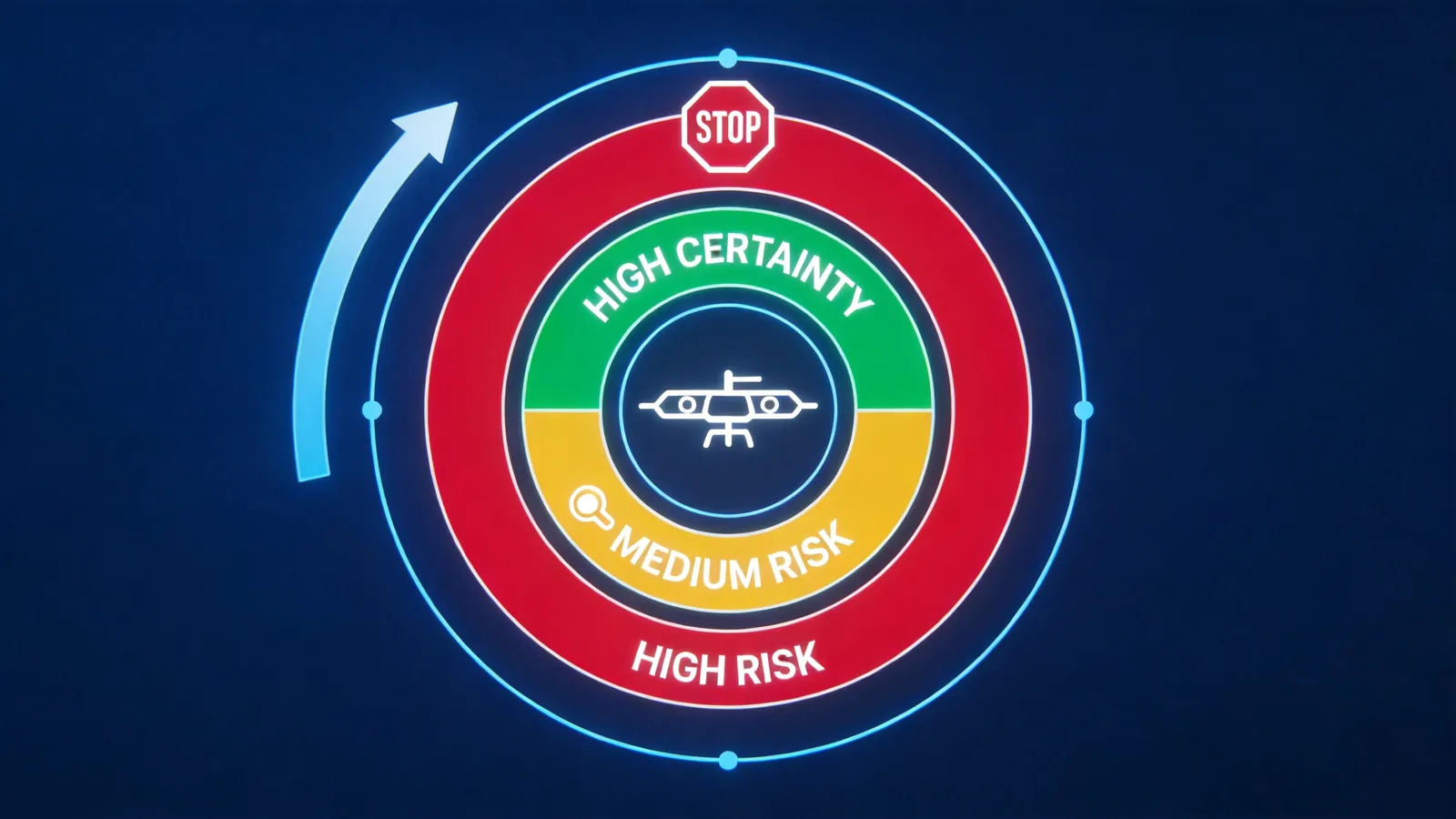
I've watched plenty of agents fail, and the failures come in two flavors: acting without asking when they should have checked, and asking endlessly when they should have just gotten on with it. The user gets annoyed and shuts the whole thing down. Both problems share the same root cause — the agent doesn't know when to make decisions autonomously and when to pause and seek confirmation.
Hermes implements a decision threshold mechanism. The logic: when an agent receives a task, it evaluates three dimensions — certainty, risk, and irreversibility. High certainty + low risk: execute directly. Low certainty or medium risk: query the knowledge base first; if no answer found, ask the user. High risk or irreversible: unconditionally halt and request confirmation.
Concrete scenarios: High certainty — send a templated notification to a group, check today's schedule, export yesterday's data to CSV. These are deterministic outcomes; even if wrong, easy to undo. Low certainty but low risk — draft an email, outline a report, brainstorm product names. The agent generates first, the user confirms direction, then it expands.
The tricky category is irreversible operations. Deleting files, sending emails with attachments, modifying database records, clicking "confirm order" — anything with physical consequences. Hermes triggers a mandatory confirmation flow for these, but it doesn't just pop up "Are you sure?" It presents the decision rationale and potential consequences: "I'm about to delete Folder A, containing three files, last modified on May 3, May 7, and May 12. If I delete by mistake I can help you restore, but you'll need to manually verify the target files. Continue?"
Three months of running this mechanism has produced two clear observations. First, user trust is rising — not because the agent does more, but because it asks the right questions. Early feedback was "this agent does nothing, asks me about everything." Now it's "this agent is reliable — handles routine stuff on its own, and only comes to me when it genuinely needs confirmation." Second, manual intervention frequency is declining. Not because the agent needs less oversight — because every human intervention becomes training data, improving the agent's judgment next time it encounters a similar situation.
The core insight: agent autonomy isn't about being maximally independent or maximally cautious. It's about doing the right thing at the right moment. This threshold system isn't a one-time configuration — it requires continuous tuning based on actual usage data. Scenarios that felt like "asking too much" in month one might become "asking too little" by month three. Dynamic adjustment is the whole game.