Hermes Desktop Hits 5,600 Stars: The Agent Desktop Revolution Behind a 3D Avatar
📖 Glossary
AI Box (also known as Agent Computer / Agent PC), is a dedicated local hardware device that runs AI Agents. Pre-installed with an AI agent management system, plug-and-play, running 24/7. Users can remotely command AI to work via Discord, Slack, Telegram, WhatsApp, and more.
Summary: In May 2026, Hermes Desktop surpassed 5,600 GitHub stars. For an Agent desktop client, this number goes beyond "toy" territory. It doesn't solve the "one more interface" problem — it solves Hermes Agent users' most real pain point: you don't want to SSH into vim every time you edit MEMORY.md. This article breaks down Hermes Desktop's product logic, user scenarios, and its position in the Agent toolchain.
1. What Does 5,600 Stars Mean?
Hermes Desktop is a macOS native desktop client for Hermes Agent. Launched in early 2026, it reached 5,600 stars by May. For a "desktop shell for an Agent," this growth rate proves genuine demand.
For context: Hermes Agent itself has 48K+ stars globally. Desktop is an ecosystem extension. 5,600 stars isn't a blockbuster, but it proves "developers are willing to star a good Agent client."
2. What Pain Point Does It Solve?
Hermes Desktop's positioning is precise — not rebuilding an Agent engine, but solving the friction Hermes Agent users experience daily:
- Developing on Mac, Hermes runs on a remote VPS → editing MEMORY.md requires SSH and vim — painful
- Viewing session history → requires typing long SQL commands
- Editing SKILL.md → manual scp upload and download
- No graphical interface → API Key management via command line
Hermes Desktop connects to remote hosts via SSH, turning Hermes workflows into a local development environment on Mac. No gateway API dependency, no local file mirroring, no auxiliary services on the remote host.
3. The 3D Avatar Isn't Just for Show
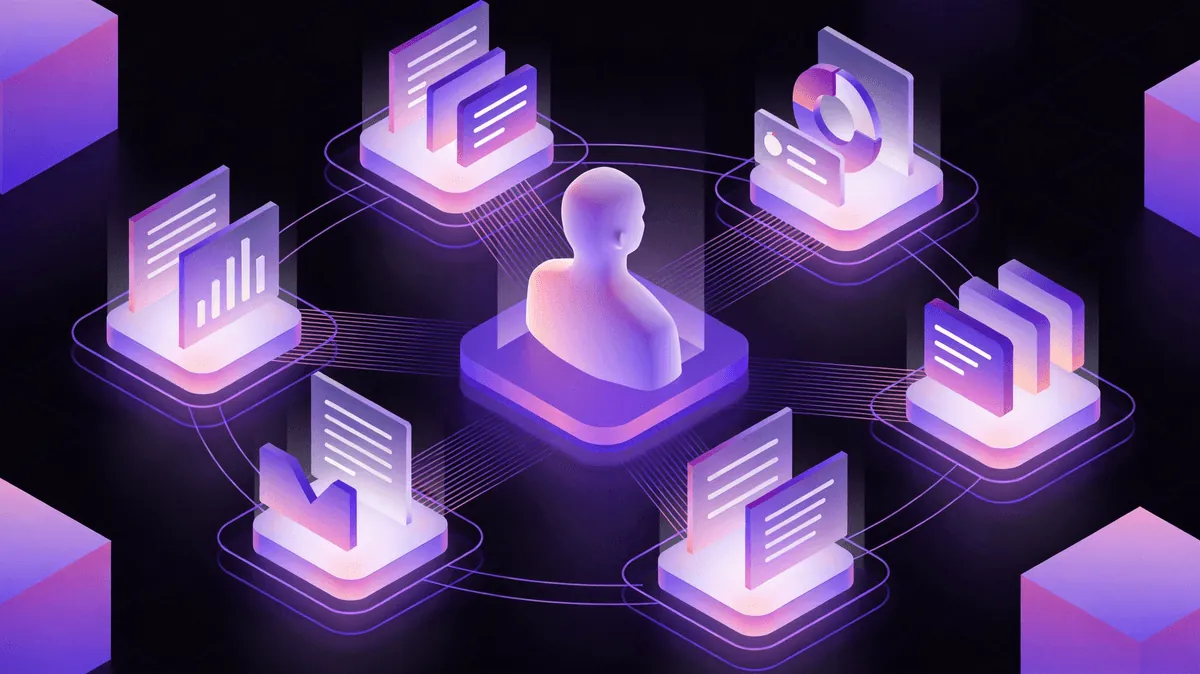
Hermes Desktop's most eye-catching feature is its 3D digital human avatar. This isn't a gimmick — it's the embodiment of Agent interaction evolving from "command-line output" to "multimodal interaction."
When an Agent has a "face," users more naturally treat AI as an assistant rather than a tool. The design philosophy aligns with KaiheAiBox's Agent Computer: lower the barrier to using Agents so that "people who can't code" can still interact directly with AI.
Key insight: Giving an Agent a "face" isn't for showing off — it's for making people believe: what's on that screen is an assistant you can trust with tasks.
KaiheAiBox| Agentaibox that lets AI work for you 24/7· Hermes Zone