ChatGPT Is Adding Ads: What It Means For Regular Users
📖 Glossary
AI Box (also known as Agent Computer / Agent PC), is a dedicated local hardware device that runs AI Agents. Pre-installed with an AI agent management system, plug-and-play, running 24/7. Users can remotely command AI to work via Discord, Slack, Telegram, WhatsApp, and more.
Summary: ChatGPT officially announced it will start placing ads in the chat interface, sparking global debate among users. From paid subscriptions to ad monetization, the business logic of cloud AI is fundamentally changing. This article breaks down the real impact of the ad model on regular users, and why more people are moving AI capabilities back to local devices.
OpenAI recently confirmed it will begin displaying advertisements in the free version of ChatGPT, with the first wave of ads appearing in travel, shopping, and other commercial query results. The news immediately sparked discussion: the AI product that once promised not to exploit user attention has ultimately followed the same free-with-ads internet model.
Many users think it's just a few ads, no big deal. But AI products adding ads is fundamentally different from regular content platforms adding ads. When AI starts recommending ads, can its answers remain neutral? Will your conversation data be used for ad targeting? When ads become the main revenue source, will the free user experience decline?
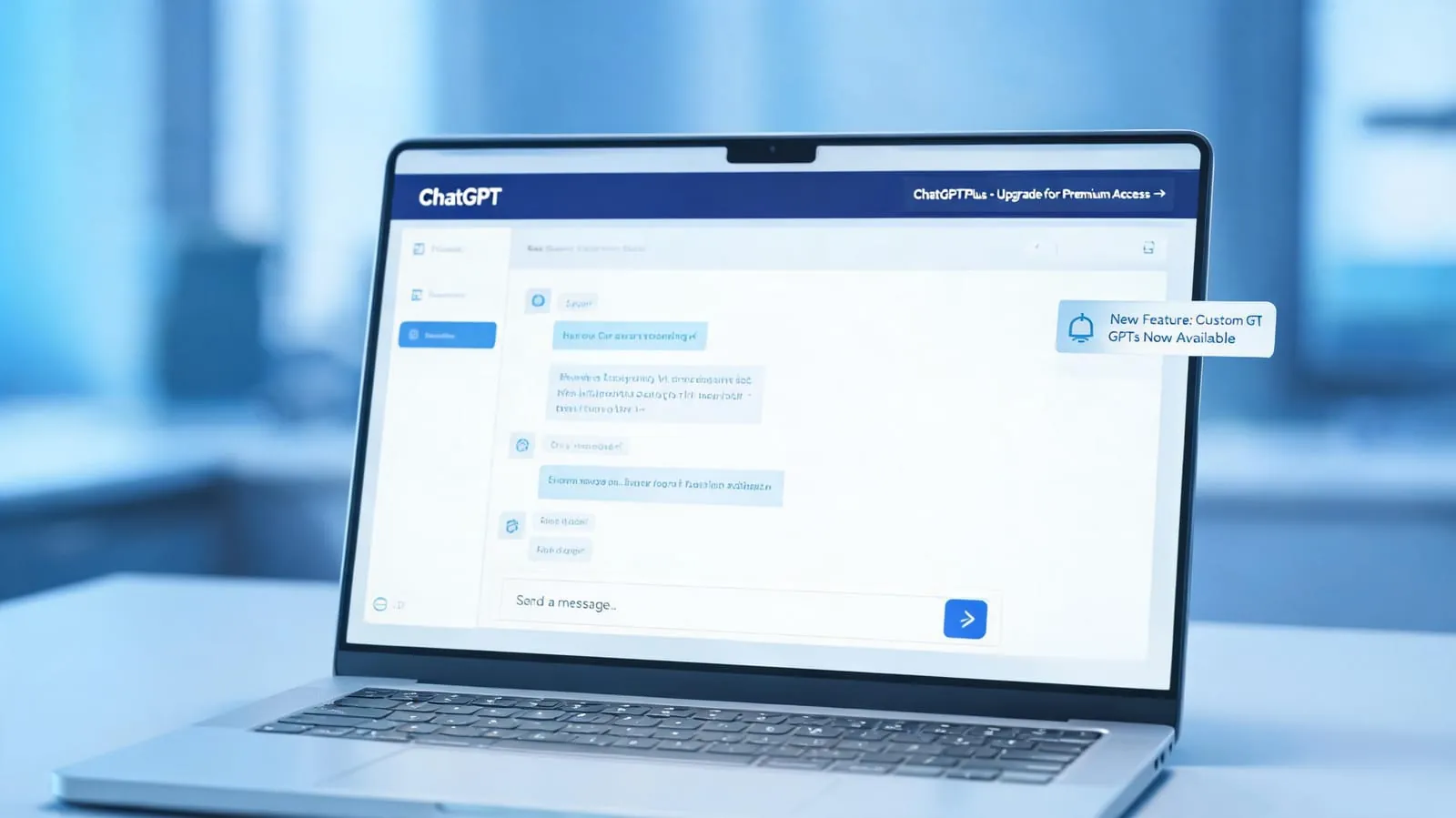
Four Changes That Directly Affect You When Ads Arrive
First, AI answer neutrality will be challenged. When you ask which brand of headphones is good, if a brand advertises, will the AI prioritize recommending it? Search engine ads at least have an Ad label; AI conversations are continuous natural text where ads blend into real answers, and users cannot tell which recommendations are objective and which are paid.
Second, conversation data will become ad targeting material. Cloud AI already collects all conversations for user profiling; with ads, data commercial value is directly monetized, giving platforms greater incentive to collect every word you say, making ad targeting more precise and your privacy more transparent.
Third, the free experience will almost certainly degrade. All internet products follow the same path: free no ads to attract users → add ads at scale → more ads → experience declines forcing premium upgrades. ChatGPT has already taken the first two steps; the free version will likely see longer ads, more perfunctory answers, and even rate limiting pushing users to pay.
Fourth, even paid users may not be safe. Officials say Plus members won't see ads for now, but the business logic is clear: when ad revenue becomes the main pillar, soft placements and branded answers will appear sooner or later. For public companies, shareholder interests always take priority over user experience.
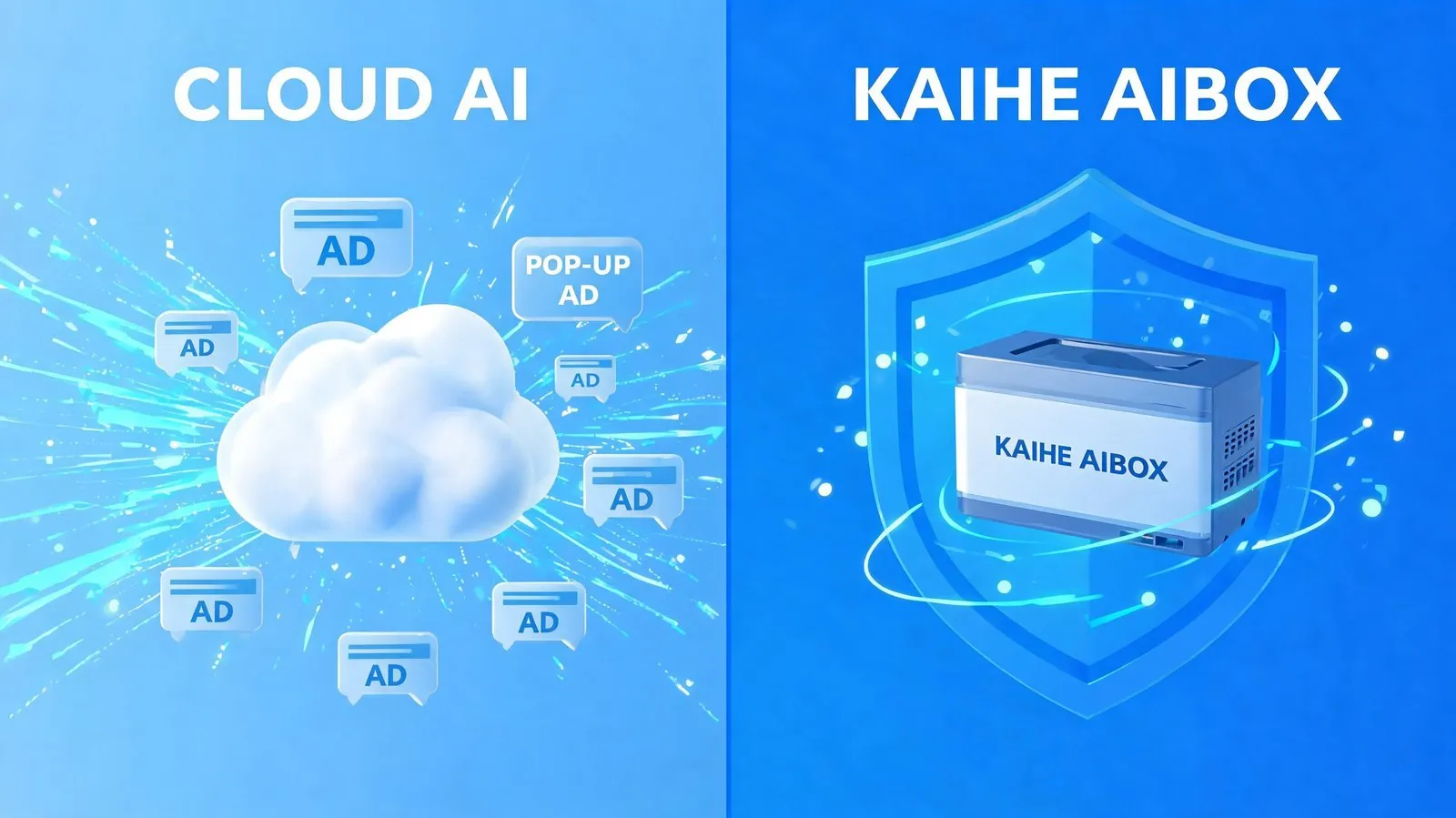
This is not unique to ChatGPT — it is the inevitable trend for all cloud AI services. Running large models is extremely expensive; subscriptions alone barely cover computing costs, so either prices rise, ads are added, or both. Over the past two years we have seen round after round of price increases, feature cuts, and usage limits; ads are just the next stage.
Many people don't realize it: when you use cloud AI, you are not the customer — you are the product. Your attention, conversation data, and consumption decisions are all monetizable assets. Platforms raise prices, add ads, or shut down services whenever they want, and you have no choice.
| Comparison | Cloud AI (with ads) | Local AI (KAIHE AIBOX) |
|---|---|---|
| Cost | Free shows ads, paid keeps rising | One-time purchase, ~$0.50/month electricity |
| Neutrality | May contain ads, no objectivity guarantee | 100% neutral, no commercial placements |
| Privacy | Data collected for ad targeting/training | Data encrypted locally, never uploaded |
| Experience | More ads over time, free rate limited | 24/7 operation, no ads no limits |
| Stability | Vendor may raise prices/shut down/add ads | Device is yours, permanently available |
| Data Sovereignty | Data belongs to platform | Data 100% belongs to you |
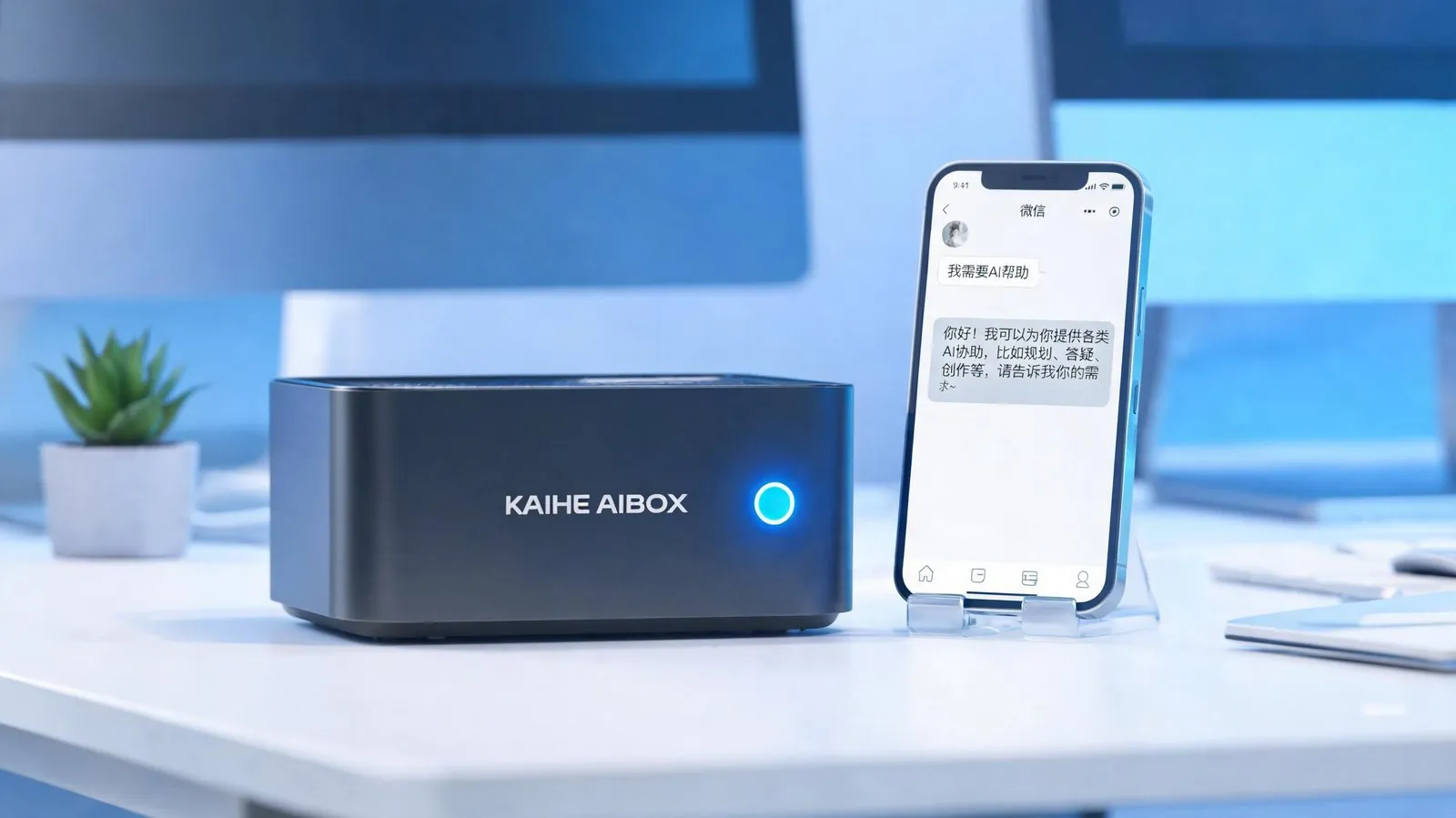
This is why more and more users have recently started moving AI back to local devices. Local agent devices like KAIHE AIBOX don't rely on any cloud services; all AI computation runs locally in your home. It won't push ads, collect conversation data, or suddenly raise prices. Plug it in, control it via WeChat, and for about $0.50 per month you get an AI assistant completely yours, forever neutral, working for you 24/7.
As cloud AI moves toward ad monetization and degraded experiences, local AI has become the purer, more reliable choice. A tool should be a tool: you buy it, bring it home, and it belongs to you, listening only to your commands and working only for you.
Further Reading: - What is KAIHE AIBOX? Complete Guide to Use Cases - How Does Local AI Box Keep Running When Your Computer Is Off? Explained - The 5 Unavoidable Flaws of Cloud-Based AI: Why More Users Are Moving AI Back to Local Devices
KaiheAIBOX #ChatGPT #AIAds #LocalAI #CloudAI #IndustryInsights
For more information, search [KAIHE AIBOX] or contact: [email protected]
KAIHE AIBOX · 7x24 Personal AI Assistant | Industry Insights