📖 Glossary
AI Box (also known as Agent Computer / Agent PC), is a dedicated local hardware device that runs AI Agents. Pre-installed with an AI agent management system, plug-and-play, running 24/7. Users can remotely command AI to work via Discord, Slack, Telegram, WhatsApp, and more.
Summary: On the same day, ByteDance's Doubao and Alibaba's Qianwen almost simultaneously announced the shutdown of their agent platforms. The AI assistant you spent months training—gone with a single notification. This reveals a question most cloud AI users are afraid to face: Who actually owns the AI you built?
July 4, 2026.
ByteDance's Doubao and Alibaba's Qianwen, as if coordinated, notified users on the same day: agent features are being discontinued. Please migrate your data manually.
Comments exploded.
"I spent three months training my AI assistant, and it's just... gone?" "How do I back up hundreds of conversation threads?" "Is Kimi next? What about Yuanbao?"
This incident brings to the surface a question most AI practitioners avoid answering: Who owns the AI you've spent time building?
Three Things to Understand First
You're Not Just Training AI—You're Building Digital Muscle Memory
If you only casually use AI for some research or writing, platform shutdowns don't really affect you. Just switch tools.
But if you've seriously trained your AI—taught it your preferred tone, had it memorize industry terminology, embedded your company's SOP workflows—you're not just losing a tool. You're losing months of accumulated "digital muscle memory."
It's like having your year-long journal confiscated. The words were stored on their servers, but the thinking patterns, habits, and expression style behind those words belong to you. The platform says goodbye, and you can't even get a backup file.
This Isn't Alarmism—It's Just the Beginning
Many people's first instinct is "just switch to another platform."
But here's what's genuinely scary: you don't know who's next.
Doubao and Qianwen are the first batch, not the last. Yuanbao, Kimi, Tongyi—their agent features are also free and burning cash. When subsidies end, teams pivot, or business priorities shift, the next "discontinuation notice" won't even surprise you.
This isn't a technology problem. It's a business model problem. Free lead-generation products don't last.
Something You Haven't Realized: Your Data Was Never Yours
Every cloud AI platform—Doubao, Qianwen, Yuanbao, Kimi—stores your data on their servers. You have usage rights, not ownership rights.
Let's be blunt: when they shut down, your only option is taking screenshots.
The Core Insight: Cloud AI Is Rented. Local AI Is Owned.
This situation isn't about Doubao or Qianwen being "unreliable." It's about the fundamental logic that ALL cloud AI services share:
- What you use for free is a company's lead-generation product
- A lead-gen product's lifespan depends on corporate strategy, not your needs
- Your data, configurations, and memory all live on someone else's hard drive
A rented apartment—when the landlord decides to sell, you move out. It has nothing to do with the landlord's character. It's about property rights.
So the answer is simple: if you want an AI that truly belongs to you, it must run on your own hardware.
Three Alternatives. Only One Answer.
Option A: Move to Yuanbao or Kimi (Symptom Treatment)
Lowest cost: register a new account, spend 30 minutes copying your prompts over. Your AI "appears" to be back.
Pros: Zero cost, three minutes to set up. Cons: You just switched boats. When this one sinks depends on the captain's mood.
Yuanbao and Kimi have friendly free agent policies today. Tomorrow? If you're okay with an annual AI relocation, this works.
Best for: Light users who occasionally search or write, haven't invested much in personalization.
Option B: Set Up Your Own Cloud Server (Halfway)
Rent a cloud server, install a model framework, deploy it yourself.
Pros: High freedom, choose any model, won't be abruptly shut down before your subscription ends. Cons: Need Linux, Docker, Nginx skills. Monthly fees from ¥200 to ¥1000+. Troubleshoot issues yourself. And—your data is still on someone else's machines, just a different "landlord."
Best for: Technical users with budget and maintenance willingness.
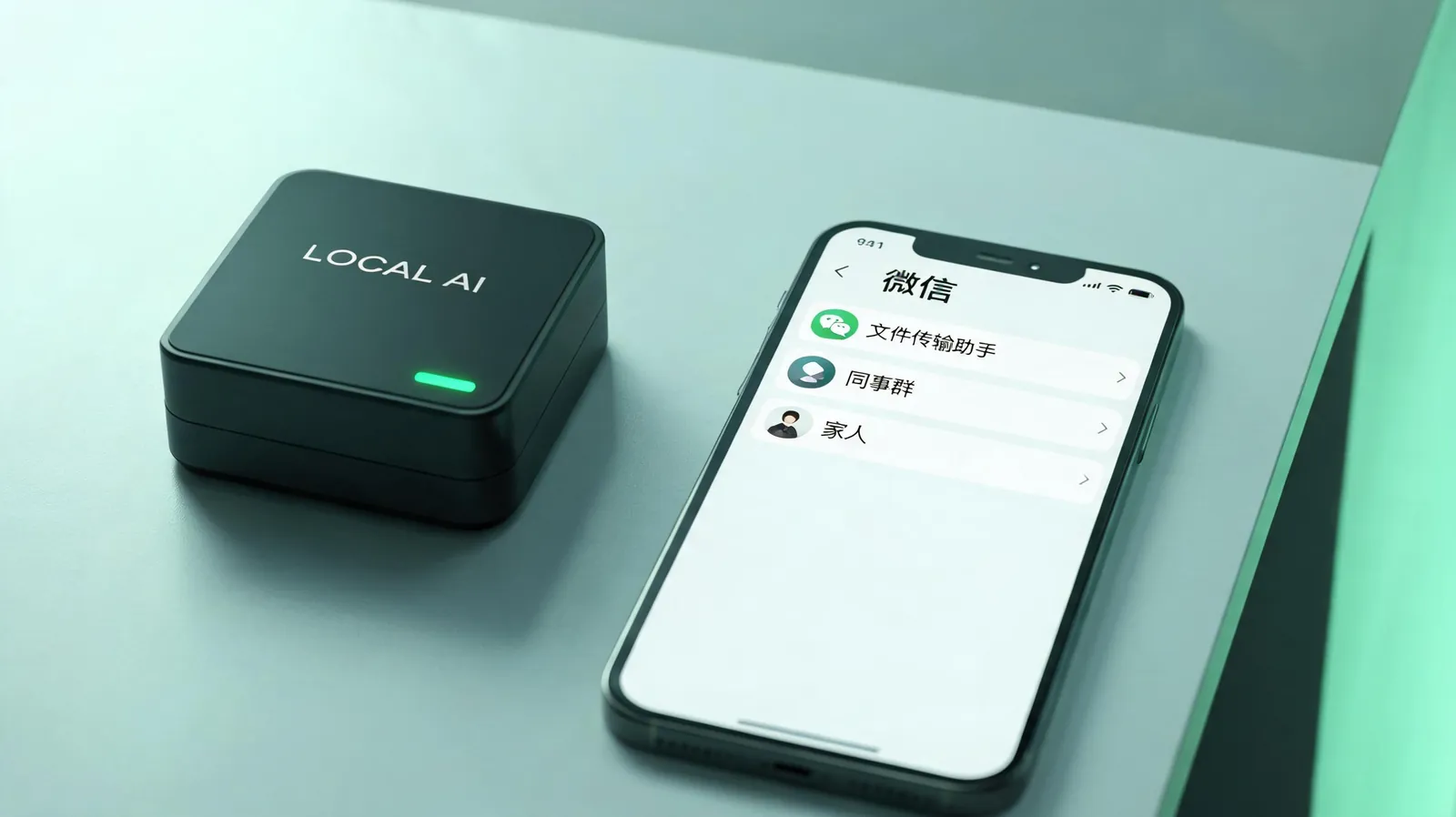
Option C: Kaihe AIBOX—Put AI in Your Own Box
This is the root solution.
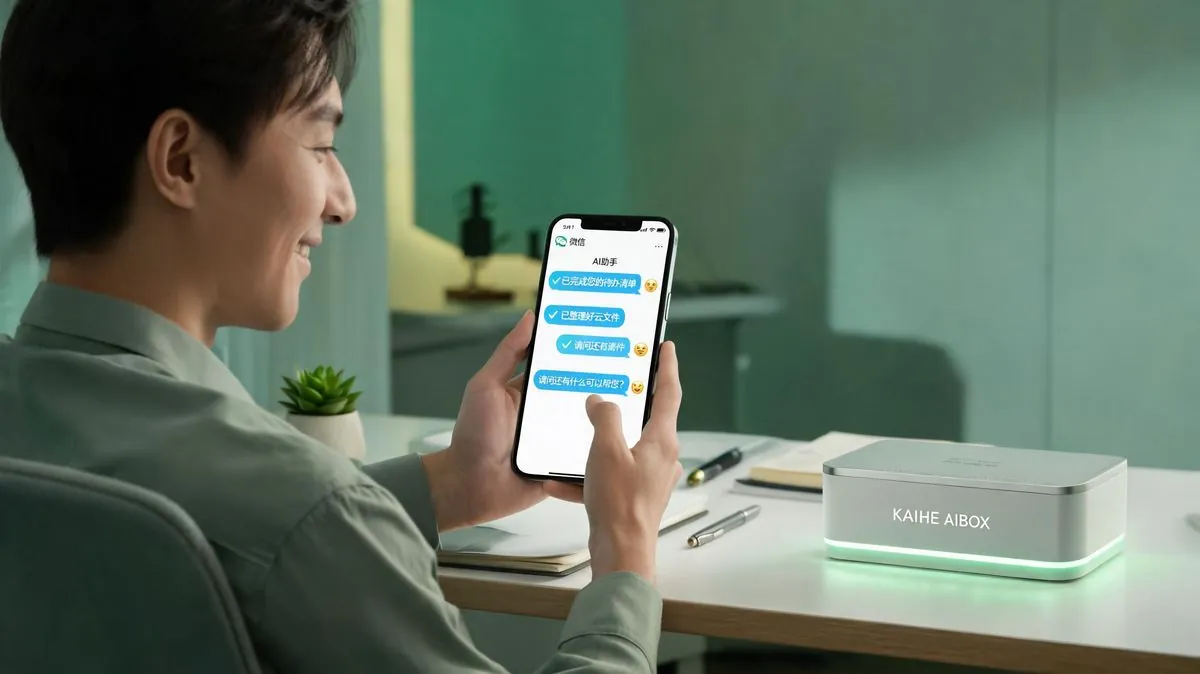
Kaihe AIBOX is a palm-sized local AI hardware device. Plug it in, connect to Wi-Fi, bind with WeChat QR code, install an AI model. Then send commands via WeChat, and it executes automatically—researching, monitoring competitors, drafting reports, tracking markets—pushing results back to your WeChat.
Why it's the answer:
- AI runs in your box, never touching any cloud server. Doubao and Qianwen may shut down. Your AIBOX won't.
- WeChat-native control. No new app required. Open WeChat, send a message. That's the entire interface.
- One-time hardware. Zero monthly fees. No "subsidy ending, prices going up" problem.
- Agents auto-execute on schedule. Not a "you-ask-I-answer" chatbot. Set a task, AI runs it on time, pushes results to you.
Analogy: cloud agents are renting—monthly payment, landlord can evict anytime. Kaihe AIBOX is buying your own house, changing the locks, keys in your pocket.

Head-to-Head Comparison
| Switch Platform | Self-Host Cloud | Kaihe AIBOX | |
|---|---|---|---|
| Data Ownership | Platform owns it | You rent, wiped on expiry | Yours, physically |
| Risk of Shutdown | Anytime | When subscription ends | Works offline too |
| Barrier to Entry | None | Technical skills needed | Just send WeChat messages |
| Monthly Cost | Free for now | ¥200-¥1000+/month | One-time hardware, zero |
| Auto Agent Execution | No, reactive only | Set up cron yourself | Scheduled auto-run |
| Data Privacy | Goes through cloud | Goes through cloud | Runs locally, stays local |
People Are Already Taking Action
As I write this, our content pipeline already has topics like "How to migrate from Doubao/Qianwen to Kaihe AIBOX."
That in itself answers the question: where can your AI go? People are already moving.
The absurdity of the AI era: you spend months teaching an AI to understand you, help you, adapt to you—then the platform says "we're shutting down," and you can't even get an export file.
Who owns your AI?
You don't need a technical background to answer this. You don't need to understand model architectures. Remember one thing—an AI is only yours when its hard drive sits on your desk and its power cord is plugged into your wall.
3-Step Migration: From Doubao/Qianwen to Kaihe AIBOX
If you've received the shutdown notice, here's the shortest path:
Step 1: Log into Doubao/Qianwen backend, navigate to your agent settings, copy all character definitions, prompts, and conversation style descriptions.
Step 2: Open WeChat, send Kaihe AIBOX a message: "Create an agent for me," paste your configuration. It auto-generates an OpenClaw Skill.
Step 3: Set a schedule. Your agent now runs locally in the box, pushing results to your WeChat.
No command line. No Linux. No Docker. Just a few WeChat messages.
Further Reading
- Kaihe AIBOX Deep Experience: Your Personal 24/7 AI Assistant
- No Laptop Needed on Business Trips: Manage Projects via WeChat
- Qwen 3.6-27B Local Deployment Guide
Bottom Line: What Doubao and Qianwen shut down wasn't just a feature—it was a wake-up call. If your AI doesn't run on your own hardware, it was never really yours. Kaihe AIBOX puts you back in control.
Want to Learn More About Kaihe AIBOX?
Kaihe AIBOX Official: https://agentaibox.com/ Email: [email protected] Phone: 18028730817