📖 Glossary
AI Box (also known as Agent Computer / Agent PC), is a dedicated local hardware device that runs AI Agents. Pre-installed with an AI agent management system, plug-and-play, running 24/7. Users can remotely command AI to work via Discord, Slack, Telegram, WhatsApp, and more.
Summary: ARC Prize has verified Gemini 4 Argon at 97.5% on ARC-AGI-3, behind only GPT-6 Astra at 99.9%. The same report contains a second number: on the standard harness, the same model scores 49.8%. Both figures are real. What changes is not the model but the runtime underneath it. That layer is exactly what KAIHE AIBOX keeps in your hands.
What this exam actually measures
ARC-AGI-3 is the interactive benchmark ARC Prize built after ARC-AGI-1 and 2. Instead of a static puzzle, it drops an AI agent into unfamiliar games with no instructions and measures how quickly it works out the rules and finishes. In ARC Prize's own words, a perfect score means agents can beat every game as efficiently as a human.
On October 13 the organisation published verified results for Google DeepMind's Gemini 4 Argon.
Two real numbers
| Configuration | ARC-AGI-3 score | Run cost |
|---|---|---|
| Provider Adapter harness | 97.5% | about $4,800 |
| Standard harness | 49.8% | about $5,800 |
Same tasks, same model, and the standard run cost more — yet the scores sit 47.7 points apart.
ARC Prize explains the mechanism itself. The standard harness only lets a model carry forward notes it chooses to keep; the Provider Adapter harness preserves the model's reasoning state and compacts long conversations, so earlier work can be reused.
There is a second wrinkle: API problems stopped the standard runs from finishing. Of 55 games, 42 completed at low reasoning and 46 at medium, and only 19 at high reasoning — so no score was published for that setting.
Neither harness is cheating. The lesson is simpler: the same brain, with or without a runtime that remembers its own line of thought, lands 47.7 points apart.
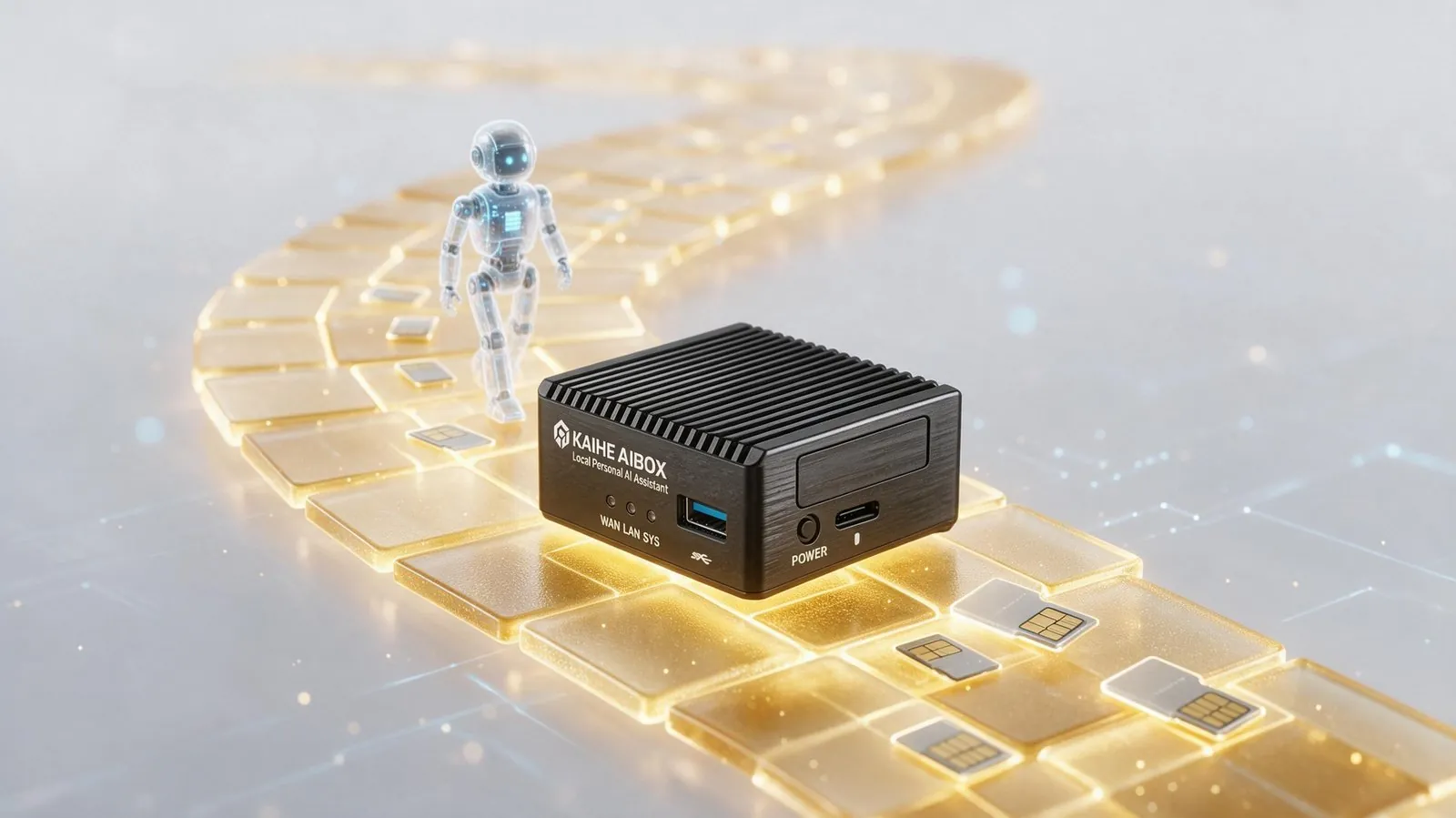
This is not an isolated case
A version of this story already played out this year. On August 20 OpenAI open-sourced Codex Harness, the execution framework behind Codex. With the same GPT-5.6 Sol model, changing nothing but the harness layer — retained reasoning plus context compaction — lifted its ARC-AGI-3 score from 13.3% to 38.3%, while cutting output tokens to roughly one sixth.
The model never changed. What changed was where it sat while it worked — which means "which model is strongest" is an incomplete question from the start.
Where things stand for Gemini 4 Argon
Google announced Argon on September 30 as its frontier model for long-horizon work: software engineering, enterprise knowledge work and defensive cybersecurity, with an output limit of 1 million tokens, up from 64,000. The wider numbers are strong: 77.9% on DeepSWE v1.1, 68% on CWE-bench v1, first place on the Vals Index, 51.3% on AutomationBench and 91.7% on LVBench.
So: a genuinely frontier model, and a benchmark score that swings 47.7 points depending on how it is run.
What KAIHE AIBOX does with that insight
Translated into something usable: models can be swapped and chased freely. The execution layer should be the one you own — always on, and able to remember its own context.
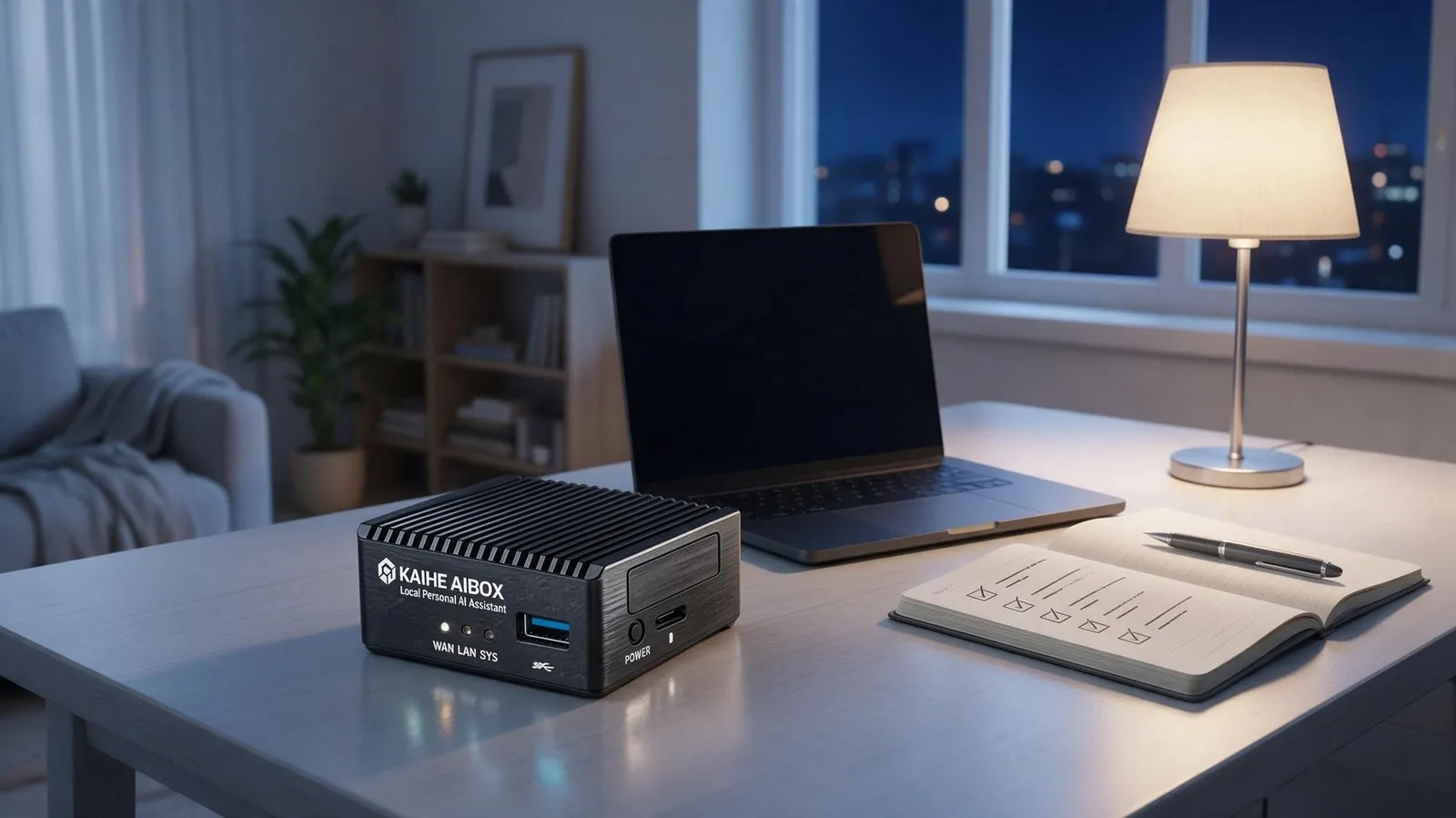
That is the design brief for KAIHE AIBOX, a dedicated Agent Computer where agents run locally and cloud models are scheduled as engines:
- Agents run locally, so task breakdown, progress and context stay on your device instead of behind a vendor's memory switch
- Cloud models are scheduled as engines, so swapping Argon for Astra tomorrow does not mean rebuilding your workflow
- It runs around the clock, independently, without occupying your computer — set a task by day and it finishes overnight
- Costs fall as you use it, because the agent schedules work, batches tasks and shifts them into idle hours rather than hammering an API call by call
Two ways of working, side by side
| Chatting with a web app or raw API | KAIHE AIBOX | |
|---|---|---|
| Who holds your context | The platform decides what stays and for how long | Stored locally, survives a model change |
| Long tasks | Only runs while you are there | Runs 24/7, including while you sleep |
| Switching models | Re-explain the background each time | Workflow stays; only the engine changes |
The takeaway
Google is the second lab past 95% on ARC-AGI-3, and the 1M output limit shows frontier models genuinely moving forward.
But 97.5% next to 49.8% is the most useful line in the whole story: half of an AI's capability lives in the model, and half lives in the runtime beneath it. You can never finish chasing models. The runtime you can decide today.
Related Reading: - Same model, a different base: OpenAI open-sourced the Codex harness - The better the models get, the more you need something to schedule them
KAIHEAIBOX #Gemini4Argon #ARCAGI3 #LocalAI #AgentComputer
For more information, search [KAIHE AIBOX] or contact: [email protected]
KAIHE AIBOX · 7x24 Personal AI Assistant | AI Frontier