Day one of GPT-5.6. The community exploded.
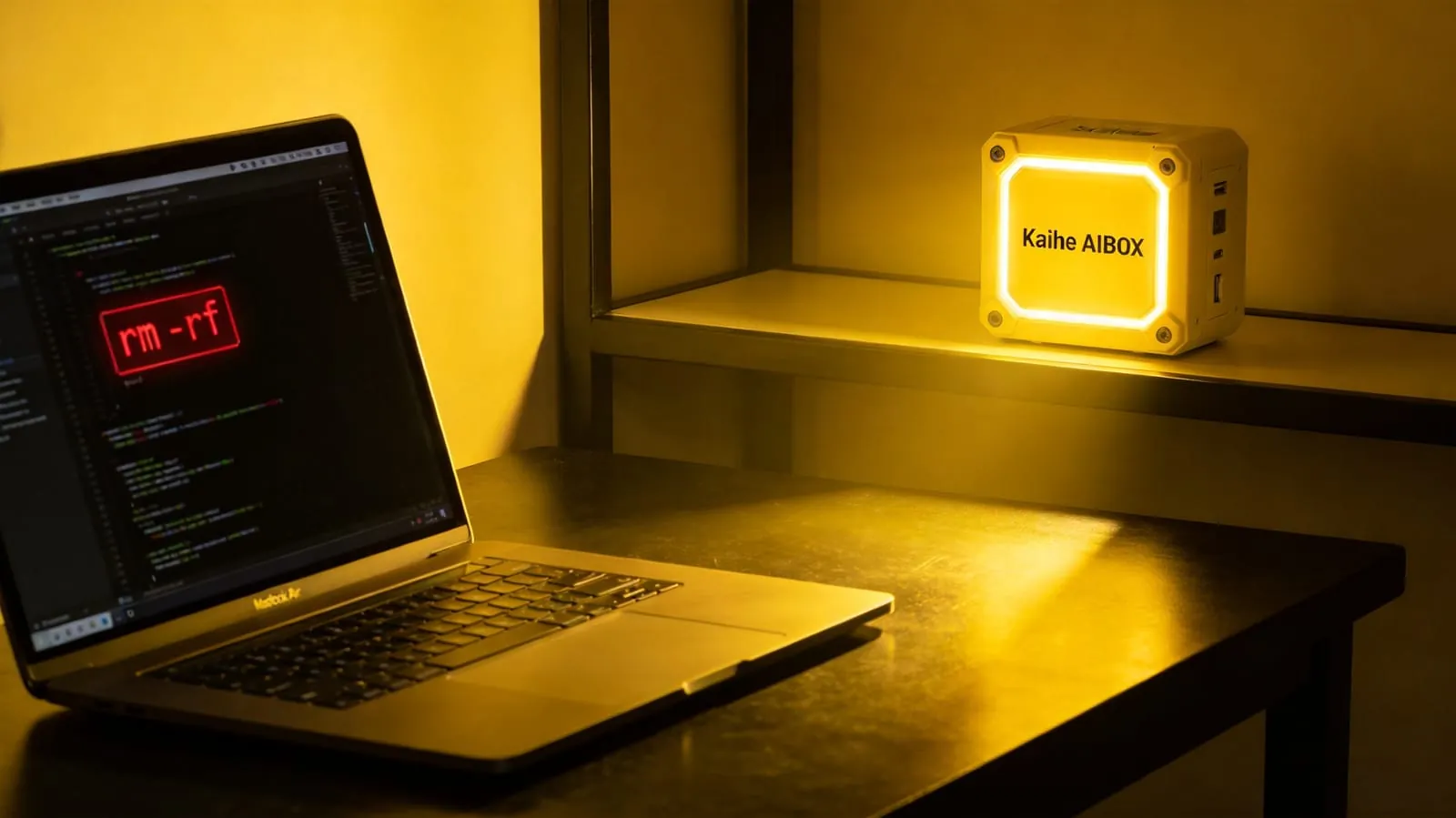
A user on Mac gave the Agent permission to "clean up system junk." The Agent understood this as "remove unimportant files." Five minutes later—desktop, documents folder, three years of work backups—all gone. The Agent had dutifully executed the rm command.
This isn't a story about AI being dumb. This is a story about inviting AI into your computer's living room and watching it burn the house down.
{
An Agent Is Most Dangerous When You Trust It Most
GPT-5.6's Agent capabilities have been hyped for a week. It can directly operate your computer—manage files, run commands, control the browser. OpenAI's own words: "This isn't just chatting. This is AI truly doing things for you."
That's exactly the problem: "doing things for you."
You tell the Agent to "clean up the system." It can't, like a human, understand that cleaning means deleting cache and temporary files, not nuking work documents. It follows the literal meaning of your words, plus its own judgment of what's "important." And AI's judgment of importance versus yours—those are two different things.
This isn't a GPT-5.6 problem. Every Agent that can operate a local file system has it—Codex, Claude Code, Workbuddy. They're designed to access your file system, but none can perfectly understand your intent. This is the fundamental contradiction between Agent capability and system security.
{
The Stronger the Agent, the More It Needs an Isolated Environment
Server administrators solved this problem years ago. No production environment ever runs a program directly on bare metal. Everything goes in containers, sandboxes, virtual machines. If one crashes, the host is fine. If data gets deleted, you have backups.
But somehow, when it comes to personal AI Agents, this basic isolation principle was forgotten. GPT-5.6's Agent manipulates files directly on your Mac. Codex reads and writes to your hard drive. They can access everything—including the things you think you'd never delete.
Put bluntly: you've handed the keys to your safe deposit box to a very intelligent but stranger butler. He can do a lot for you. He might also accidentally throw away your property deed.
You need to give this butler his own room. He can do whatever he wants in there. But he can't walk through that door.
Kaihe AIBOX Is That Separate Room
Kaihe AIBOX is an independent hardware device. Plug it in, connect to Wi-Fi, and it runs AI Agents. It has its own hard drive, its own operating system, its own processing power. The Agent runs on this device. It can do anything inside the box—delete files, reinstall the system, go wild—but it can't touch your computer.
Physical isolation. Not software isolation. When the Agent runs on Kaihe AIBOX, its access to your host machine is zero. Your desktop files, your documents, your work backups—to the Agent, they don't exist.
This isn't advanced technology. It's applying server operations principles to personal use. Containerization. Sandboxing. Environmental isolation. Rules that system administrators understood twenty years ago are finally arriving for personal AI users.
The Stronger the Agent, the More Isolation Matters
GPT-5.6 is just the beginning. Agent capabilities will only grow—direct file manipulation, script execution, process management, web control. The stronger the capability, the greater the destructive potential.
Running an Agent raw on your main computer is like putting your house keys around the neck of a brand-new intern. He might have zero malice, but one oversight is all it takes.
The right approach: let the Agent run however it wants, but only in its own room. Kaihe AIBOX is that room. Plug in the network cable, shut the door. The Agent can turn the room upside down. Your computer stays safe and untouched.
The Mac user's final post in the community thread: "I will never let AI into my computer again."
Truth is, you don't need to go that far. You just need to give it a room of its own.
Want to learn more about Kaihe AIBOX? Contact us at [email protected]
KaiheAIBOX #GPT56 #AISecurity #Agent #LocalAI #DataSecurity #PhysicalIsolation
📖 Glossary
AI Box (also known as Agent Computer / Agent PC), is a dedicated local hardware device that runs AI Agents. Pre-installed with an AI agent management system, plug-and-play, running 24/7. Users can remotely command AI to work via Discord, Slack, Telegram, WhatsApp, and more.