Kimi K2.7 Code Open Source: 30% Token Reduction, 21% Code Bench Improvement, Elon Musk Praises the Architecture Breakthrough
📖 Glossary
AI Box (also known as Agent Computer / Agent PC), is a dedicated local hardware device that runs AI Agents. Pre-installed with an AI agent management system, plug-and-play, running 24/7. Users can remotely command AI to work via Discord, Slack, Telegram, WhatsApp, and more.
Abstract: On June 12, Moonshot AI released and open-sourced Kimi K2.7 Code. Token consumption dropped 30%, Kimi Code Bench v2 scores improved 21%, and most notably, Elon Musk praised its rewrite of the residual connection architecture — a foundational design that hadn't changed in 11 years. The Chinese programming model trio (GLM-5.2 vs K2.7 vs DeepSeek-V4) is now fully formed.
Watching Chinese programming models lately feels like watching a race to the next inflection point.
On June 12, Moonshot AI released Kimi K2.7 Code. The headline numbers are clear: 30% token reduction, 21% Code Bench improvement. A routine upgrade, maybe. But there's one difference this time — Elon Musk personally praised its residual connection architecture rewrite.
When Elon Musk takes the time to comment on an architectural change, it's worth paying attention.
What Did K2.7 Code Actually Change?
Residual connections are one of deep learning's most fundamental designs. Introduced by ResNet in 2015, almost every modern neural network uses them. For 11 years, everyone basically used the same design.
K2.7 Code changed that. It's not simply "deeper and wider" — it optimized the inter-layer connections, reducing redundant computation and making information transfer more efficient through deeper networks.
The results speak in numbers:
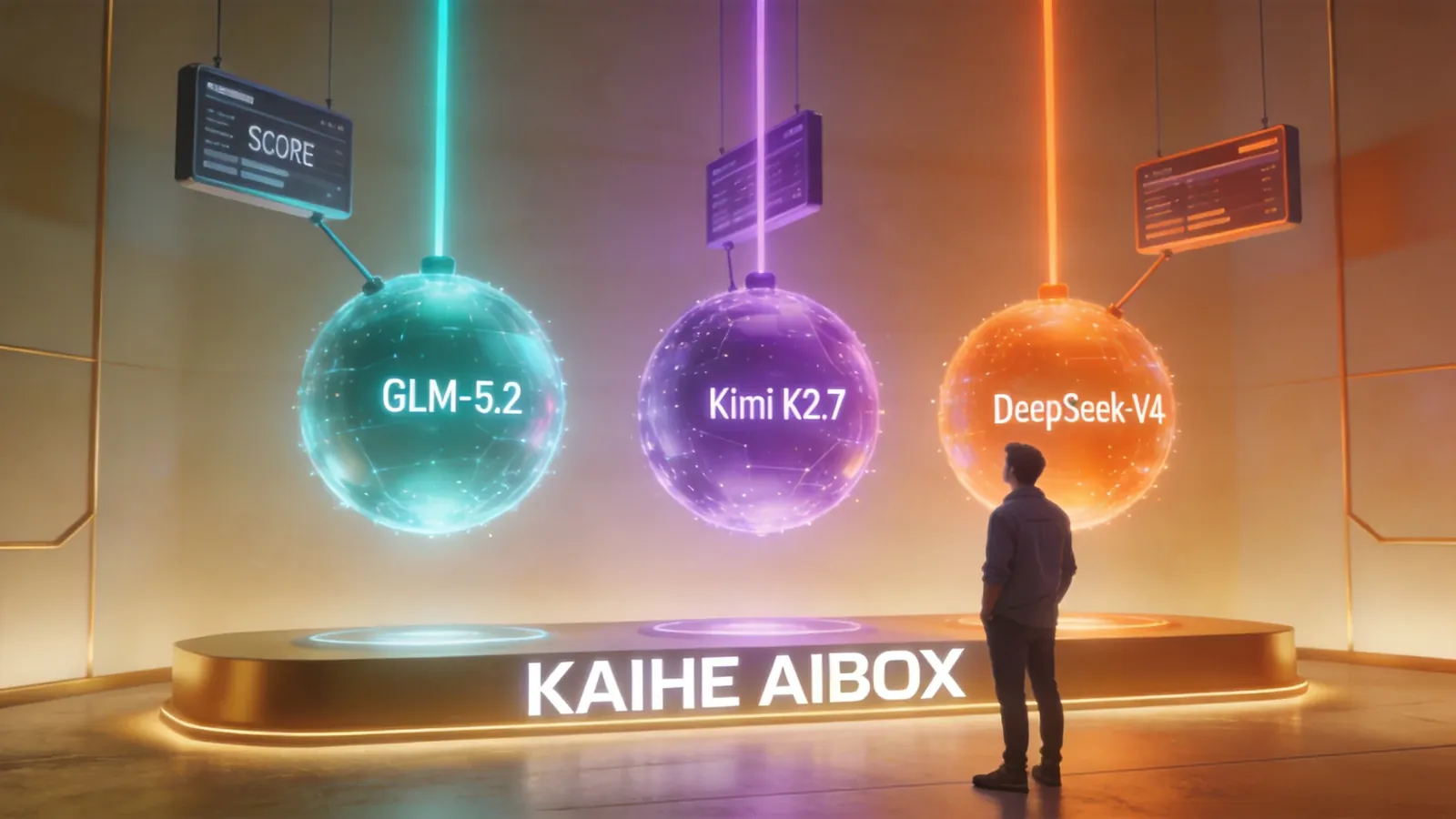
30% token reduction. This is the most tangible benefit. For developers, token consumption equals cost. A task that previously required 1000 tokens for logical reasoning now needs 700. Over time, that's a 30% API cost reduction plus faster inference.
Reduced overthinking on long coding tasks. A common problem: models working on long code keep reasoning even after they've figured things out — wasting tokens and compute. K2.7 Code improved its "when to stop thinking" judgment, doing less useless work.
21% Code Bench v2 improvement. This is the comprehensive coding performance metric — code generation, bug fixing, test writing — all improved across the board.
Why Did Elon Musk Care?
Musk commented on the K2.7 Code release on X: "Finally someone changed residual connections. 11 years."
That one sentence carries a lot of weight. Residual connections are deep learning infrastructure — everyone uses them, almost no one thinks about improving them. Like everyone uses light bulbs but few think about redesigning the socket.
Moonshot AI's team spent the effort to work on this fundamental structure, showing they've done serious groundwork at the architectural level. Such improvements may not be as flashy as "new features," but the benefits are systemic: the entire model becomes faster, more efficient, and more stable.
Chinese Programming Models: Three-Way Comparison
By June 2026, the Chinese programming model landscape is clear. Three contenders: GLM-5.2, Kimi K2.7 Code, and DeepSeek-V4. Each with different strengths.
| Dimension | GLM-5.2 | Kimi K2.7 Code | DeepSeek-V4 |
|---|---|---|---|
| Max context | 1M | 256K | 1M |
| Architecture highlight | Genuinely usable 1M | Residual connection optimization | MoE efficiency |
| Token consumption | Standard | 30% less | Standard |
| Coding benchmark | Top tier | Top tier | Top tier |
| Long-range tasks | ★★★★★ | ★★★★ | ★★★★★ |
| Open source license | MIT | MIT | MIT |
| Elon Musk's approval | No | ✅ Yes | No |
| Best for | Large project understanding | Daily coding acceleration | Mixed task handling |
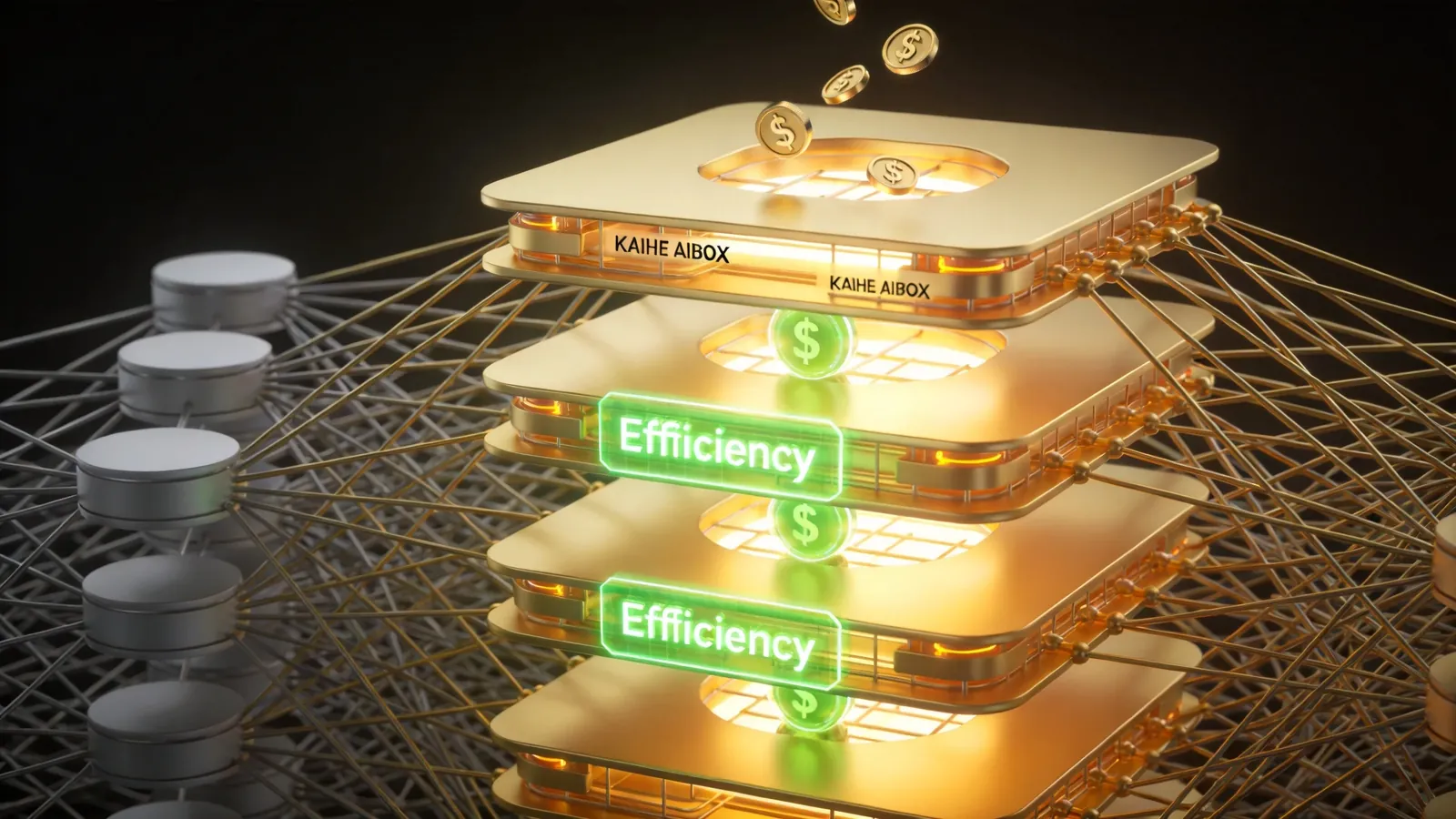
Scenario recommendations:
GLM-5.2: Best for handling large codebases. 1M context means you can feed an entire project at once for global understanding before modifying. Strong at multi-file refactoring and large-scale code migration.
Kimi K2.7 Code: Best for high-frequency daily coding. 30% token reduction means 30% more work from the same budget. If you make heavy daily API calls for code completion and review, K2.7's cost advantage is significant.
DeepSeek-V4: MoE architecture excels at handling mixed tasks. If your work involves code writing, data analysis, and document translation in rotation, DeepSeek delivers more stable performance across the board.
All three are MIT open source and support local deployment. Kaihe AIBOX users can pick based on their primary task and deploy locally for zero API cost on daily coding.
What Open Source Means
K2.7 Code is also MIT licensed. Same as GLM-5.2 and DeepSeek-V4.
All three Chinese programming models being MIT open source is worth noting. Anthropic's Claude isn't open. OpenAI's GPT series isn't open. All three Chinese options are.
The logic is straightforward: open source captures developer trust fastest. You can self-host, audit, and modify. No disruption risk. No API price hikes. No data leaks.
For Kaihe AIBOX users, this means freedom of choice. The local Chinese trio plus Claude, GPT-5.5, and Codex — a full buffet of programming models. The same Kaihe device runs local open-source models at zero cost for daily tasks, calling cloud APIs only for advanced capabilities. Not "pick one" — have them all.
Bottom Line
K2.7 Code is a major surgery upgrade on the inside. On the surface, 30% token savings and 21% score improvement. Under the hood, it rewrote an 11-year-old architectural foundation. Musk's praise wasn't random.
The Chinese programming model trio is set — GLM-5.2 for large-project understanding, K2.7 Code for daily cost efficiency, DeepSeek-V4 for mixed-task versatility. No need to pick just one. Kaihe AIBOX runs them all. Use whichever fits the task.
-#KaiheAIBOX #LocalAI #AINews #AIAgent #AIBOX
Kaihe AIBOX | The Agent Computer That Works 7×24 for You · AI Frontier