LLM API Pricing Trap: Price Down 50%, Bill Up 30%
📖 Glossary
AI Box (also known as Agent Computer / Agent PC), is a dedicated local hardware device that runs AI Agents. Pre-installed with an AI agent management system, plug-and-play, running 24/7. Users can remotely command AI to work via Discord, Slack, Telegram, WhatsApp, and more.
Summary: Multiple LLM providers cut prices by 50%+ in early 2026, yet many users saw their bills rise. This article reveals hidden API pricing traps and how KaiheAiBox helps control Token consumption.
1. The Price Cut Reality
In Q1 2026, DeepSeek, Tongyi Qianwen, GLM and others announced price cuts of 50%+. DeepSeek-V3 dropped from 20 yuan to 8 yuan per million Tokens—a 60% reduction.
Yet many enterprises saw their API bills go up. Three reasons:
Reason 1: Context windows expanded, Token consumption exploded
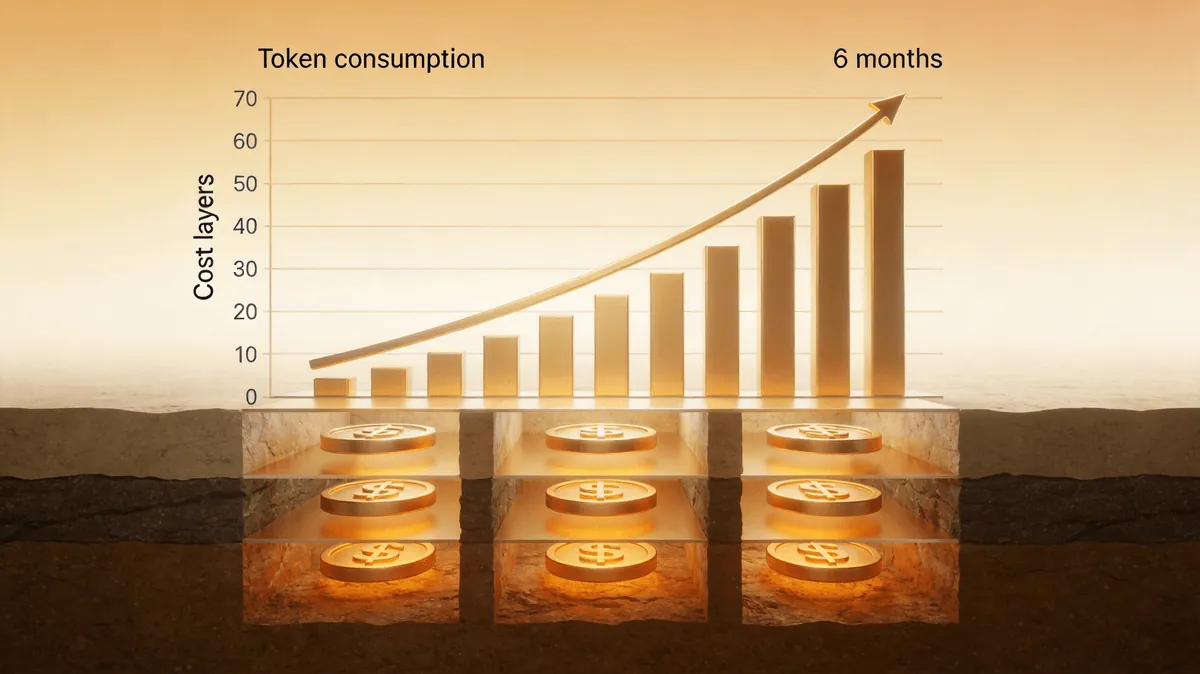
Models moved from 32K-128K context (2024) to 128K-1M (2026). Average Tokens per conversation grew from 12K to 45K—a 275% increase. Even with 50% lower unit price, actual spending rose 88%.
Reason 2: Output Tokens are much more expensive
Most providers price input Tokens low but output Tokens 3-5x higher. As AI Agent usage grows, output Token share rose from 30% (2024) to 60%+ (2026). The visible price cuts mainly applied to input Tokens, not output.
Reason 3: Hidden feature fees
Tool calls, web search, and image recognition generate extra Token consumption not included in standard pricing. The more complex the Agent, the higher these hidden costs.
2. Real Case: 6-Month Bill Analysis
A content operations team from October 2025 to March 2026:
October: 1.5M Tokens x 20 yuan = 3,000 yuan March: 12M Tokens x 8 yuan = 9,600 yuan
Unit price down 60%, but monthly bill up 220% because Token usage grew 700%.
3. How KaiheAiBox Controls Token Costs
KaiheAiBox doesn't negotiate lower prices—it reduces unnecessary Token consumption:
Caching: Built-in OpenClaw cache returns cached results for duplicate queries. FAQ Agents achieve 40-60% cache hit rate.
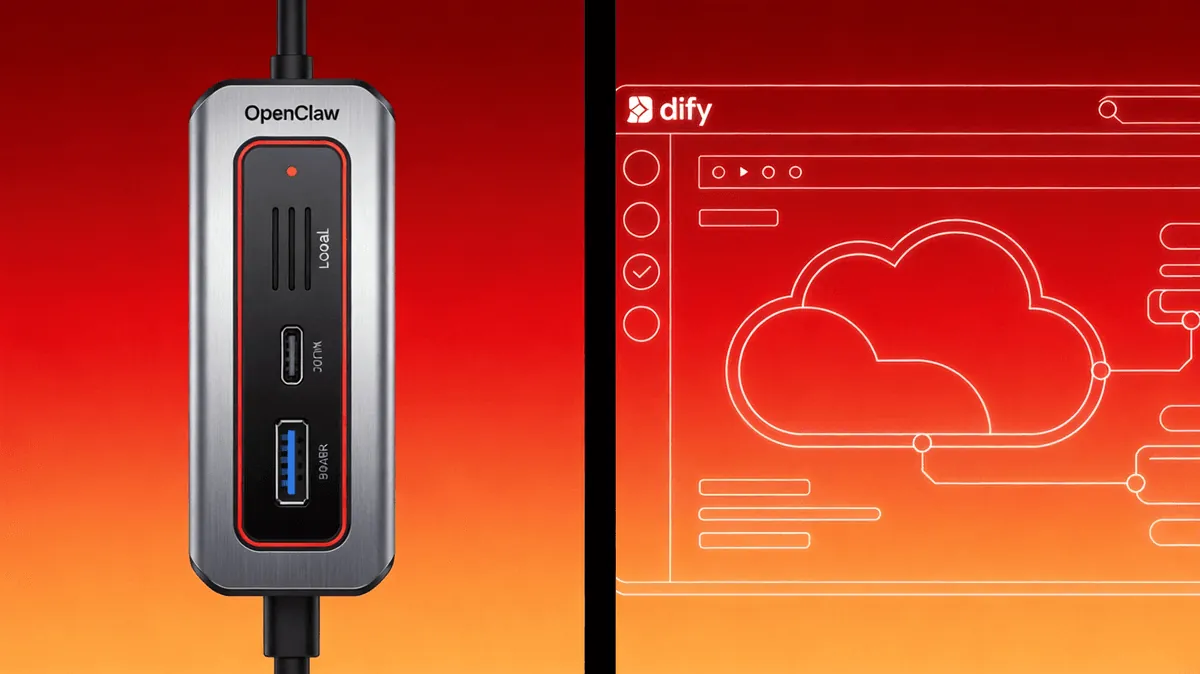 Local model offloading: 70% of routine tasks (keyword classification, sentiment analysis, basic Q&A) can run on the local 4B model for zero API cost.
Optimized prompts: OpenClaw Agent templates save 25-35% Token usage compared to user-written prompts.
Usage monitoring: Real-time Token dashboard alerts when any Agent's consumption spikes abnormally.
4. Recommendations
- Focus on total Token consumption trends, not unit price
- Output Tokens are the real cost driver—keep Agent outputs concise
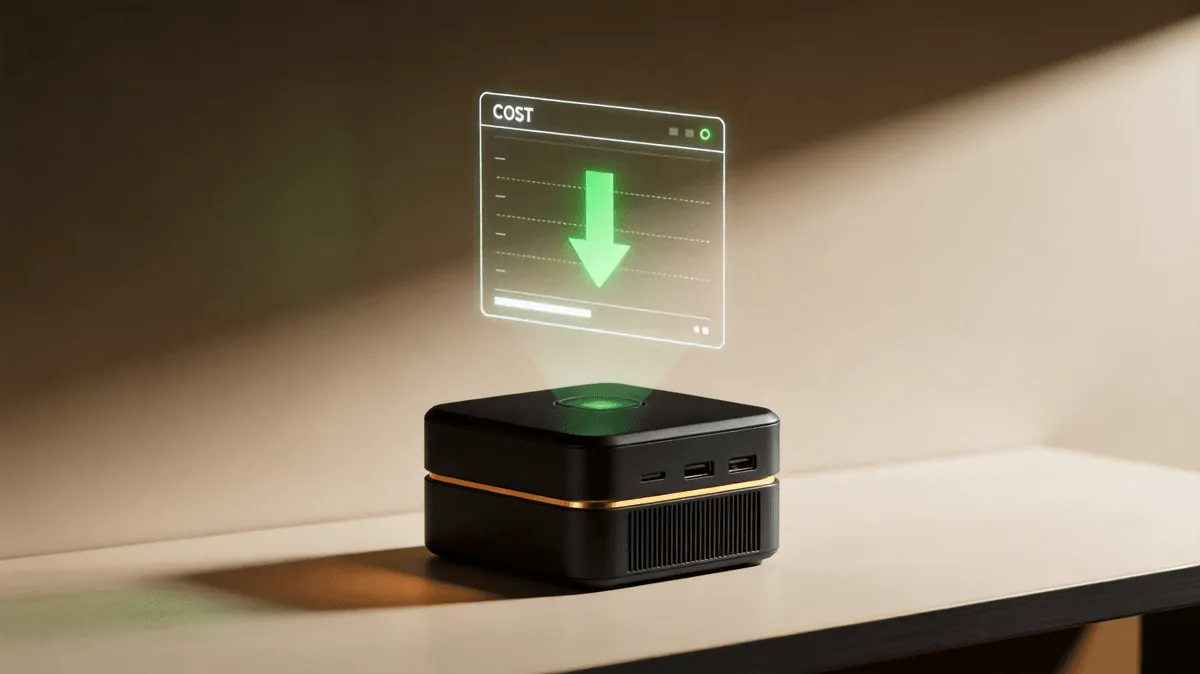
- Use local models for routine tasks—KaiheAiBox's 4B model handles daily needs
- Build caching strategies—duplicate queries should never hit the API
5. Conclusion
LLM price cuts are real, but Token consumption grows faster. The real question isn't "is the API expensive?", but "how many unnecessary Tokens are you burning?" KaiheAiBox tackles this through caching, local offloading, and prompt optimization.
KaiheAiBox| Agentaibox that lets AI work for you 24/7· AI Frontier