OpenAI Releases GPT-6.2 Astra and Sol: Astra Gets 20% Cheaper, but Tests Show a Catch
On November 18, OpenAI released two models: GPT-6.2 Astra and GPT-6.2 Sol. Astra is the new flagship aimed at the hardest projects, while Sol targets everyday work and daily agent tasks. Both are available to Plus, Pro, Enterprise, and Edu users in ChatGPT Work and Codex, and developers can call gpt-6.2-astra and gpt-6.2-sol through the API. It was the number-one trending story on AIHOT that day, with 26 reports from 18 sources.
Two numbers stood out: Astra's standard input and output token price in the API is 20% lower than GPT-6 Astra's, and on Agents' Last Exam it scored 5.2 points higher than the previous generation at less than a third of the per-task cost. On paper that looks both stronger and cheaper. But the same round of tests also produced a different word: uneven.
One: two models, two different jobs
📖 Glossary
AI Box (also known as Agent Computer / Agent PC), is a dedicated local hardware device that runs AI Agents. Pre-installed with an AI agent management system, plug-and-play, running 24/7. Users can remotely command AI to work via Discord, Slack, Telegram, WhatsApp, and more.
Keep Astra and Sol separate.
Astra is the flagship, built for the hardest projects; OpenAI says it writes cleaner code and improves at front-end and 3D work. Sol is the everyday model, aimed at daily agent work. OpenRouter's listing echoes that split: Astra at $8 per million input tokens and $40 per million output, Sol at $2 input and $10 output. One handles the hard jobs, the other handles volume.
Two: the price cut is real, with a catch
The price cut is documented. OpenAI Developers said Astra's standard input/output token price is 20% lower than GPT-6 Astra's, and on Agents' Last Exam it scored 5.2 points higher than the previous generation at under a third of the per-task cost. All of those compare against OpenAI's own previous generation, GPT-6 Astra, not against other vendors.
But evaluator Artificial Analysis reported a two-part result: Astra rose 5 points to 62 on its Intelligence Index, with both models placing second overall behind only Claude Fable 5.2 and occupying much of the Cost-per-Task Pareto frontier — while coding-agent performance did not improve.
A developer writing under the name Kazi published hands-on tests with real projects and put it more plainly: extremely cost-efficient but heavily uneven, with conversation readability still weak. His workaround was to have Claude or Gemini direct GPT for code review. That is one person's test, not an official claim, but it completes the half of the story the leaderboard leaves out.
Three: benchmark scores and lived experience are not the same thing
Keep three things apart.
First, "second" has a scope. It is second on Artificial Analysis's own index, behind Claude Fable 5.2, and the same evaluator said coding-agent performance did not improve. Quoting the ranking without that second sentence is selective quoting.
Second, "strongest" is the vendor's own words. OpenAI called Astra its most capable model yet for offensive and defensive cyber work, scoring 22 points higher than the previous generation on ExploitBench Internal Port, and said it added tighter safeguards. That is OpenAI's claim; its system card rates cybersecurity risk at the Critical threshold.
Third, even a cheap model runs in the cloud. The lower price is a lower unit price, not the removal of the machine that sends tasks, receives results, and stores files.
Four: three things worth keeping
First, check what it is compared with. The 20% cut, the 5.2 points, the 22 points are all against OpenAI's own previous generation, not cross-vendor conclusions.
Second, read scores and experience together. Second on the index is true; no coding-agent gain and weak readability are also true. Both belong in the same sentence.
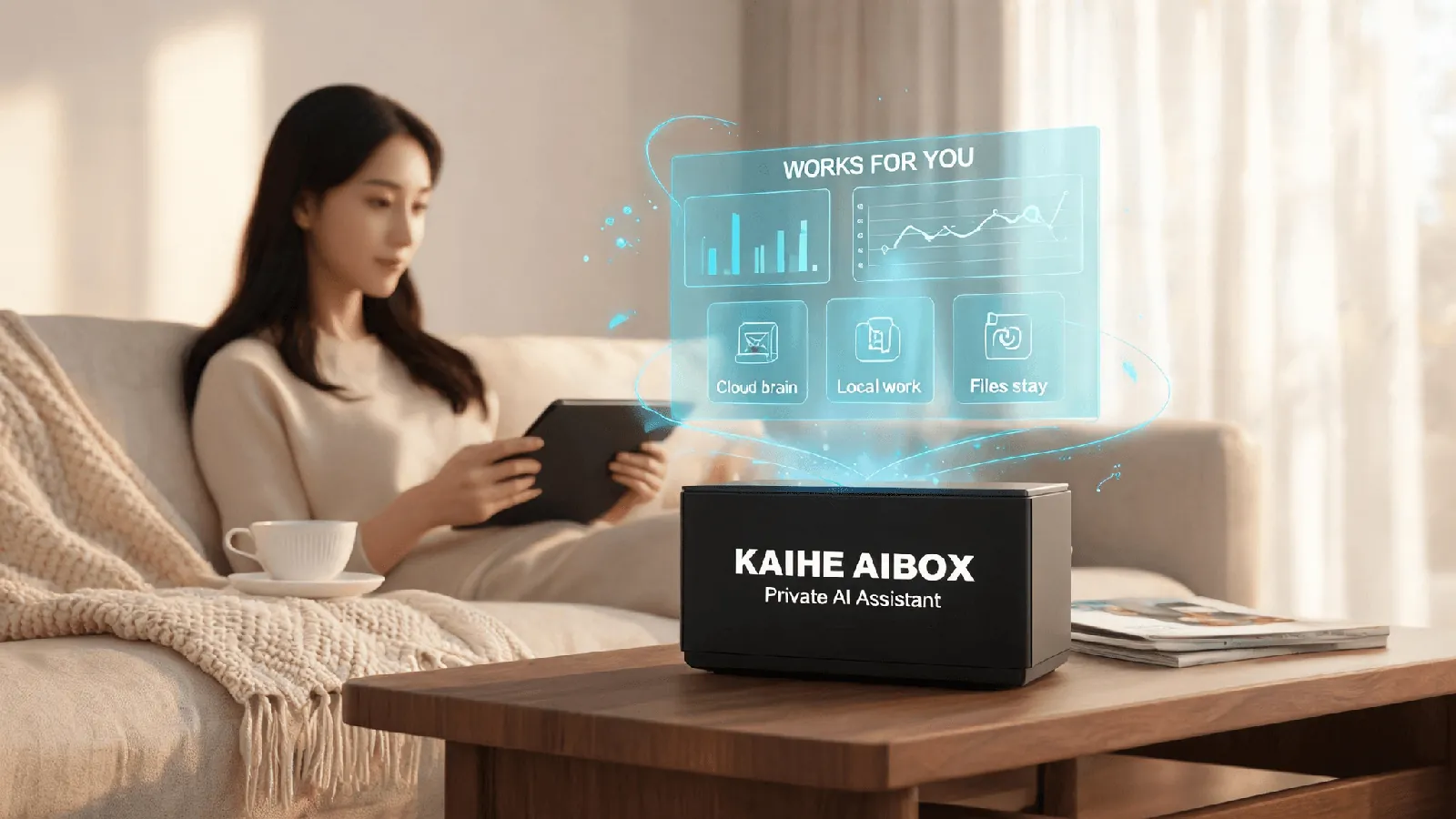
Third, the more you use it long-term, the more you need a machine of your own. Inference for models like Astra and Sol happens in the cloud, but sending tasks, collecting results, and keeping files need a local device that stays awake.
OpenClaw has already added Astra and Sol; users on v2026.10.1 or later need no update to use them. For ordinary users, a natural companion is KAIHE AIBOX(铠盒AIBOX), a computer built specifically for agents and your local private AI assistant. It ships with OpenClaw and Hermes preinstalled, so it is ready to go once plugged in and connected, with no environment to rebuild each time. Inference runs in the cloud, while files, long-term memory, and call records stay on the machine.
Picking the right model is a skill. Having a machine that quietly keeps working for you is a different one.