The Short Version
📖 Glossary
AI Box (also known as Agent Computer / Agent PC), is a dedicated local hardware device that runs AI Agents. Pre-installed with an AI agent management system, plug-and-play, running 24/7. Users can remotely command AI to work via Discord, Slack, Telegram, WhatsApp, and more.
On August 31, the open-source agent framework OpenClaw shipped 2.0 (v2026.8.1) — its largest update ever, by the project's own description. 933 contributors merged over 16,000 pull requests, roughly half of everything ever merged into OpenClaw, and the team went nearly seven weeks without a release to get there.
This matters directly to KAIHE AIBOX users: the device is a local agent-computer base that runs open-source frameworks like OpenClaw and Hermes. When the framework's foundation improves, people running it locally feel it first. Below, plainly: what changed, why it helps you, and what to watch out for.
The Misconception: This Isn't Just "Another AI Update"
Most people scroll past a framework release, assuming it's for developers. But OpenClaw 2.0 didn't change model parameters — it reworked the foundation of whether your AI assistant can actually work for you long-term, reliably, and safely.
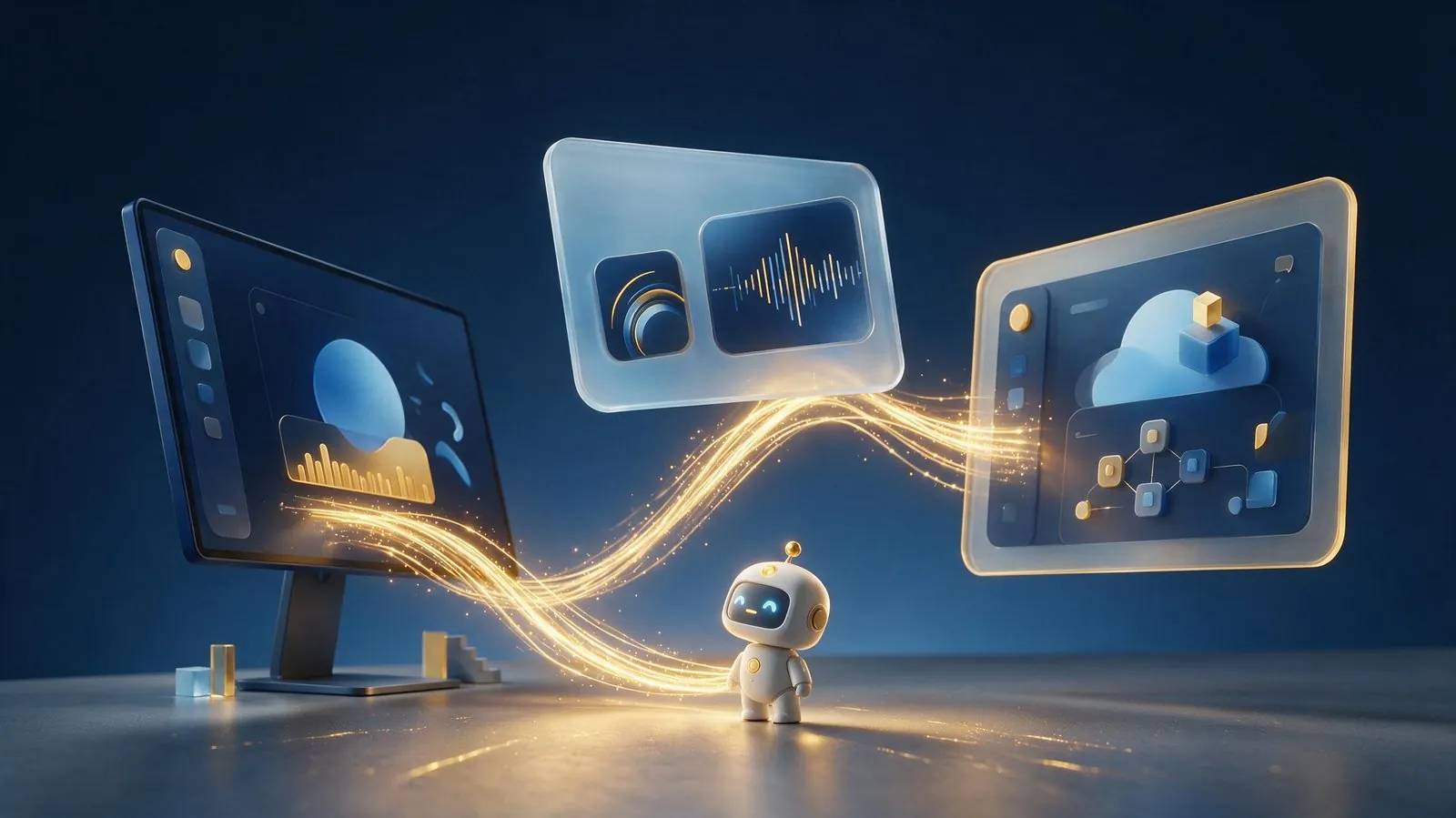
In 1.0, an agent was closer to a "you ask, it answers" tool that forgot the job when it ended. 2.0 pushes it toward a persistent work system that remembers you, picks up across devices, and can collaborate with people. For local-agent users, that's a direct experience upgrade, not a developer's party trick.
Change 1: Setup Finally Stops Fighting You
The old install was the biggest turn-off. 2.0 rebuilds onboarding: on first run it scans what's already on your machine — ChatGPT or Claude subscriptions, API keys, locally running Ollama and LM Studio models — recognizes what it can, verifies it can answer before saving, and gets you chatting out of the box.
Most non-essential config moves out of initial setup; the rest you finish through normal conversation with the agent. Official docs say it's five minutes from install to first browser conversation.
Why this helps KAIHE AIBOX: the device is an Ubuntu base that already hosts OpenClaw, Hermes, and similar frameworks. The simpler a framework is to install, the faster your little local server picks up new capabilities — no waiting for a vendor to package it for you.
Change 2: The Browser Becomes the Front Door
The Web Control UI was rebuilt as a conversation-first surface. Open it and you're straight into a chat; a sidebar manages sessions, the active conversation sits center, and files, approvals, terminal, Git changes, and the browser panel line up beside it.
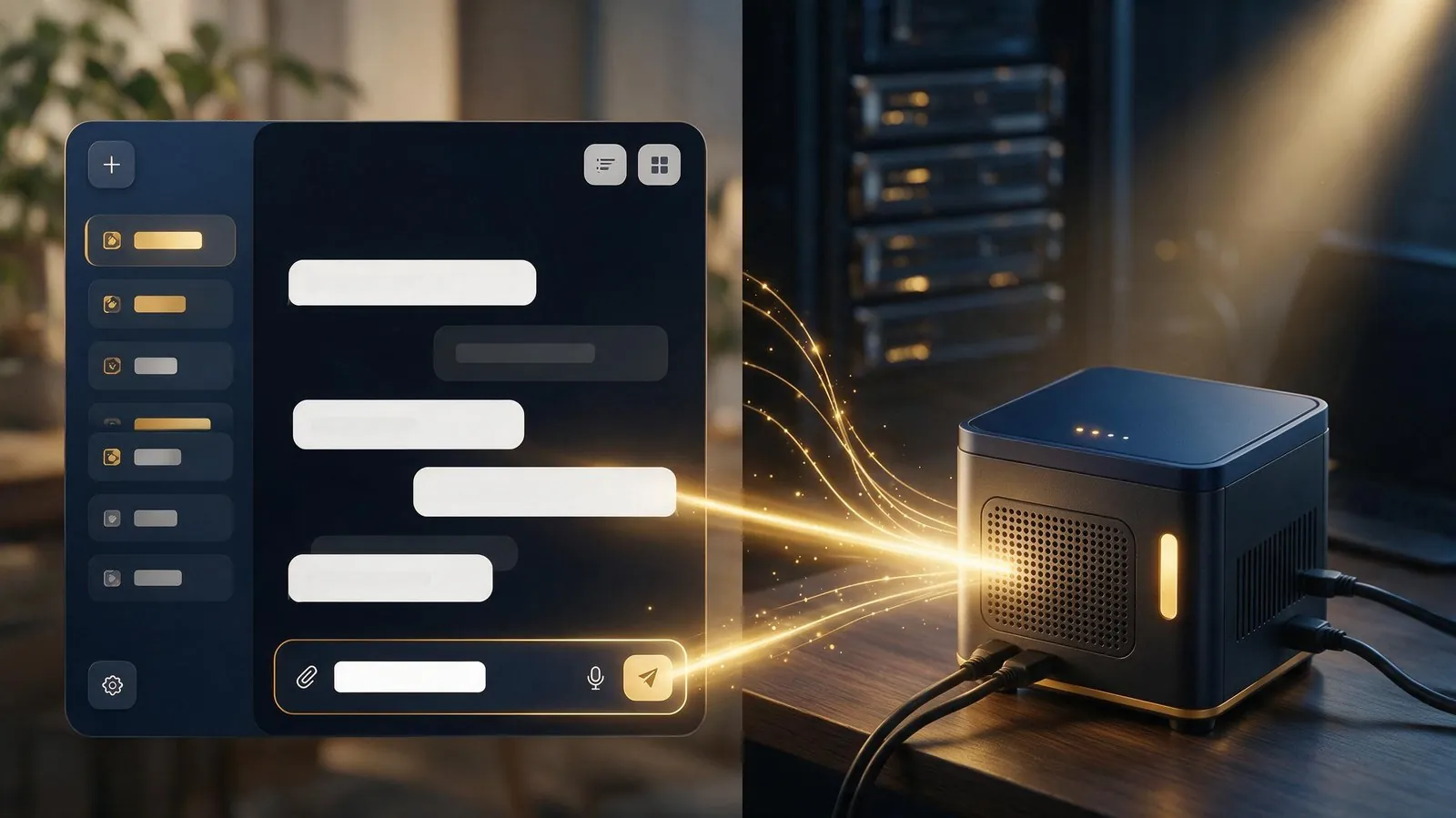
Real numbers: startup dropped from ~1.6s to 575ms, JS requests from 140 to 45. Progress cards survive a page refresh; subagent status, file changes, and task progress stay visible.
The logic is simple — most people meet their agent first in the browser. Smoother UI lowers the barrier for ordinary people to use a local agent.
Change 3: The Real Headline — Shared Cloud Sessions
This is the structural change worth the most attention. Previously an agent was locked to one machine; pulling in a colleague or switching devices broke context, forcing you to re-explain everything.
Now Shared Cloud Sessions let the owner or an admin decide whether someone joins read-only, suggests, works in a draft, or participates directly. A session can migrate across your local device, a paired machine, and a cloud worker — start on a Mac, continue on cloud compute, let the cloud machine sleep when idle and reallocate on a new message, with context intact.
The team built it by using it: while developing 2.0 they moved more work onto their own Claws, then realized they couldn't bring someone in without losing context. The shift in one line: from "one person, one agent" toward "several people and several agents sharing one workspace."
For KAIHE AIBOX: a persistent agent running on your box at home could, as this matures, serve more than just you — family or a small team sharing one memory-backed workspace, with the data still sitting on your local machine.
Two More Solid Improvements
Memory and permissions. Not flashy, but they decide whether you dare leave work running long-term.
Memory: 2.0 adds Active Memory (calls relevant past context inside eligible sessions) and Background Memory Consolidation (the model tidies long-term memory in the background, keeps sources and a "dream diary"). Self-learning turns completed tasks into reusable methods and new Skills — the agent gets smarter the more you use it, much like what users love about Hermes.
Permissions: Private Credential Request pops a masked window when the agent needs a password or token, keeping secrets out of chat logs and model context. Recurring automations reuse approval only for the exact approved operation; change the job and you re-approve. Plugin installs show capability, source, and version; unknown executable sources need forced confirmation. There's even an openclaw security audit command.
Where KAIHE AIBOX Sits: Base Gets the Upside, Don't Confuse the Two
To be precise: OpenClaw is an open-source, self-hosted agent framework. It is not a product pre-installed on KAIHE AIBOX, and it is certainly not "KAIHE 2.0." KAIHE AIBOX is a local agent-computer — an Ubuntu base, ~5W power draw, plug-and-run — that can host Hermes and open-source agent frameworks locally.
The relationship is complementary. OpenClaw 2.0 makes the "local-first, cross-device, always-on" foundation stronger, and KAIHE AIBOX is the hardware that turns such frameworks into a small server that keeps working 24/7 without your PC on. A stronger framework means steadier, smarter work on the box — open-source ecosystem and local hardware lifting each other.
Two Real Upgrade Costs to Heed
The docs are blunt about this:
First, once sessions migrate to SQLite, downgrading is no longer free, and migrated sessions don't exist in older versions — back up before upgrading.
Second, the OpenProse plugin and OpenAI routing have breaking migrations; plugin authors' SDK migration deadline was September 1, 2026. This is not a mindless click-update; existing users must mind config migration.
Further Reading
- Why Local AI Beats PC-Based AI: KAIHE AIBOX vs Cloud Assistants — why a local base beats just installing software
- Hermes Scheduled Automation: Why Your AI Should Keep Working After You Leave — how jobs keep running after you shut down
- Doubao and Qianwen Killed Their Agents — Your AI Assistant Vanished? KAIHE AIBOX Gives You a Choice That Isn't Held Hostage — the risk of being locked to one vendor
Learn More About KAIHE AIBOX
KAIHE AIBOX · Your Private AI Assistant Running 24/7
Contact: [email protected]