Paying 399 Yuan to Install a Lobster: The Truth Behind OpenClaw's Profitable Installation Service Boom
📖 Glossary
AI Box (also known as Agent Computer / Agent PC), is a dedicated local hardware device that runs AI Agents. Pre-installed with an AI agent management system, plug-and-play, running 24/7. Users can remotely command AI to work via Discord, Slack, Telegram, WhatsApp, and more.
Abstract: After OpenClaw (Lobster) went viral, "installation" itself became a business—from 50 yuan on Xianyu to 399 yuan on JD.com. Some earn a thousand yuan a day; others spend three days failing to install it. Open-source, free software—so why does installation cost money? The technical barriers reflected in this phenomenon are worth deep consideration for anyone paying attention to AI tools.
In May 2026, a number exploded across the tech community: JD.com listed an "OpenClaw Remote Deployment Service" priced at 399 yuan. Consider this—OpenClaw itself is a completely free, open-source project that anyone can download from GitHub at zero cost. A free product, yet installation costs 399 yuan? Even more surprising, this service has seen steadily rising sales since its listing, with reviews full of "worth it."
This is not an isolated case. Search "OpenClaw installation" on platforms like Xianyu and Taobao, and you'll find a complete price ladder: as low as 50 yuan for remote guidance, generally 100–200 yuan, with some going as high as 800 yuan. An installation service market for free, open-source software is spawning a new industry chain with an estimated annual output value that could exceed 100 million yuan.
I. Installation Economics: When "Free" Meets "Can't Install"
Just how hard is it to install OpenClaw? Let's first look at the technical requirements.
OpenClaw is not a simple desktop application. It is an AI Agent framework based on the Node.js runtime that requires configuring a Python environment, installing various dependency packages, setting API keys, and debugging model interfaces. For developers with programming experience, following the official documentation step by step takes roughly 30 minutes to 1 hour. But for the vast majority of users without any programming background, the process is a nightmare.
"What's an environment variable?" "How do I open the command line?" "pip install threw an error, what do I do?"—these questions repeat hundreds of times daily in OpenClaw's user communities. According to community volunteers, a beginner's average complete installation requires 3–5 attempts, taking 4–8 hours, with over 60% of the time spent resolving various dependency conflicts and environment configuration issues.
This is the underlying logic of "installation economics": the software is free, but the technical chasm between "download" and "usable" is not. The wider this chasm, the larger the installation service market.
A practitioner in Changsha shared his business data with the author: remote installation starts at a minimum of 100 yuan, with Windows and Mac at a flat rate of 138 yuan, and Linux slightly cheaper at 100 yuan. He takes 6–10 orders per day, peaking at 15 on weekends. At an average price of 120 yuan, daily income ranges from 720 to 1,800 yuan—monthly income easily exceeds 10,000 yuan. And his "production tools" are just a computer and two years of Linux experience.
II. Price Chaos: From 50 to 800—What Are You Actually Paying For?
The pricing in the installation service market is frankly chaotic. For the same remote OpenClaw installation, some charge 50 yuan, others 800 yuan—a 16-fold gap. Behind this lies enormous differences in service content as well as a textbook case of information asymmetry.
The low-price tier (50–100 yuan) typically offers only "remote installation"—using remote control software like Sunflower or ToDesk to access your computer, execute installation commands step by step, and leave once done. The problem with this service: no personalized configuration, no follow-up maintenance. If your environment breaks after a reboot, you'll have to pay again.
The mid-price tier (100–300 yuan) is currently the mainstream. Service providers spend time troubleshooting environment issues, configuring basic Agent skills, and even offering 30 minutes of remote instruction on basic operations. JD.com's 399-yuan "Remote Deployment Service" falls into the high end of this tier, but the brand's endorsement makes many users willing to pay for "reliability"—at least they don't have to worry about someone installing a backdoor on their computer.
Notably, JD.com later introduced an on-site installation service for Beijing and Shanghai, priced at 299 yuan. From 399 yuan for remote to 299 yuan for on-site, the inverted pricing reflects the platform's market experimentation: on-site service has lower marginal costs (saving the time wasted on remote troubleshooting) and builds stronger trust.
The high-price tier (300–800 yuan) typically includes customized services: configuring dedicated Agents based on your use case, integrating with enterprise internal systems, writing custom skill scripts, and so on. This has evolved from "installation" to "consulting + implementation," with more substantial value support.
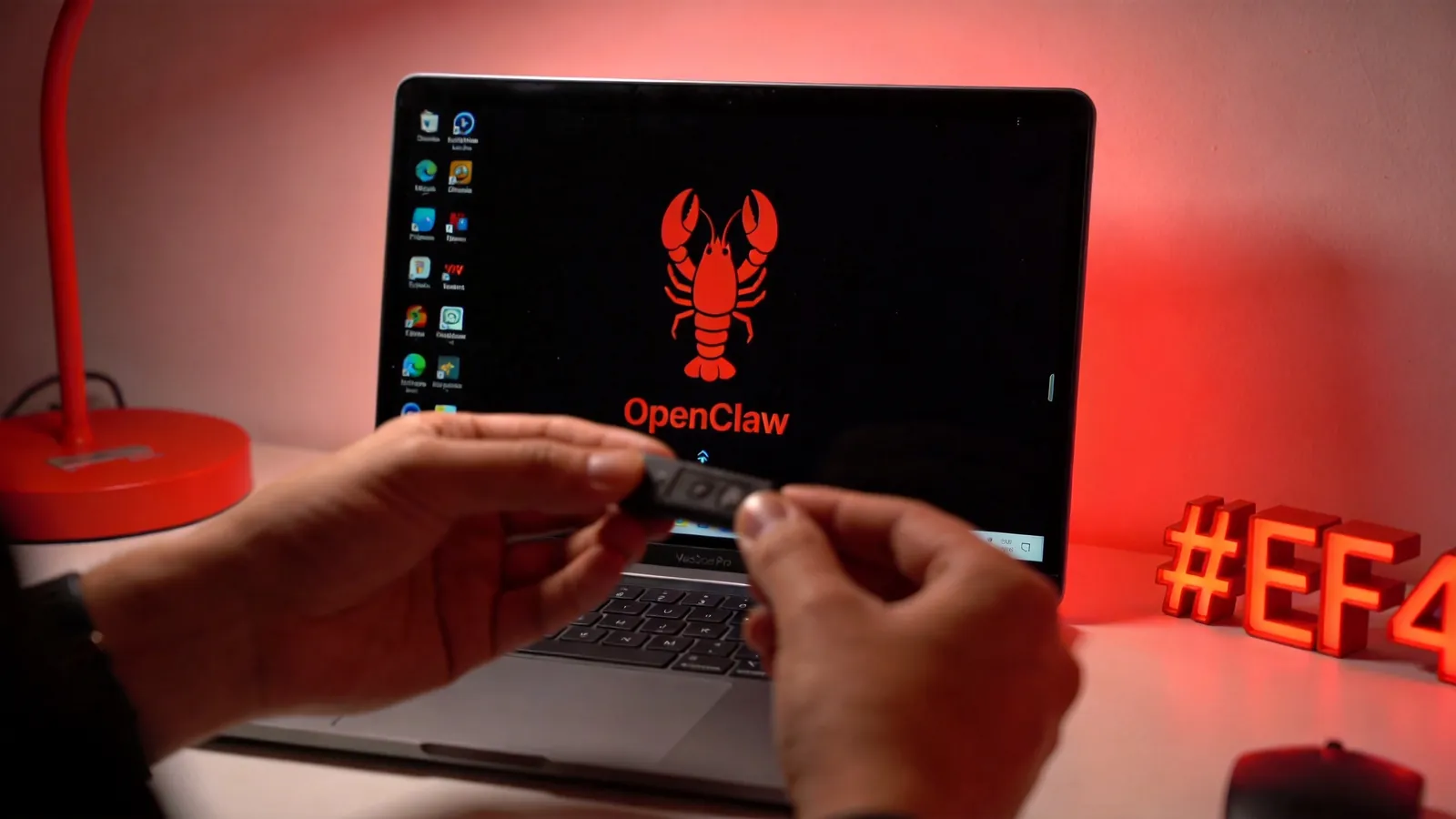
III. The Open-Source Paradox: Why Does Free Software Sustain a Paid Ecosystem?
The boom in OpenClaw's installation service market reveals a long-overlooked open-source paradox: open source reduces acquisition costs but does not necessarily reduce usage costs.
The traditional commercial software model is "paid purchase + free usage"—you spend thousands on Office, and it works the moment you open it. The open-source software model is "free acquisition + paid usage"—downloading costs nothing, but getting it to actually work may cost you more. This is not open source's fault but the inevitable result of technical complexity.
OpenClaw is not the first open-source project to face this dilemma. Before it, Linux installation services, WordPress site-building services, and Docker deployment services all traveled the same path. The very existence of these service markets proves one fact: for most users, what they need is not "source code" but "a usable product."
From a deeper perspective, the outsized profits of installation services also reflect a structural contradiction in the popularization of AI tools: AI is striving to democratize technology, but the deployment and use of AI tools themselves remain highly specialized. This is just like the early days of the internet—browsers let ordinary people get online, but setting up dial-up connections and configuring TCP/IP protocols was still the province of technicians. It wasn't until routers arrived that "plug in the cable and it works" truly achieved internet popularization.
OpenClaw's installation service market is essentially the product of a missing "router" for AI tools. Until simpler solutions emerge, this market will continue to expand.
IV. The Essence of Technical Barriers: Who Should Pay for "Can't Install"?
The existence of the installation service market raises an ethical question worth pondering: do open-source project developers have an obligation to make installation simpler?
From the developers' perspective, the OpenClaw team has already invested significant effort in documentation, tutorials, and one-click installation scripts. But the core driving force of open-source projects is community contribution; developers have no obligation to provide nanny-level service for every technical novice. Moreover, OpenClaw's update frequency is extremely rapid, and maintaining backward compatibility in the installation process is itself a high-cost endeavor.
From the users' perspective, they choose OpenClaw because it genuinely solves real problems—automated writing, data analysis, code generation, customer service response—these are all tangible productivity-boosting needs. Users don't care what underlying technology framework is used; they only care whether "it can help me get work done." When the prerequisite for "getting work done" becomes "can you install it properly," users find themselves trapped outside the technical barrier.
The real solution to this contradiction is not for open-source developers to do more but for professional product teams to step in—encapsulating complex technology into simple products, transforming "installation and deployment" into "out-of-the-box readiness." This is both a business opportunity and a necessary step in technology popularization.
V. The Possibility of Out-of-the-Box: When Installation Is No Longer a Problem
Since installation is the pain point, is there a way to bypass this step entirely?
The answer has already appeared. The KaiheAiBox A1 Agent Computer takes the approach: since users don't want to install, then don't make them—pre-install OpenClaw and all dependency environments at the factory, so users can simply plug it in and start using it.
The KaiheAiBox A1 is essentially an Agent Computer tailor-made for AI Agents. It doesn't simply add a layer of software on top of a general-purpose computer; rather, it optimizes the entire chain from hardware to software for Agent execution. Managing Agents through a web interface is as intuitive as managing apps on your phone—click to enable, configure parameters, and run immediately, without ever touching the command line.
For users who spend 100–300 yuan on Xianyu for remote installation, the KaiheAiBox A1 offers an alternative: a one-time purchase of a dedicated device with all configurations already completed—no wrestling with environments, no worrying about dependency conflicts, no re-debugging after every update. More importantly, it solves the long-term maintenance problem that installation services can hardly cover—system updates, environment upgrades, and skill extensions are all completed with one click through the web interface.
This is not to negate the value of the installation service market. For users who just want a one-time OpenClaw experience, spending 100–200 yuan on remote installation remains the most cost-effective choice. But if you're a user planning to use AI Agents long-term to boost efficiency, spending time on "installing software" is itself a resource misallocation. Your time should be spent on more valuable things—not wrestling with environment variables.
KaiheAiBox · OpenClaw Zone