OpenClaw Multi-Agent Collaboration: Build an AI Editorial Team—Zero Code Required
📖 Glossary
AI Box (also known as Agent Computer / Agent PC), is a dedicated local hardware device that runs AI Agents. Pre-installed with an AI agent management system, plug-and-play, running 24/7. Users can remotely command AI to work via Discord, Slack, Telegram, WhatsApp, and more.
Most people think multi-agent systems are engineering toys—Python scripts, message queues, API gateways. With OpenClaw, it's surprisingly simple.
The Scenario: Your Personal AI Newsroom
Running a content channel means three daily tasks: 1. Scan AI industry news, pick the best story 2. Write an 800-word analysis 3. Publish to your website
Traditional approach: 2-3 hours of human work.
OpenClaw multi-agent approach: configure once, run automatically.
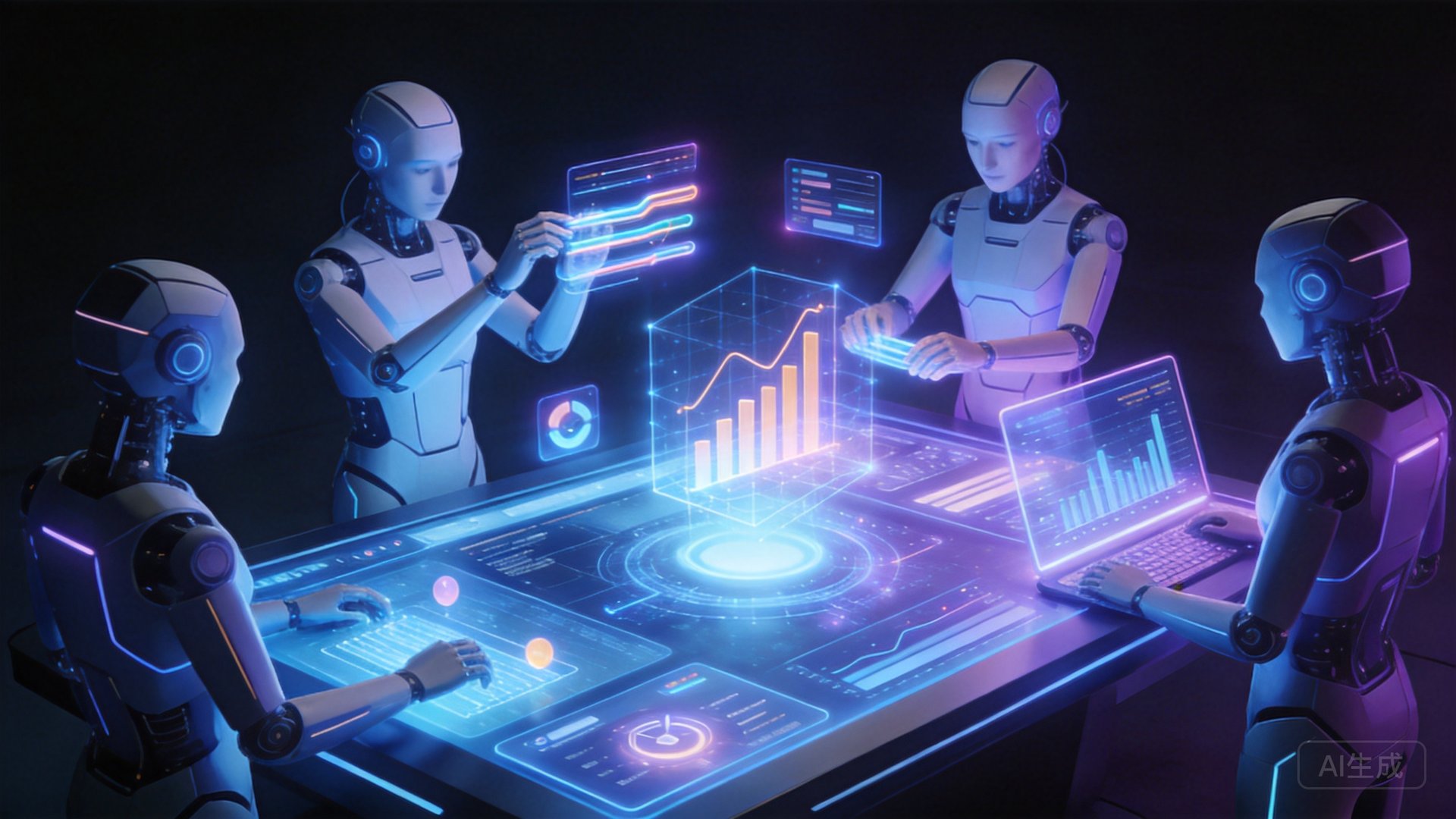
Three Steps to Your AI Editorial Team
Step 1: Define Three Agents
In agents.yaml:
- Researcher Agent: Web search tools, prompt: "You are an AI industry researcher. Scan today's AI news and recommend one story worth covering. Output: title + rationale."
- Writer Agent: LLM writing capability, prompt: "You are a tech columnist. Write an 800-word analysis based on the provided story. Must have a thesis, evidence, and readability."
- Editor Agent: Publishing tools, prompt: "You are a content editor. Format the article and publish it to the website."
Step 2: Chain Them Together
OpenClaw's Workflow config supports orchestration:
workflow: daily-editorial
steps:
  - agent: researcher
    task: "Scan today's AI news, recommend one story"
  - agent: writer
    input: "{{researcher.output}}"
    task: "Write 800-word analysis based on the story"
  - agent: editor
    input: "{{writer.output}}"
    task: "Format and publish"
Step 3: Schedule It
trigger:
  schedule: "0 9 * * *"
  workflow: daily-editorial
Zero lines of code. All YAML configuration.
When Does Multi-Agent Make Sense?
The rule is simple: when one agent's output is another agent's input, use multi-agent.
| Task | Single Agent | Multi-Agent |
|---|---|---|
| Write an article | ✅ | ❌ |
| Research → Write → Publish | ❌ | ✅ |
| Translate text | ✅ | ❌ |
| Search → Translate → Add images → Format → Publish | ❌ | ✅ |
Why Run Multi-Agent Locally?
Cloud-based multi-agent has a hidden cost: all inter-agent communication passes through external servers. Three agents collaborating means multiple conversation rounds circulating on someone else's infrastructure.
With a KAIHE box running OpenClaw locally: - All inter-agent data stays on-device - Workflow configs, agent logs, intermediate results—all local - OpenClaw's Workflow engine executes locally with lower latency
Multi-agent collaboration is powerful. Local deployment makes it safe too.
Preview: OpenClaw + MCP protocol—teaching AI agents to truly manipulate your toolchain.