Is OpenClaw Safe? Three Layers of Protection and Six Principles for Secure Agent Deployment
📖 Glossary
AI Box (also known as Agent Computer / Agent PC), is a dedicated local hardware device that runs AI Agents. Pre-installed with an AI agent management system, plug-and-play, running 24/7. Users can remotely command AI to work via Discord, Slack, Telegram, WhatsApp, and more.
Summary: OpenClaw runs with high privileges by default — it can read/write files, execute commands, and control browsers. Greater power means greater risk. In March 2026, CNCERT issued the first-ever security guideline for a single open-source project. 360 Security Team also published a complete deployment guide. The core comes down to three things: least privilege, environment isolation, and full audit trail. This article covers the most critical security practices in one read.
1. Three Major Security Risks of OpenClaw
In March 2026, China's National Computer Network Emergency Response Technical Team (CNCERT), together with the Cybersecurity Association of China, issued the first-ever security guideline for a single open-source project. This isn't overreaction — OpenClaw's permissions are genuinely alarming:
- Shell command execution: By default, it can execute arbitrary Bash commands, read sensitive credentials like
~/.sshand~/.aws, and exfiltrate data viacurl/wget - Prompt Injection: When processing external content, attackers can embed malicious instructions to hijack Agent behavior
- Data leakage: MEMORY.md may contain private information; tool outputs may expose keys and passwords
2. First Defense Line: Environment Isolation
Never run OpenClaw bare-metal on your primary machine. This isn't advice — it's a principle.
- VM isolation (beginner-friendly): Create a dedicated VM via VMware/VirtualBox, allocate minimal resources, don't share host directories
- Docker container isolation (most secure): Create dedicated sandbox directories, inject credentials via environment variables, run with reduced privileges, bind to localhost only
- KaiheAiBox approach (hassle-free): Dedicated hardware with physical isolation, ARM architecture for low power consumption, web-based management, 24/7 stable operation
3. Second Defense Line: Least Privilege
Fine-grained tool control in config.yaml:
tools:
  allowlist:
    - "web_search"
    - "code_executor"
sandbox: "docker"
Key rules: - Never run with admin/root privileges - Network defaults to localhost only; remote access requires strong authentication - API keys, configs, and caches fully encrypted - Ambiguous commands require explicit approval before execution
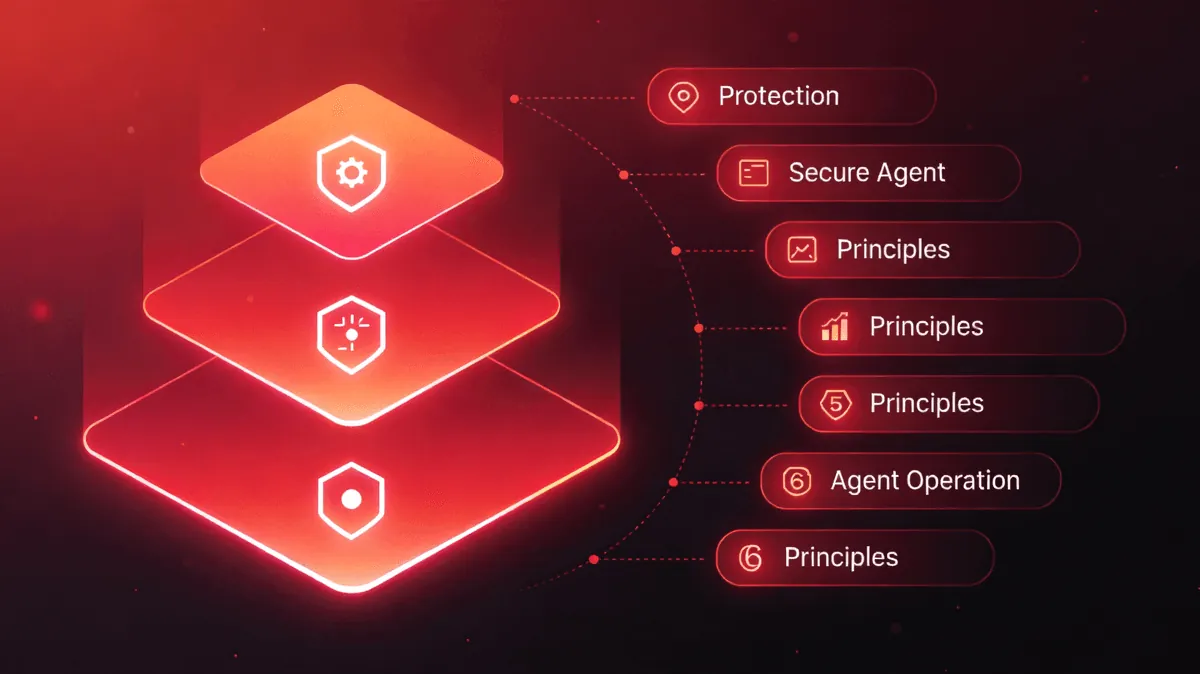
4. Third Defense Line: Full Audit Trail
OpenClaw v2026.2.23 began strengthening audit capabilities:
- Configuration snapshots now sanitize sensitive dynamic keys like env.*
- OTEL diagnostic tools auto-sanitize API keys before log export
- Skill packaging rejects symlink escapes and XSS vulnerabilities
- openclaw sessions cleanup strengthens session maintenance with disk quota controls
Key insight: Security isn't about limiting Agent capabilities — it's about releasing power within controlled boundaries. OpenClaw security practices are essentially "drawing a safe fishbowl for the lobster."
KaiheAiBox| Agentaibox that lets AI work for you 24/7· OpenClaw Zone