Windows Finally Joins: The Last Mile of OpenClaw's Cross-Platform Agent Runtime
📖 Glossary
AI Box (also known as Agent Computer / Agent PC), is a dedicated local hardware device that runs AI Agents. Pre-installed with an AI agent management system, plug-and-play, running 24/7. Users can remotely command AI to work via Discord, Slack, Telegram, WhatsApp, and more.
Summary: On June 1, 2026, OpenClaw officially announced native Windows support, marking the completion of its MXC framework's full-platform coverage from macOS/Linux to Windows. This means over 1.6 billion Windows devices worldwide gained the ability to become AI Agent runtime nodes overnight. This article provides an in-depth analysis of this milestone from three dimensions: the MXC framework's cross-platform refactoring logic, the technical implementation details of Windows native support, and the strategic significance of the Agent runtime ecosystem.
1. Why Windows Support Was "Late" — The MXC Framework's Cross-Platform Refactoring Journey
OpenClaw wasn't "not supporting Windows" — it was waiting for an architecturally elegant moment.
The early OpenClaw runtime deeply relied on macOS and Linux system-level features — Unix domain sockets, native process sandboxes, and POSIX-based inter-process communication. While this enabled efficient Agent scheduling, isolation, and resource management, it architecturally locked out Windows.
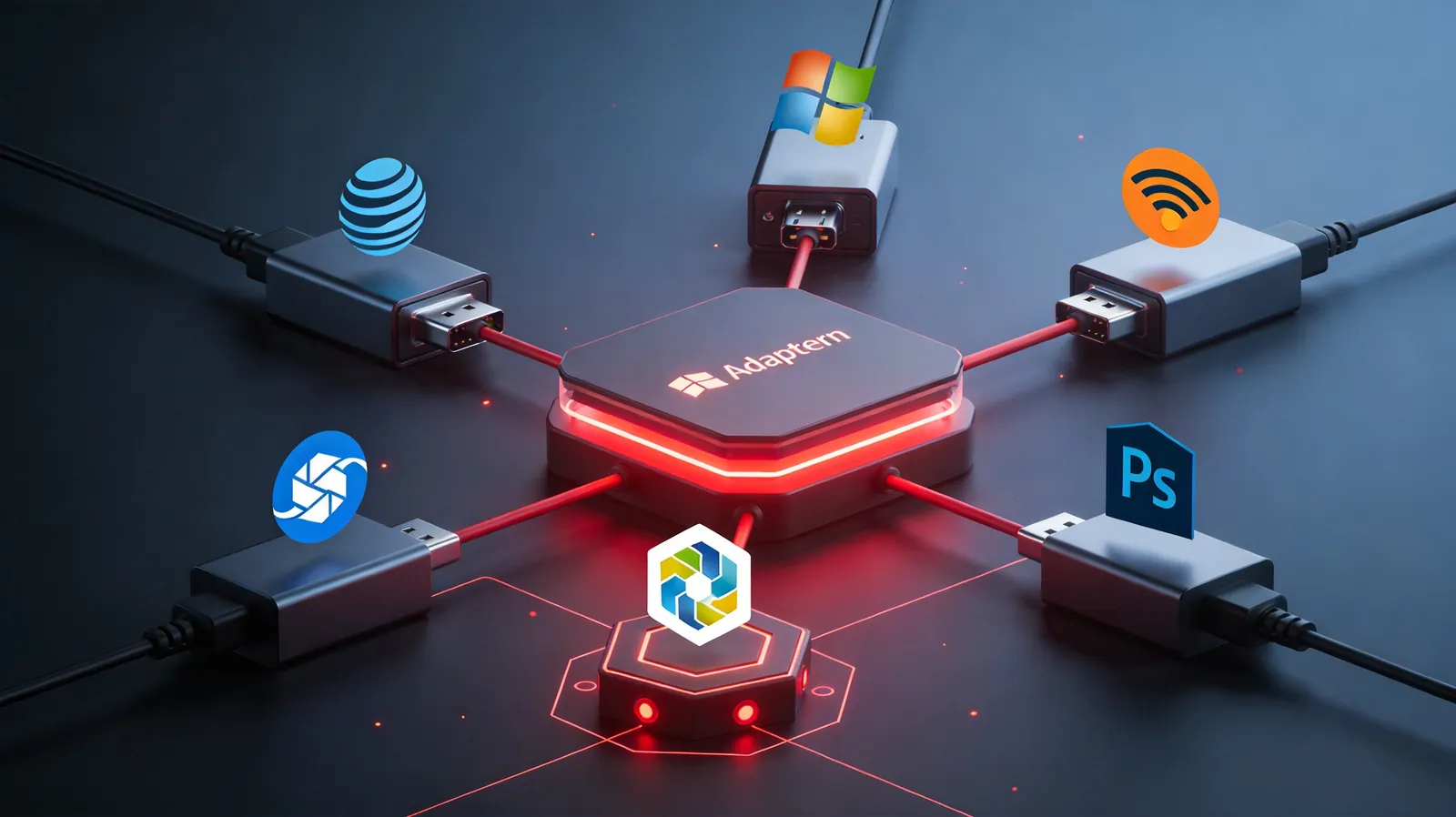
The MXC (Multi-eXecution Context) framework refactoring changed everything. MXC's core design principle is decoupling the Agent runtime from the underlying operating system. By introducing an abstract Execution Context layer, Agent scheduling, communication, persistence, and security policies no longer directly call system APIs but interact with the OS through MXC-defined unified interfaces. Each platform only needs to implement its own Context Adapter to seamlessly join the OpenClaw ecosystem.
The refactoring brought three key benefits: platform extension costs plummeted (from rewriting core modules to implementing Adapter interfaces), behavioral consistency was guaranteed across platforms, and a unified security model eliminated platform-specific vulnerabilities.
2. Technical Deep Dive: More Than Just "It Runs"
Windows native support involves far more depth than simple cross-platform compilation.
The MXC Windows Context Adapter maps Agent sandbox semantics to Windows Job Object restriction policies — including CPU time slicing, memory limits, and handle inheritance. Agent priority-based preemptive scheduling on Windows utilizes Job Object CPU Rate Control combined with thread priority classes, with extensive edge case handling to ensure behavioral consistency with Linux.
Windows security is ACL-based, fundamentally different from Linux's rwx model. OpenClaw's Agent sandbox implements file system isolation via NTFS ACLs, network policy enforcement through Windows Filtering Platform, and registry protection via virtualized registry views. These are defined in MXC's unified policy language and compiled to platform-specific security primitives.
Agent state persistence on Windows replaces Linux's mmap + fdatasync with File Mapping + FlushViewOfFile, and MXC's Write-Ahead Log leverages Completion Port async I/O for throughput optimization. Benchmarks show state recovery latency within ±5% of Linux.
3. What 1.6 Billion Devices Mean — Network Effects of Agent Runtime
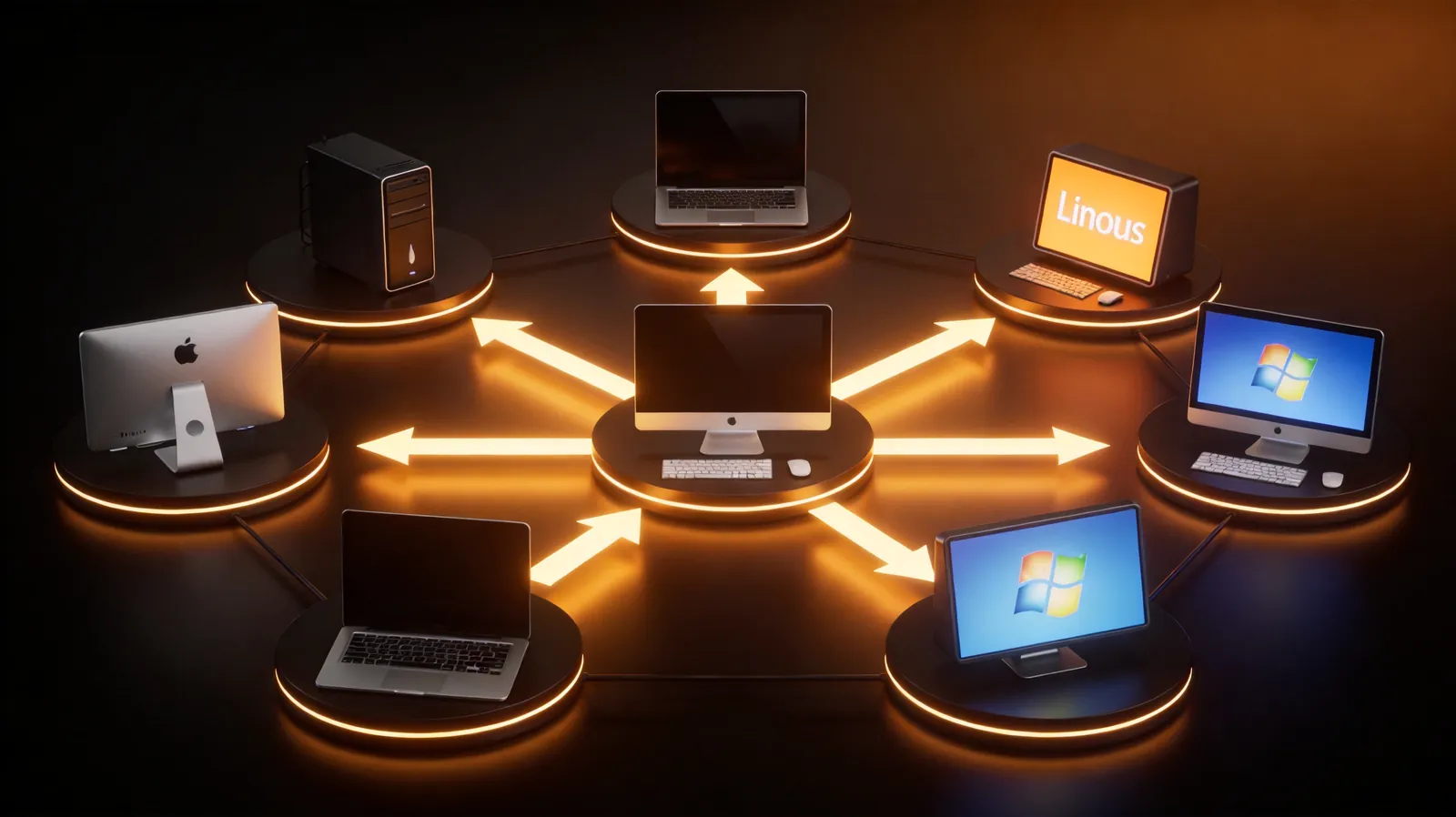
Windows occupies over 72% of the global desktop OS market share. Its addition exponentially expands the reachable device base for Agent deployment. More critically, heterogeneous Agent clusters become possible: a Mac handles creative generation, a Linux server tackles high-concurrency inference, and a Windows workstation executes RPA automation — all coordinated through MXC's unified communication protocol.
For enterprises, Windows support removes the last barrier: Agents can now directly run on business users' desktops, operating local applications while maintaining security through MXC sandboxes.
4. From Software to Hardware: The Physical Carrier for Agent Runtime
While OpenClaw solves the software layer, Agents need a stable physical carrier for 24/7 operation. The KaiheAiBox A1 (¥999, RK3576 8-core, 6 TOPS, 4GB RAM, 64GB eMMC) runs Linux natively compatible with OpenClaw, consuming only as much power as an energy-saving lightbulb. It's not occupying your work PC, not worrying about shutdowns — a dedicated device making Agents truly tireless digital workers.
KaiAIBox | Agentaibox that lets AI work for you 24/7 · OpenClaw Zone