From "Following Orders" to "Understanding Physics": How PuduFM 1.0 Gave Robots Common Sense
📖 Glossary
AI Box (also known as Agent Computer / Agent PC), is a dedicated local hardware device that runs AI Agents. Pre-installed with an AI agent management system, plug-and-play, running 24/7. Users can remotely command AI to work via Discord, Slack, Telegram, WhatsApp, and more.
Summary: In May 2026, Pudu Robotics released two major embodied intelligence products: the PuduFM 1.0 foundation model and the PuduAgent platform. This isn't another "AI is amazing" press release — it's a technical dissection of how robots are crossing the chasm from mechanical execution to physical cognition. PuduFM 1.0's three core dimensions — 3D spatial reasoning, physical behavior prediction, and real-world self-evolution — address a problem the industry has long ignored: robots lack not computing power, but "common sense" about the physical world.
1. The "Common Sense Dilemma": Why Robots Spill Water
A three-year-old knows that tilting a cup 45 degrees will spill water. Until 2026, the vast majority of commercial robots did not.
This isn't because robots are stupid — their computing power far exceeds humans. The problem lies in the traditional "perceive-plan-execute" pipeline: camera detects object → algorithm classifies category → pre-programmed routine executes action. There's no "physical intuition" in this pipeline — robots don't understand gravity, inertia, collisions, or fluid dynamics. They simply execute a fixed sequence: "locate cup → grip → move → release."
PuduFM 1.0's core breakthrough addresses precisely this "common sense dilemma." It introduces the Physical Intuition Model (PIM), enabling robots to make forward-looking predictions about physical behavior — "If I do this, what will happen physically?"
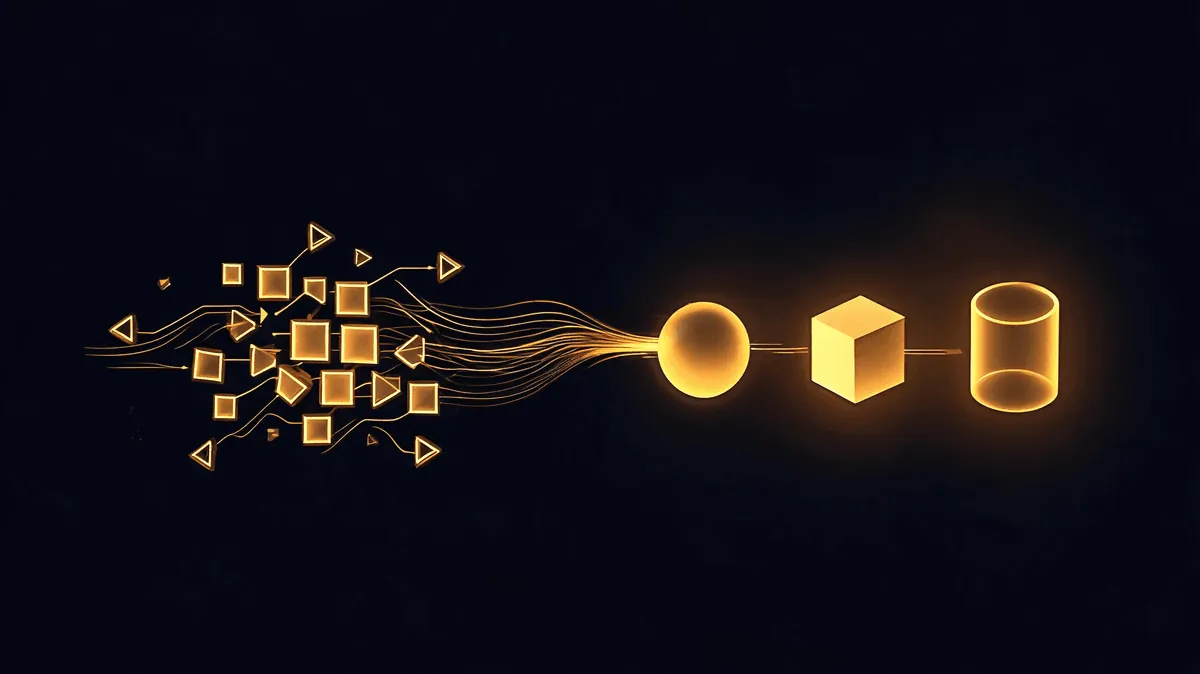
2. PIM + VLA: The Architecture That Gives Robots "Physical Understanding"
PuduFM 1.0's architecture is not a simple large-model wrapper — it's a deep coupling of PIM and VLA (Vision-Language-Action).
PIM handles "understanding physics." Trained on massive physical simulation and real-world interaction data, it learns implicit representations of physical laws — not through explicit formulas (F=ma), but through intuitive understanding, like a human: "tilting a cup spills water," "stopping a heavy object suddenly causes forward tilt." PIM outputs two types of information: physical intuition features (assessment of the current scene's physical state) and value assessment (physical risk/benefit of a particular action).
VLA handles "perception and control." It integrates vision, language, and action modalities in a unified feature space for alignment — when a user says "bring me the coffee," VLA simultaneously understands the voice command, visually locates the coffee cup, and plans the grasp trajectory.
The two collaborate as follows: VLA plans an action → PIM predicts physical consequences → if consequences are bad (water will spill), VLA replans. This "imagine-verify" loop dramatically improves operational reliability.
3. The Data Flywheel: 130,000 Deployed Devices
PuduFM 1.0's most underrated advantage isn't the model itself — it's the massive real-world scene data accumulated by Pudu's 130,000 deployed devices worldwide.
There's a consensus in the large model field: data determines the model's ceiling; algorithms merely approach that ceiling. In embodied intelligence, this law is even more brutal — physical world data cannot be scraped from the internet; it must be accumulated by real robots in real scenarios.
Pudu's "data flywheel" path: 130,000 commercial service robots operate daily → accumulate massive real interaction data (including failure cases) → data trains the model → model improves robot performance → better performance drives more deployments → more deployments bring more data.
Meanwhile, PuduFM 1.0 adopts a "one brain, many forms" architecture — the same model drives delivery robots, cleaning robots, industrial robots, and even the humanoid PUDU D7. This means data from different robot categories can be cross-domain reused, further accelerating the data flywheel.
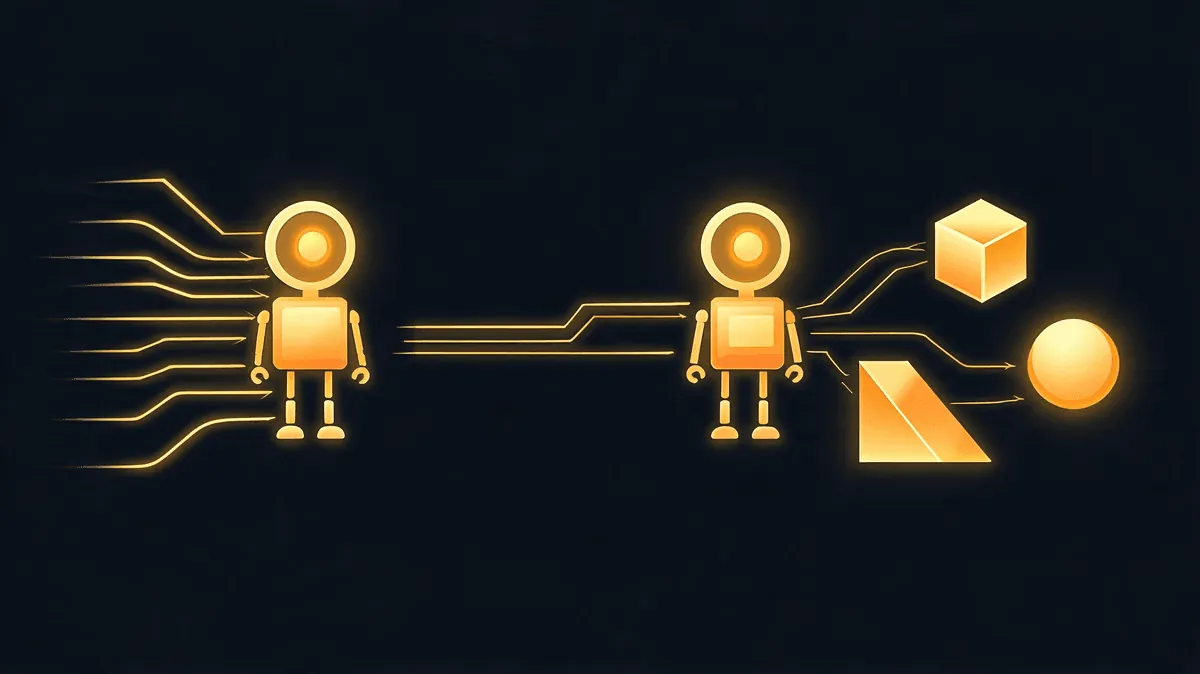
4. From Foundation Model to Agent: PuduAgent's "OS + Skills + Safety"
Released on May 12, PuduAgent is the "operating system layer" for PuduFM 1.0 — solving not "whether robots understand physics" but "how robots organize their capabilities."
Traditional robot systems have capabilities that are "hard-coded" — each function corresponds to a fixed code segment. Changing a function requires recompilation and redeployment. PuduAgent adopts a three-layer "OS + Skills + Safety" architecture, decomposing robot capabilities into standardized "atomic skills" (Skills), similar to smartphone apps.
This means: adding a "hotel room delivery" skill doesn't require developing an entire new system — just write and deploy a Skill. This model dramatically reduces the development barrier and cycle time for robot applications.
The Agent Computer parallel: If PuduAgent is the "operating system" for physical-world robots, then OpenClaw is the "operating system" for digital-world Agents — both use Skill-based architectures to lower development barriers and enable rapid capability expansion. KaiheAiBox's Agent Computer comes pre-installed with OpenClaw, running digital-world Agents 24/7; PuduAgent drives physical-world robot Agents. The two converge on the same "Agent Operating System" philosophy through different paths.
5. PUDU D7: When Physical Cognition Meets Humanoid Form
On June 1, 2026, Pudu released the PUDU D7 — a new industrial-grade humanoid robot based on PuduFM 1.0. With 14kg payload capacity, 2-meter operating height, dual-arm micro-force control, millimeter-level force adjustment, and high-precision tactile sensing, the D7 targets factory manufacturing scenarios: material handling, shelf picking, precision assembly.
The D7's significance isn't its hardware specs — it's the demonstration that PuduFM 1.0's "physical cognition" can scale to humanoid form factors. The same model that prevents a delivery robot from spilling soup can guide a humanoid's dual-arm coordination in an assembly task.
This is the "one brain, many forms" promise made concrete: one foundation model, multiple physical embodiments, unified capability evolution.
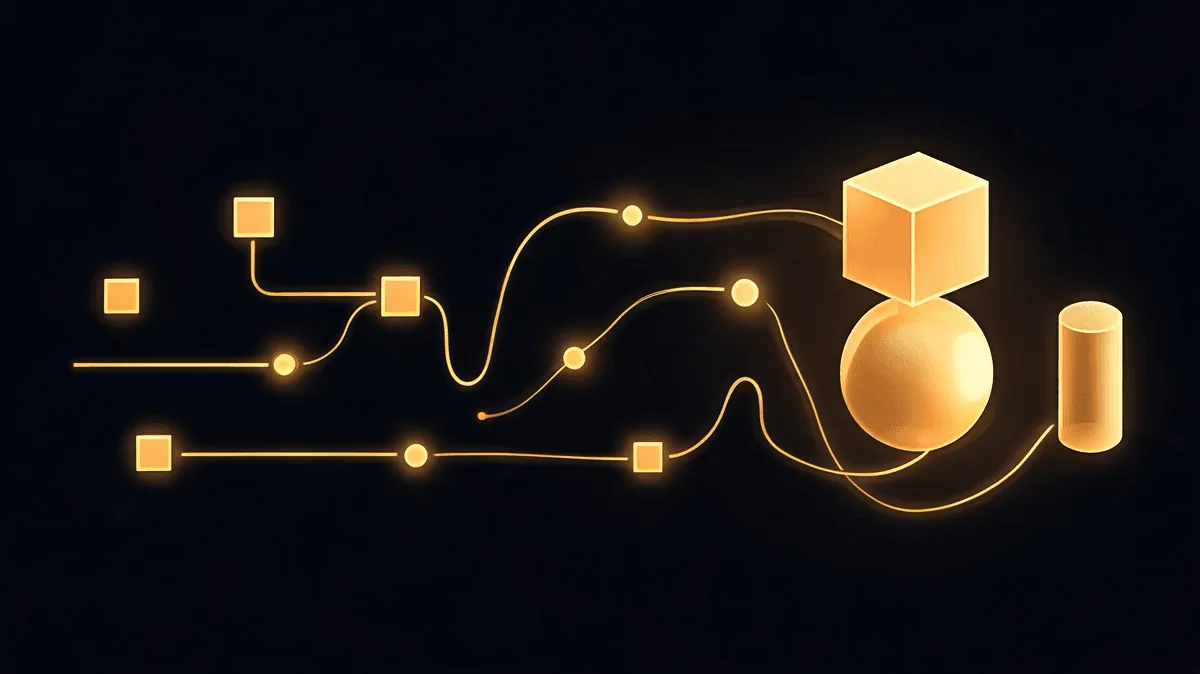
6. What Embodied Intelligence Means for Agent Computing
The trajectory from PuduFM 1.0 to PuduAgent to PUDU D7 reveals a pattern that mirrors the evolution of digital AI Agents:
Phase 1: Foundation capability. A large model provides core understanding (physical intuition for robots, language reasoning for digital Agents).
Phase 2: Agent platform. An operating system layer organizes capabilities into composable skills (PuduAgent's Skills, OpenClaw's Skills).
Phase 3: Dedicated hardware. Purpose-built hardware runs the Agent continuously (PUDU D7 for physical robots, KaiheAiBox for digital Agents).
The parallel is not coincidental — it reflects a fundamental principle of intelligent systems: capable Agents need dedicated infrastructure, whether physical or digital. A robot that pauses to boot up when you need it is as useless as an AI Agent that only works when your laptop is open.
Key insight: A robot doesn't need more computing power to carry a cup of coffee well — it needs the physical common sense that "tilting a cup spills water." PuduFM 1.0 is about giving robots common sense.
KaiheAiBox| Agentaibox that lets AI work for you 24/7· AI Frontier