WeChat Launches AI Agent Circle: JD.com and Meituan Connect to Tencent Yuanbao, the AI Agent Ecosystem Iron Triangle Takes Shape
📖 Glossary
AI Box (also known as Agent Computer / Agent PC), is a dedicated local hardware device that runs AI Agents. Pre-installed with an AI agent management system, plug-and-play, running 24/7. Users can remotely command AI to work via Discord, Slack, Telegram, WhatsApp, and more.
Abstract: WeChat opened AI ecosystem access to developers. JD.com as the first beta partner and Meituan Xiaomei AI Agent deeply integrate with Tencent Yuanbao. Analyzing the competitive landscape of Tencent vs Alibaba vs ByteDance in the AI Agent ecosystem, and how AI Agents evolve from standalone tools to platform ecosystems.
You open WeChat, chatting with a friend, and casually type in the conversation: "Order me an American coffee, deliver to the office."
A few seconds later, Meituan Xiaomei AI Agent completes the order automatically within WeChat, sending you a pickup code and estimated delivery time.
This isn't the future. This is now.
What Happened
WeChat opened AI ecosystem access to developers. Essentially, WeChat's AI (Tencent Yuanbao) can "wake up" third-party AI Agents to get things done within WeChat.
Three players:
Tencent Yuanbao — WeChat's AI brain. Understands your requests, dispatches third-party Agents to execute.
JD.com AI — Among the first beta merchants. Ask Yuanbao "check where my phone delivery is," and it wakes up JD Agent to return logistics info.
Meituan Xiaomei — Also in the first batch. Ask Yuanbao "book a restaurant for lunch tomorrow," and it wakes up Meituan Agent to recommend, inquire about preferences, and complete the reservation.
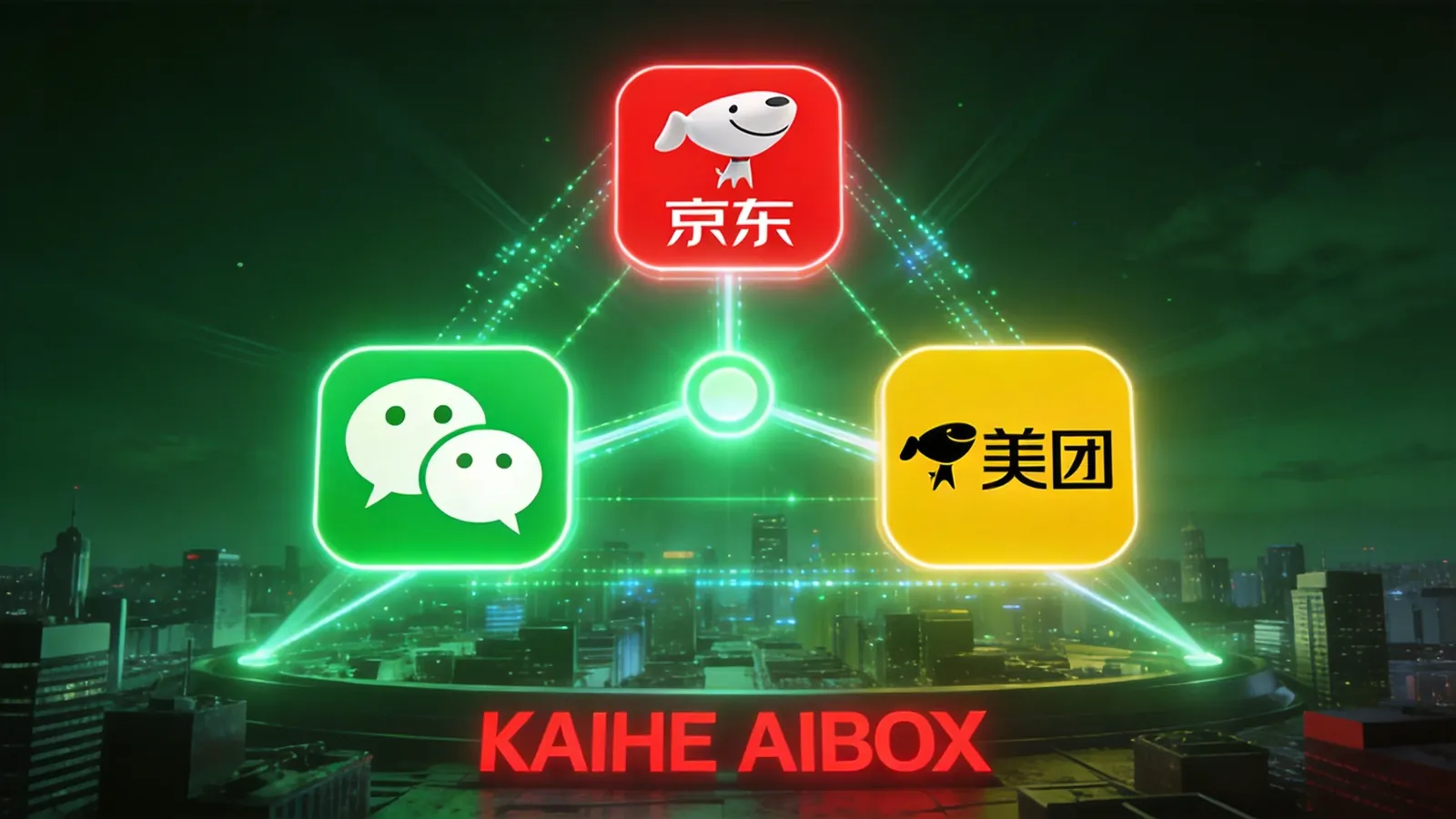
The AI Agent Iron Triangle
These three form a clear ecosystem model:
- Platform (Tencent/WeChat) — user entry point, 1 billion DAU, social graph
- Service providers (JD/Meituan) — vertical capabilities: e-commerce, local services, transportation, finance
- Users — initiate requests within WeChat, complete services within WeChat
Users never open another app. Everything happens inside the WeChat conversation.
This is the "Agent Circle" — your Agent can access other Agents, collaborating to complete a task.
What's Different from WeChat Mini Programs
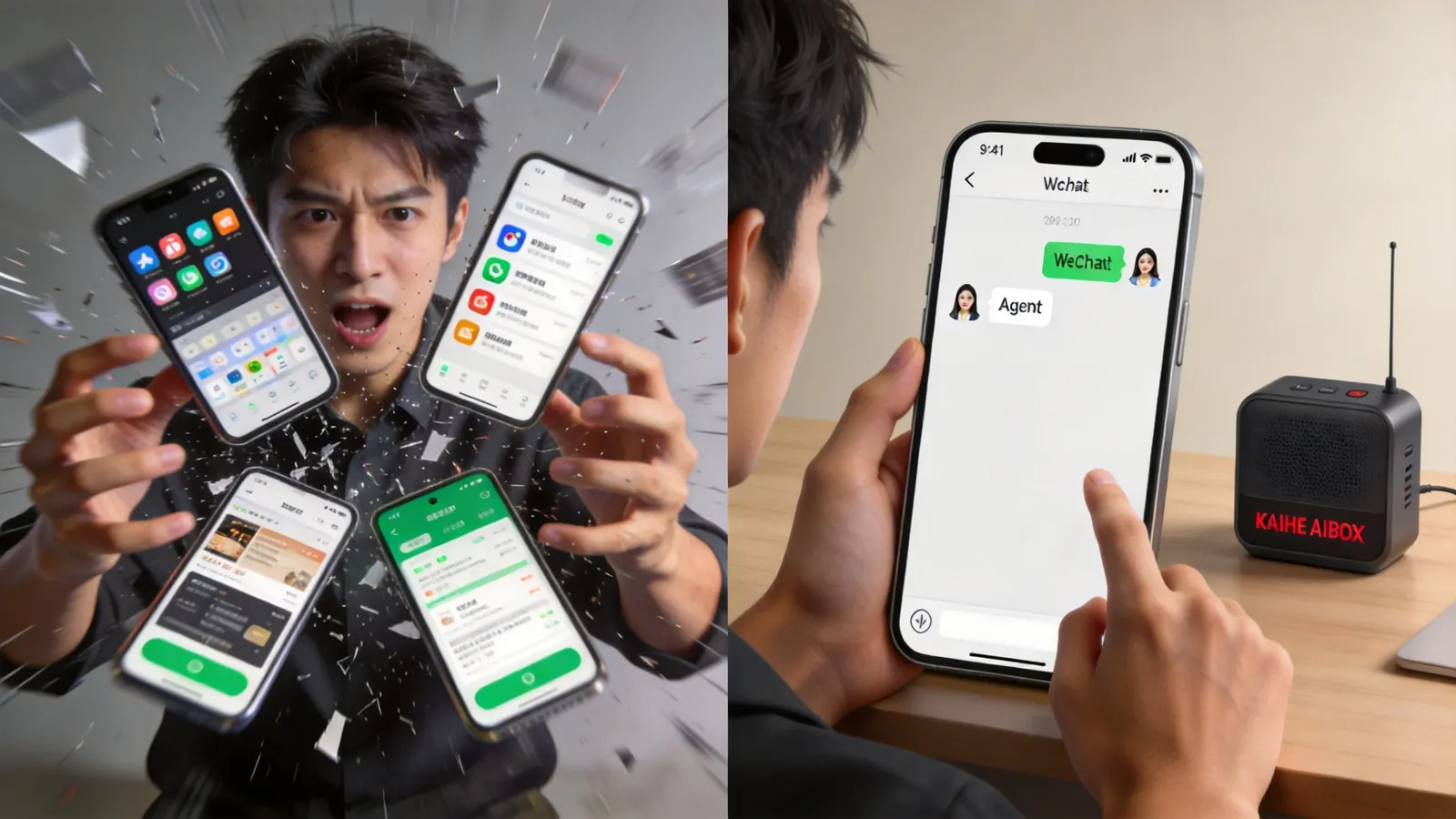
Mini programs require you to actively open and use them. You remember "I want coffee," open the mini program yourself, search, and order.
With Agents, you just talk. Tell Yuanbao "order coffee," it understands, wakes up Meituan Agent, and automatically handles the rest.
- Mini programs: humans find services
- Agents: services find humans
This is a fundamental shift in product logic.
Tencent vs Alibaba vs ByteDance: The Agent Ecosystem War
Tencent's approach: social as foundation, frictionless touch
Core advantage is WeChat. Doing "micro-innovation" — atomic Agent capabilities, letting third-party developers offer vertical services within WeChat. Standards: 1. Users never leave WeChat (retention) 2. Service providers get traffic (attraction) 3. Agents collaborate seamlessly (experience)
Alibaba's approach: business closed-loop, B-end driven
Alibaba Cloud Bailian platform takes the B-end route, providing enterprises with Agent-building tools. Core scenarios are e-commerce + finance. Agents help merchants run stores, manage customer service, analyze data. Doesn't chase C-end entry points — pursues business efficiency.
ByteDance's approach: content as king, creation-driven
Doubao + Coze targets creators and developers. Agents help write articles, edit videos, run livestreams. ByteDance's Agent ecosystem revolves around content creation.
Positioning summary: - Tencent: get things done while chatting - Alibaba: AI reduces costs when doing business - ByteDance: AI produces output when creating content
Three different paths, and they don't conflict. But Tencent has the best chance of reaching ordinary users — because you open WeChat every day.
The Place for Personal Agents
Platform-level Agent ecosystems are heating up. But there's one question: where do these Agents run?
WeChat's Yuanbao runs on Tencent's cloud. JD and Meituan Agents run on their own servers. When your request involves private data (checking bank balance, processing personal files, handling sensitive information), are you comfortable with all that data flowing through the cloud?
This is where local Agents find their space.
AI Box (also known as Agent Computer or AI Box) is a dedicated local hardware device that runs AI Agents, pre-installed with an AI agent management system, plug-and-play, running 24/7. Kaihe AIBOX runs your own local Agent — data never leaves your network, privacy is controlled. At the same time, local Agents can connect to WeChat's Agent ecosystem via API, calling cloud services when needed while keeping private data local.
Platform Agents solve "convenience." Local Agents solve "security." They complement each other, not replace.
Want to Go Deeper?
- Kaihe AIBOX Official Website (agentaibox.com) — local Agent, your data under your control
- "Hermes Agent v0.12.0 Architecture Revolution: Kanban Multi-Agent Collaboration" — how multi-agent works
- "2026: The Year of AI Agents — From Chatbots to Digital Workers" — big picture
-#KaiheAIBOX #AIAgent #AITool #AIBOX
Kaihe AIBOX | The Agent Computer That Works 7×24 for You · AI Agent