Why Can't Regular People Use AI? It's Not That AI Is Hard — This Path Was Built for Programmers
📖 Glossary
AI Box (also known as Agent Computer / Agent PC), is a dedicated local hardware device that runs AI Agents. Pre-installed with an AI agent management system, plug-and-play, running 24/7. Users can remotely command AI to work via Discord, Slack, Telegram, WhatsApp, and more.
Abstract: Deploying AI starts with command lines, API Keys, environment variables, port numbers... These barriers aren't AI's fault — the entire toolchain is designed by programmers for programmers. Regular people can't even find the entrance.
AI has exploded over the last two years. Lots of friends ask me: how do I actually use AI?
I always ask back: have you installed AI yet?
Nine out of ten shake their heads. The one who says yes follows up with: "I installed it, but I don't know how to use it."
That's not their problem. Regular people think "what do I want?" — I want to write copy, make an image, process things on my phone. Programmers think "is your environment configured?" — install Python, set up pip, get an API Key, run the command line, debug the errors.
This is a road built for programmers. Regular people can't even find the entrance.
Three Gates Blocking the Way
Gate 1: The Command Line. Most people will never voluntarily open a terminal. But deploying AI starts with typing commands in a terminal. Many have to Google what "cd" means. They're not stupid — they just don't use this tool.
Gate 2: Environment Configuration. Python versions, package managers, virtual environments, dependency conflicts — basics for developers, ancient Greek for everyone else. By the time someone figures out pip and why installed dependencies don't match the tutorial, 70% have given up.
Gate 3: API Keys. Finally got it installed. Next step — "Enter your API Key." Regular people: "What key? Where do I get one? Is it free?" Registering an account, adding payment info (some require foreign credit cards), waiting for approval — you've spent an afternoon on paperwork before even touching AI.
Each gate is trivial for a programmer. Stack all three together, and regular people get stuck every time.
The Real Problem Is "Who Was It Designed For"
Today's AI ecosystem is fundamentally a developer ecosystem. The toolchains, documentation, tutorials — all assume a technically literate audience. That makes sense because the first wave of AI users were developers.
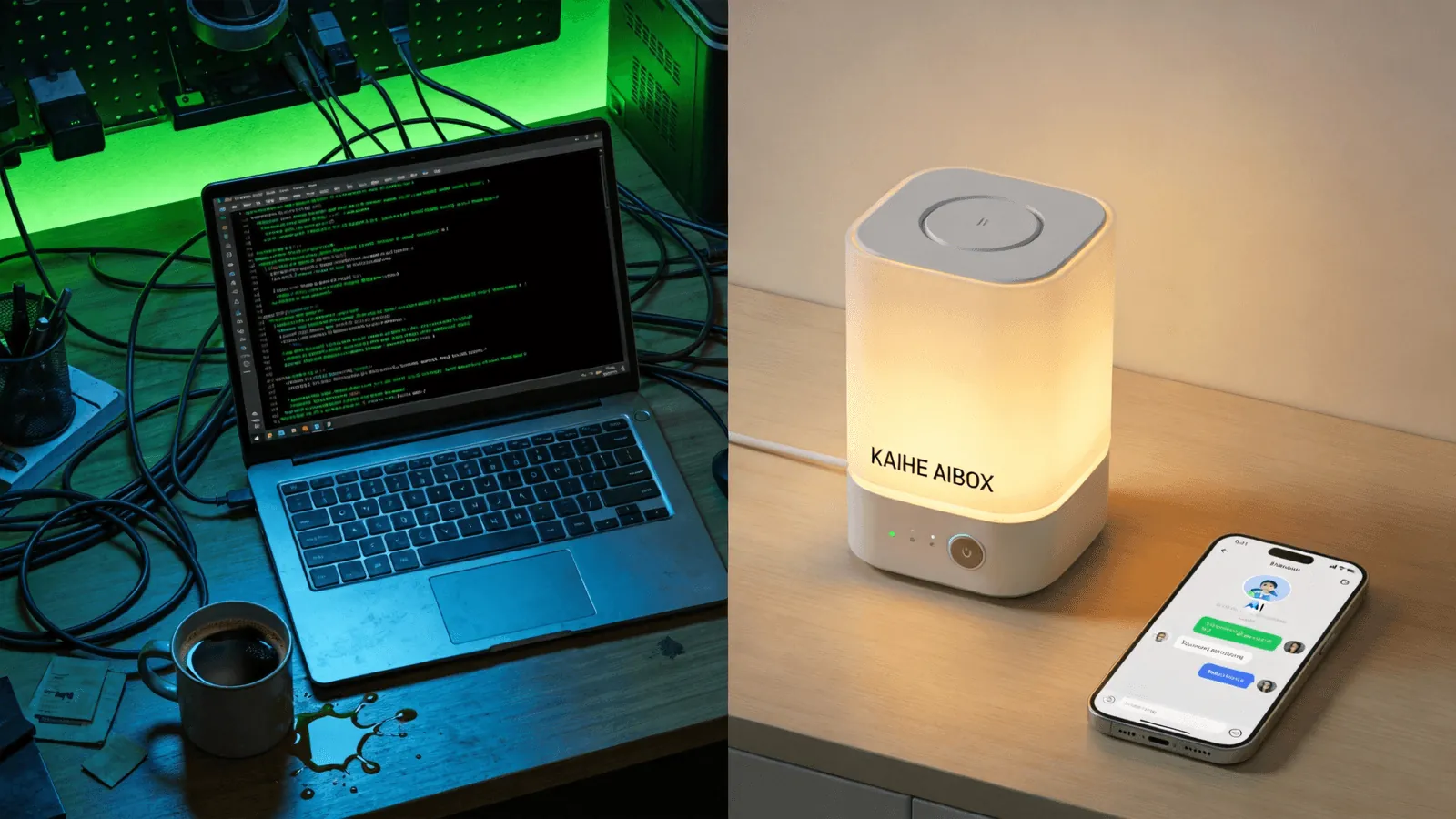
But AI is breaking out now. Recipe AI, tutoring AI, customer service AI, personal assistant AI — the users of these applications should never have to touch a command line.
There's a strange paradox in the AI industry: building things meant to "serve humans" while first requiring humans to "serve computers."
AI Box Did Something Different
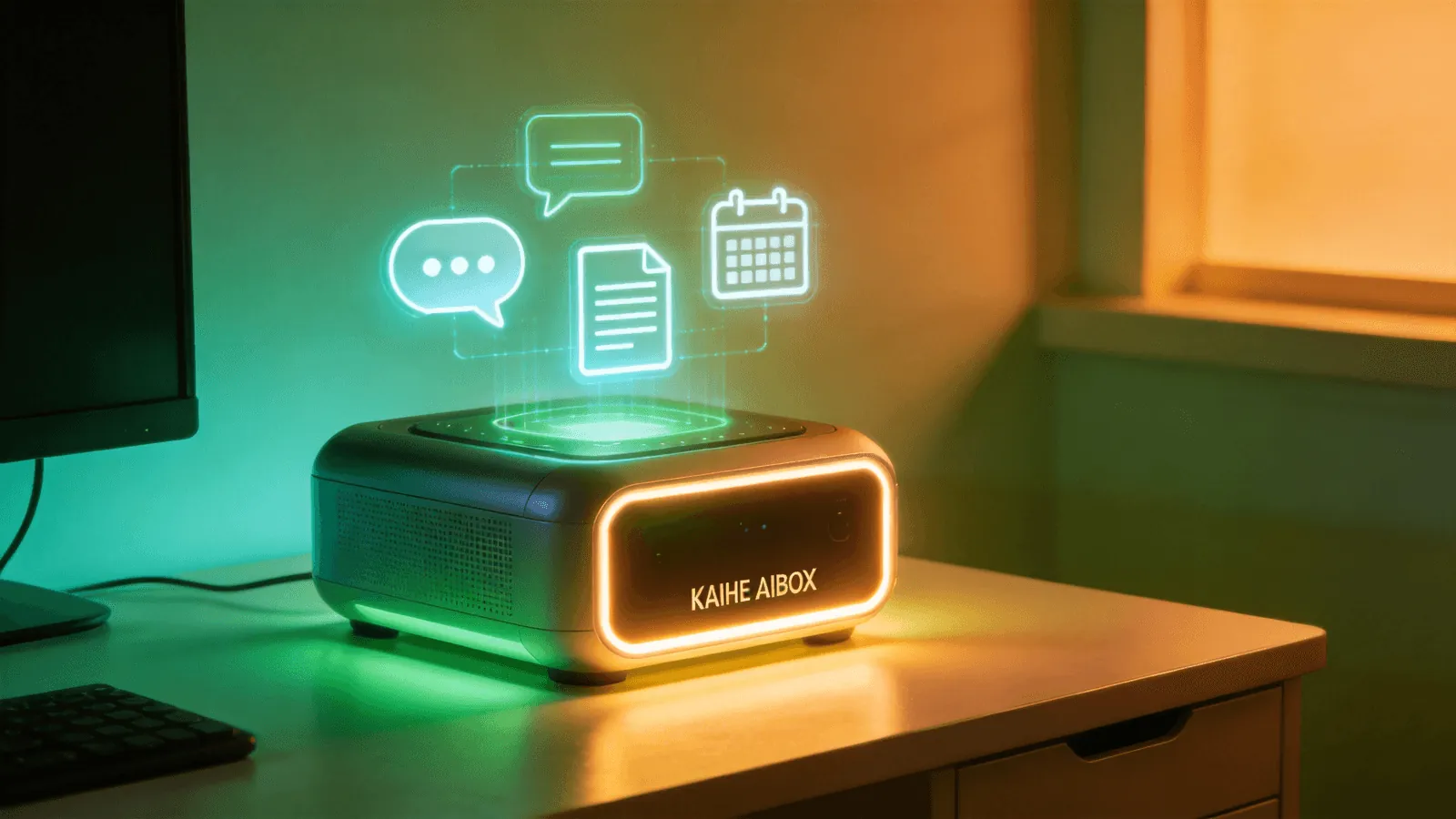
Kaihe AIBOX took a simple approach: make deploying AI feel like buying a phone, not building a computer.
When you buy a phone, nobody writes "install Android SDK first" in the manual. You turn it on and it works. That's product logic for real people.
AI Box works the same way — it comes pre-installed with OpenClaw and Hermes. Plug it in, boot up, and 5 minutes later your first AI assistant is running. Image generation, copywriting, email management, scheduled tasks — all ready to use out of the box. No command line required. Control it through Discord, Slack, or Telegram, as naturally as chatting with a friend.
So back to the original question: why can't regular people use AI?
It's not that AI is inherently hard — it's that the entrance was designed for programmers.
If you want to use AI but don't want to wrestle with environments, try a different entrance — a plug-and-play AI Box might be more useful than three days of frustration.
-#KaiheAIBOX #AIAgent #OpenSource #ArtificialIntelligence #AITutorial #AIBox #DeploymentBarrier
Kaihe AIBOX | The Agent Computer That Works 7×24 for You · AI Agent